






The Rise of the Smart Inbox
The sheer volume of daily emails is a major drain on productivity. One study found that professionals can spend nearly 19 hours a week on work-related writing, including managing emails. This constant inbox management is like a part-time job, forcing
you to manually sift through hundreds of messages to find what truly matters. AI email assistants are emerging as a powerful solution to this problem. These tools integrate with platforms like Gmail and Outlook, acting as an intelligent filter that works silently in the background. They are designed to understand, organize, and prioritize your emails, transforming your inbox from a cluttered junk drawer into a streamlined to-do list.
Sorting Signal from the Noise
One of the core functions of an AI assistant is automated categorization. Instead of you setting up complex manual rules and folders, the AI learns to do it for you. Using machine learning, it analyzes incoming messages and sorts them into logical buckets. Newsletters, promotional materials, and automated notifications are separated from direct, important correspondence. Some advanced tools even allow for 'split inboxes,' creating separate, custom views for different types of mail so that high-priority communications get immediate attention. The AI learns from your habits, so over time, it becomes better at predicting what you would do with a certain type of message, whether it's archiving a receipt or filing away a project update.
Auto-Flagging Critical Client Messages
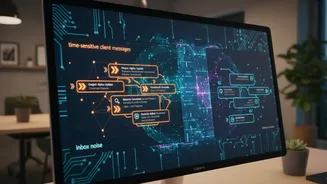
For any business, responsiveness to clients is paramount. AI assistants excel at identifying time-sensitive client messages that require immediate attention. They do this by going far beyond simple keyword searching. The technology analyzes the content and context of the message to determine its true urgency. For example, the AI can detect a direct request from a key client, identify language that suggests frustration or escalation, or spot an impending deadline mentioned in the text. It can then automatically flag these messages as high-priority, moving them to the top of your inbox or even sending you a separate notification. This ensures that the most crucial communications from important contacts are never buried under a pile of less important mail.
The Technology Behind the Magic
The 'magic' behind these assistants is a technology called Natural Language Processing (NLP). NLP is a branch of AI that gives computers the ability to read, understand, and interpret human language. When an email arrives, NLP models analyze everything from the sender's importance to the emotional tone of the text. The system can determine intent—is this a simple question, a sales inquiry, or a formal complaint? It also performs sentiment analysis to gauge if the sender is happy, neutral, or upset. By combining these factors with your past behavior (which emails you open first, which you reply to quickly), the AI makes highly accurate predictions about an email's importance.
More Than Just a Tidy Inbox
The ultimate benefit of an AI email assistant isn't just a clean inbox; it's recaptured time and reduced mental load. By automating the repetitive, low-value work of sorting and prioritizing, these tools free up hours each week for professionals to focus on strategic tasks that actually drive business forward. It reduces the constant pressure of needing to monitor your inbox, knowing that anything truly urgent will be brought to your attention. For businesses, this translates into faster response times to critical opportunities and threats, better client relationships, and a more productive and focused workforce. As the technology evolves, these assistants are becoming less of a convenience and more of a necessity for efficient and intelligent communication.