






Why New Labels Now?
The push for new, clearer food labels comes at a critical time. India is facing a growing challenge with lifestyle diseases like diabetes, obesity, and heart conditions. A major contributing factor is the increasing consumption of packaged and processed
foods that are high in fat, sugar, and salt (often called HFSS foods). The Food Safety and Standards Authority of India (FSSAI) has introduced these new labels to help consumers quickly understand the nutritional value of what they're buying. The goal is to empower you to make healthier choices at a glance, without needing to be a nutrition expert.
From Stars to Warnings: The Big Shift
For years, there was discussion about a star-rating system, similar to what's seen on electronics. However, after extensive debate and intervention from the Supreme Court, FSSAI has shifted its approach. Instead of a health star rating, the regulator has proposed mandatory front-of-pack warning labels for foods that exceed certain thresholds for added sugar, salt, and fat. This move aligns India with countries like Chile, which have successfully used warning labels to influence consumer behaviour and encourage healthier eating habits. The Supreme Court has been actively pushing for a swift and effective rollout, highlighting the urgency of this public health matter.
Decoding the Red Hexagon
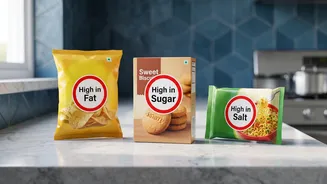
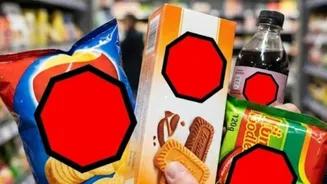
The new warning system is designed for simplicity. It features a red hexagon placed on a white square background, prominently displayed on the top left of the package. Inside this hexagon, you'll see text like "HIGH SUGAR," "HIGH SALT," or "HIGH FAT." If a product is high in more than one of these nutrients, a single hexagon will list all of them. The idea is that this clear, unmissable symbol acts as a quick alert. Seeing the red hexagon should prompt you to take a closer look at the nutritional panel on the back if you're concerned about your intake of these specific nutrients.
What 'High In' Actually Means
So, what qualifies as 'high'? FSSAI has proposed that the thresholds for added sugar, added fat, and salt will be based on the 2024 Dietary Guidelines for Indians, developed by the ICMR-NIN. One of the key debates has been whether to measure 'total' sugar or 'added' sugar. FSSAI has argued for focusing on 'added' sugar, as naturally occurring sugars in milk or fruit come with other nutrients. This means a fruit juice without added sugar might not get a warning, but a soft drink will. Likewise, the warning will specify 'added fat' rather than all fat. Products containing non-caloric sweeteners will also have to display a warning on the front of the pack.
Which Foods Get a Label?
These new warning labels will apply to a wide range of packaged foods and drinks. However, there are some exemptions. Basic, single-ingredient commodities like fresh fruits and vegetables, milk, eggs, flour, vegetable oil, and pure honey won't carry these labels. The focus is squarely on processed and packaged items where fat, sugar, and salt are often added in high quantities. The rules are intended to cover everything from biscuits and chips to breakfast cereals and sugary beverages. After the final regulations are notified, food companies will be given a one-year transition period to update their packaging.
Beyond the Warning: Your Shopping Strategy
The new red hexagon is a powerful tool, but it's just the start. To be a truly informed shopper, it’s still wise to read the full ingredient list and the nutritional information panel on the back of the pack. Remember that ingredients are listed in descending order by weight, so the first few ingredients make up most of the product. Look for hidden sugars under names like glucose syrup, dextrose, or maltodextrin. The new front-of-pack label is your first alert system, but combining it with a quick scan of the back label gives you the complete picture of what you're eating.