





The Reusability Revolution
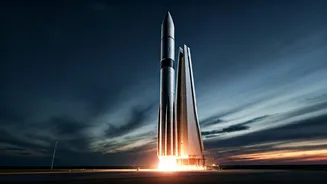
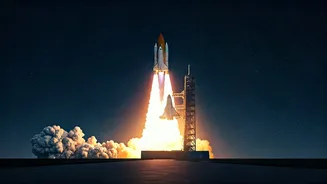
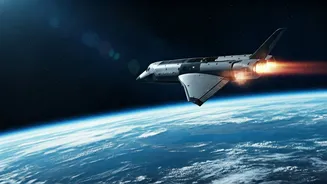
The single most important driver behind the current momentum is the dramatic drop in launch costs, a change pioneered and dominated by SpaceX. Reusable rockets, particularly the Falcon 9, have slashed the price of sending a kilogram into orbit by around
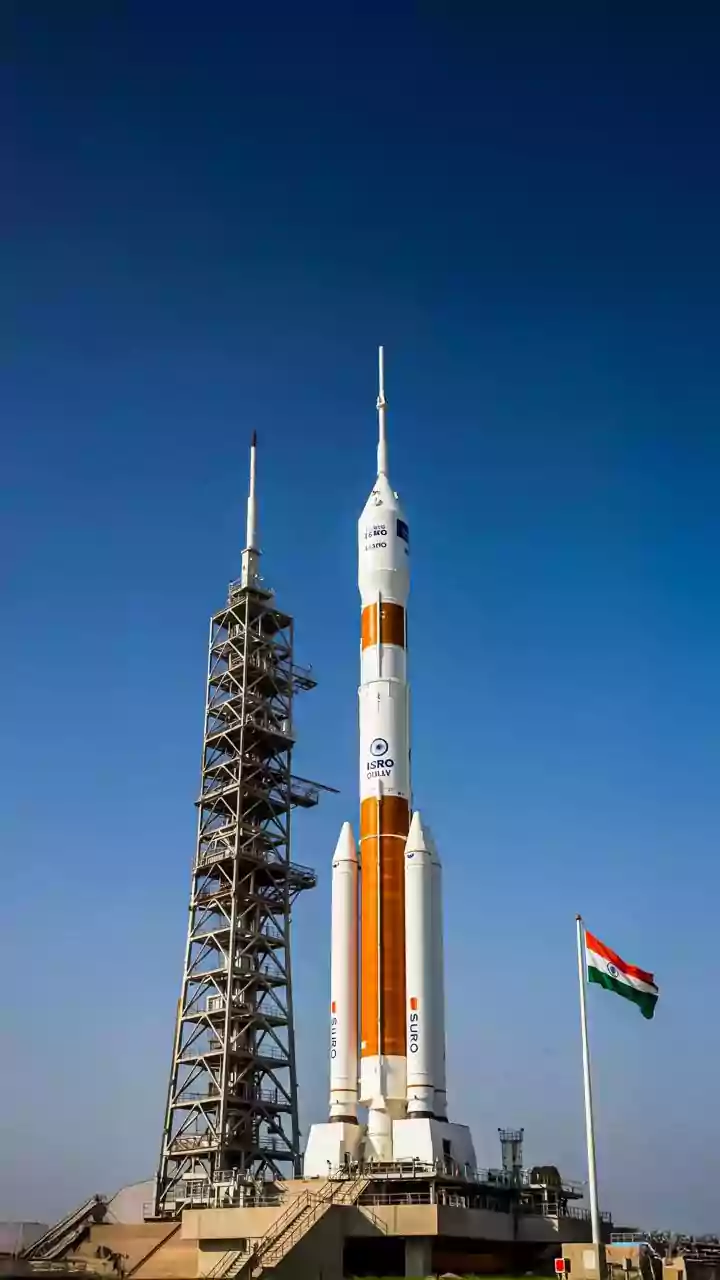
90% compared to the Space Shuttle era. This isn't just an incremental improvement; it's a fundamental economic shift that makes new business models viable. The relentless launch cadence of SpaceX, which now has more satellites in orbit than all other organizations in history combined, showcases this new reality. On June 23, 2026, the company demonstrated this tempo by launching a new demonstration capsule called 'Starfall', designed for returning goods from orbit. Meanwhile, competitors like Blue Origin are working to catch up with their own reusable heavy-lift rocket, New Glenn. This competitive pressure to reuse and reduce costs is the engine powering the entire commercial space boom.
The LEO Gold Rush: Mega-Constellations
With cheaper access to space, companies are now racing to build vast networks of satellites in low Earth orbit (LEO). These mega-constellations are rewriting the rules for everything from global internet access to Earth observation. SpaceX's Starlink is the clear leader, with over 10,000 active satellites providing broadband to millions. But a new wave of competition is heating up. Amazon's Project Kuiper (now Amazon Leo) began deploying its constellation in 2026 and plans to have 700 satellites in orbit by the middle of the year. These constellations are creating a virtuous cycle, driving demand for more launches and fueling a shift in manufacturing from bespoke satellites to high-volume production lines. The result is an emerging infrastructure layer for the global economy, touching everything from telecoms and agriculture to defence.
Human Spaceflight for Hire
For decades, sending humans to space was the exclusive domain of government agencies. Now, it's a commercial service. NASA's Commercial Crew Program relies on private companies to ferry its astronauts to the International Space Station (ISS). While SpaceX's Crew Dragon has become the primary workhorse, Boeing's Starliner program has faced significant setbacks. Following an troubled crewed flight test in 2024, Starliner's next mission will be uncrewed, and a return to flight could be a year or more away as technical issues are resolved. This has solidified SpaceX's lead in the crew transport market. At the same time, the suborbital tourism market is also active, although Blue Origin announced in early 2026 that it would pause its New Shepard tourist flights for at least two years to focus on its lunar programs.
The Next Frontier: Private Space Stations
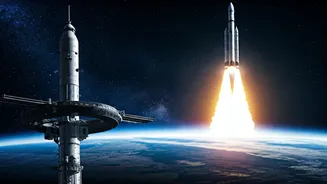
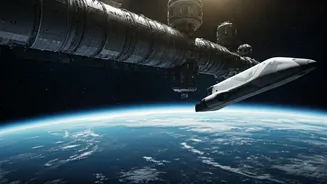
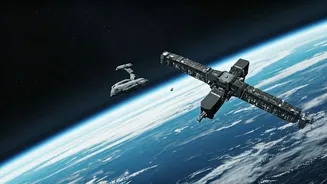
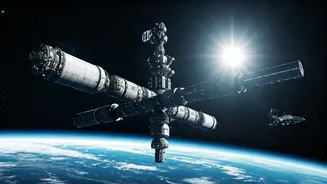
With the International Space Station scheduled for retirement around 2030, a new market is opening up for its successors: commercially owned and operated space stations. NASA is actively encouraging this transition, planning to be a customer rather than an owner of future orbital outposts. Several companies are developing concepts. Axiom Space, which has already flown private missions to the ISS, plans to attach its first module to the station as early as 2026, which will later form the core of a free-flying commercial station. Other players like Vast, Voyager Space, and Airbus are also designing their own stations. This represents a monumental shift towards a genuine orbital economy where governments are just one of many potential customers for research, manufacturing, and tourism in space.
A Broader, More Diverse Ecosystem
The momentum isn't just about the biggest names. A diverse ecosystem of companies is emerging to fill new niches. This includes firms focused on in-space servicing, assembly, and manufacturing (ISAM), which aim to repair, refuel, and upgrade satellites in orbit—a market that is finally becoming a reality. Others, like Rocket Lab, are proving their ability for responsive launch, recently launching a mission for the U.S. Space Force with less than 17 hours' notice. Investment is flowing into infrastructure, space-based data platforms, and national security applications, signaling that capital markets see durable business models, not just speculation. This broadening of the industrial base is critical for long-term, sustainable growth.