



A New Era for Space Exploration
For decades, space exploration was the exclusive domain of national governments with massive budgets. Today, that paradigm is shifting dramatically. The global space economy is rapidly commercializing, with private companies developing everything from
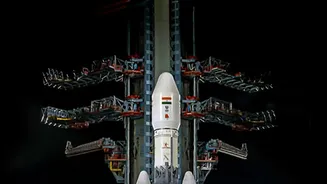
launch vehicles to satellites. India is emerging as a critical hub in this transformation. Following the historic success of its Chandrayaan missions, the Indian Space Research Organisation (ISRO) is strategically pivoting. ISRO will now focus on pioneering research and ambitious deep-space missions, while encouraging private firms to take over manufacturing and operational launches. This move has ignited a boom in the domestic space industry, which now boasts around 450 startups ready to innovate.
The Rise of the Commercial Rover
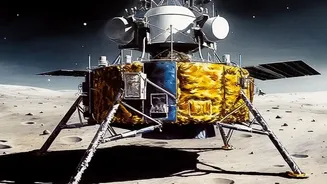
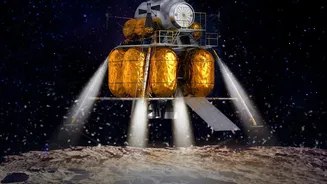
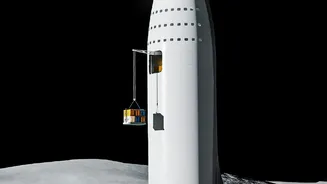
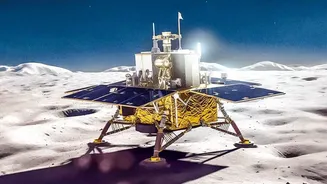
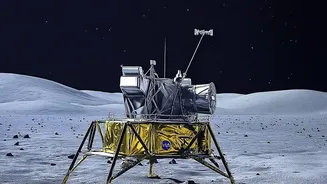
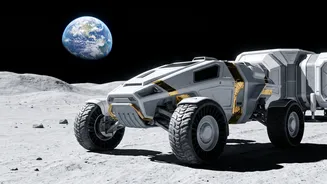
At the heart of this new commercial push is the development of low-cost robotic systems for lunar exploration. Startups are designing nimble, lightweight rovers capable of carrying scientific instruments and technology demonstrators to the Moon. These are not the multi-billion dollar rovers of past government missions. Instead, these machines are being designed for affordability and scalability. The goal is to provide frequent and cost-effective payload services to a growing market of clients, including foreign space agencies, scientific institutions, and even other private companies. By signing the Artemis Accords, India has opened the door for its private sector to participate in international collaborations, including NASA's Commercial Lunar Payload Services (CLPS) program, which contracts private companies to deliver cargo to the Moon.
How to Build a 'Low-Cost' Moon Rover
Achieving affordability without sacrificing reliability is the key challenge. Indian startups are tackling this through several innovative strategies. Many are leveraging 3D printing to manufacture complex components like engines and structural parts, which drastically reduces production time and cost. Companies like Agnikul Cosmos are pioneering single-piece 3D printed engines, aiming for flexible and on-demand launch services. Others are using commercially available off-the-shelf components, modifying them for the harsh lunar environment rather than designing everything from scratch. This approach, combined with streamlined design processes and lighter materials, allows these firms to build rovers at a fraction of the traditional cost, making lunar access more democratic than ever before.
Pioneering the Path Forward
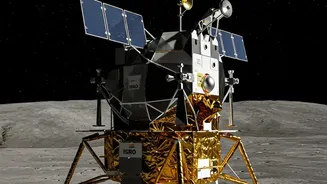
Several Indian startups are making significant strides. While the famed TeamIndus was an early contender in the private lunar race, the ecosystem has since expanded. Today, companies like ORBITBeyond are establishing facilities in India to design and build lunar landers and rovers, drawing on local engineering talent with experience from ISRO's own lunar missions. Meanwhile, launch providers like Agnikul Cosmos and Skyroot Aerospace are developing the vehicles needed to carry these payloads into space, with Agnikul recently announcing an ambitious mission to demonstrate reusable rocket technology. This integrated approach—building both the ride and the rover—is a powerful combination that strengthens India's commercial space capabilities.
Fostering an Ecosystem of Innovation
This progress is not happening in a vacuum. ISRO and the Indian government have been instrumental in creating a supportive environment. Through the Indian National Space Promotion and Authorisation Centre (IN-SPACe), startups gain access to mentorship, testing facilities, and a framework for technology transfer. ISRO has established Space Technology Incubation Centers across the country to nurture young talent and help translate innovative ideas into space-ready hardware. With significant investment flowing into the sector and a clear policy supporting private participation, India is methodically building a self-sustaining ecosystem designed to turn ambitious space research into viable global businesses.