

The Rise of the Mindful Muncher
The Indian snack market, valued at over ₹50,000 crore, is in the midst of a transformation. Driving this change is a new generation of consumers who are increasingly health-conscious, label-savvy, and influenced by global wellness trends. Factors like
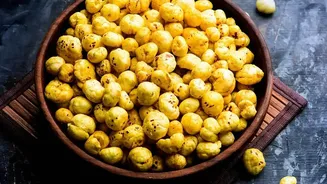
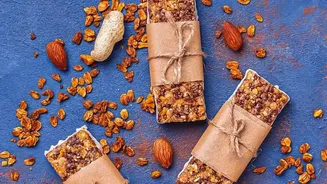
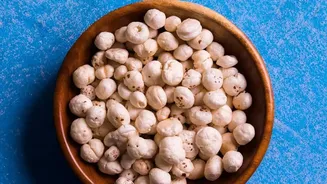
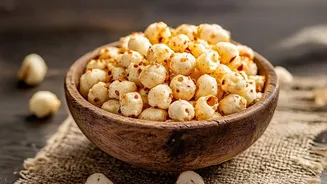
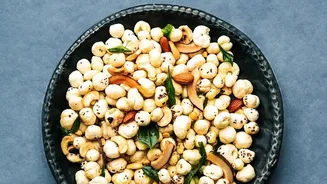
rising disposable incomes, urbanisation, and a greater awareness of lifestyle diseases are pushing shoppers to look beyond just taste and convenience. They are seeking out snacks that offer functional benefits—like protein boosts, high fibre, and sustained energy—without artificial additives. This has created a fertile ground for "new-age" snacks: think baked, not fried; millet-based instead of refined flour; and options like protein bars, roasted seeds, and makhana gaining mainstream appeal.
Startups Seize the Health Wave
Capitalising on this shift, a host of digital-first startups have entered the fray. Brands like The Whole Truth, Yoga Bar, and Slurrp Farm built their identity on transparency and clean ingredients, attracting a loyal following among millennials and Gen Z. Their products, from gluten-free cookies to energy bars with no added sugar, directly cater to the demand for 'guilt-free' indulgence. The Indian healthy snacks market is now a multi-billion dollar segment, with some forecasts predicting a compound annual growth rate (CAGR) of around 8% to 10%. This rapid expansion is not just happening in metros; the proliferation of e-commerce and quick-commerce platforms has made these brands accessible across the country, further disrupting the established order.
Traditional Titans Refuse to Crumble
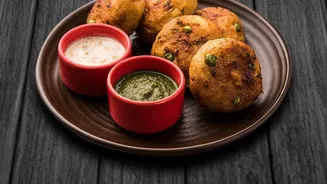
For decades, the Indian snack market has been dominated by legacy giants like Haldiram's, Bikaji, and Balaji Wafers, alongside a vast network of unorganised local vendors. While the new trend presents a clear challenge, these established players are not standing still. They are leveraging their immense distribution networks and brand trust to fight back. Haldiram's, for example, has launched healthier product lines such as 'Snac Lite' and 'Haldiram Lite', featuring baked and low-fat versions of traditional namkeens. Similarly, ITC has expanded its portfolio to include healthier options like multigrain chips. These companies understand that while a segment of the market is moving towards new-age products, the taste for traditional snacks remains incredibly resilient, accounting for a massive share of the overall market.
A Future of Flavourful Fusion
The battle is not a simple one of new versus old. Instead, the market is evolving towards a fascinating synthesis. New-age brands are incorporating classic Indian flavours into their products—like Bambaiya Chaat flavoured snack bars or cheesy jalapeno stix made from traditional grains like ragi and jowar—to appeal to the local palate. At the same time, traditional recipes are being reinvented with healthier ingredients and methods, such as using millets or baking instead of deep-frying. This trend of reinventing traditional foods like makhana and millet-based snacks as premium, on-the-go products highlights a market that is innovating from both ends.