





From Crisis to Conscious Choice
The initial wave of workations was a reaction to lockdown-induced confinement. Now, we're seeing Workation 2.0, a more intentional approach to remote work. It’s not about a temporary escape, but a sustainable way to integrate work with life and travel.
This new phase is defined by longer stays, a greater emphasis on work-life integration over simple balance, and a conscious selection of destinations that offer both productivity and peace. Professionals aren't just taking their laptops on holiday; they are relocating their entire workspace for weeks or even months at a time, seeking a meaningful change of environment without sacrificing their career commitments.
The Driving Force: Escaping Urban Burnout
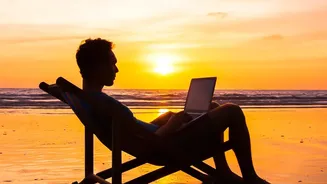
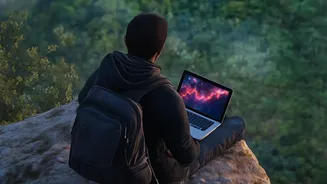
A primary motivation behind this trend is the desire to escape the relentless pace and high stress of city life. Professionals from metros like Mumbai and Bengaluru are actively seeking refuge in places with cleaner air and a slower rhythm. The traditional model of waiting for a short annual leave is being replaced by a more fluid system where work continues, but evenings and weekends are spent exploring new cultures, trekking in the mountains, or relaxing on a beach. This shift is fueled by a generational desire for flexibility, independence, and experiences, especially within the tech and creative sectors where remote work is more common.
The Rise of Workation-Ready Hubs
This trend has been enabled by a crucial development: improving infrastructure in formerly remote locations. Destinations across India are adapting to meet the needs of long-staying professionals. Hill stations in Himachal Pradesh and Uttarakhand, such as Manali, Dharamshala, and Bir, have become popular for their cool climates and growing communities of remote workers. Similarly, coastal towns in Goa and Kerala like Varkala offer a mix of reliable internet, co-working spaces, and leisure activities. Even offbeat locations, including the first 'digital nomad village' in Yakten, Sikkim, are emerging, providing the necessary blend of connectivity and natural beauty.
Meet 'Bleisure': The Corporate Cousin
Running parallel to the independent workation is the rise of 'bleisure' travel, where employees extend business trips for personal leisure. Indian professionals are leading this trend in the Asia-Pacific region, with studies showing a high percentage of business travellers adding personal days to their work trips. While a workation is typically a self-planned, longer-term stay, bleisure represents a more structured, company-sanctioned way to blend work and travel. Companies are increasingly adapting their travel policies to accommodate this preference, recognizing it as a valuable perk for attracting and retaining talent.
Navigating the Practical Realities
Despite its appeal, the workation lifestyle is not without its challenges. Unreliable internet connectivity, especially during monsoon season in the Himalayas, can disrupt work. Other potential hurdles include managing different time zones, finding a dedicated and quiet workspace, and combating feelings of loneliness or isolation. A successful workation requires careful planning, from choosing a destination with stable infrastructure to setting clear boundaries between work and leisure to avoid burnout. The key is to find a sustainable balance that allows for both productivity and genuine relaxation.