





The New Digital Jukebox
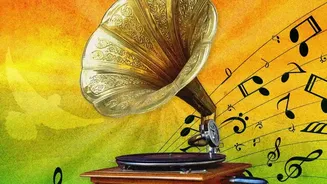
The primary engine behind this musical time travel is the short-form video app. Platforms like TikTok, Instagram Reels, and YouTube Shorts have become the world's most influential jukeboxes. Unlike the curated playlists of old, this is a chaotic, user-driven
phenomenon. A 15-second clip of a classic song, attached to a dance challenge, a meme, or a makeup tutorial, can introduce it to millions of Gen Z users overnight. This bite-sized format is perfectly suited for catchy, time-tested hooks. Research has shown that a significant percentage of songs that go viral on TikTok see a subsequent spike in streams on platforms like Spotify, often leading them to chart on the Billboard 100. It’s a spill-over effect that turns a forgotten gem into a modern hit, proving that a great chorus is timeless, no matter the decade it came from.
More Than a Movie Moment
While a well-placed song in a popular TV show or film can create a massive cultural moment, the trend is broader than just Hollywood's influence. The most cited example is Kate Bush's 1985 song "Running Up That Hill (A Deal With God)," which saw a staggering 9,000% increase in Spotify streams after its pivotal role in the show Stranger Things. It soared to the top of charts worldwide, earning the artist millions in new royalties and breaking multiple records. More recently, Sophie Ellis-Bextor's 2001 hit "Murder on the Dancefloor" exploded in popularity after being featured in the film Saltburn. The song entered the US Hot 100 for the first time ever and re-entered the UK charts, matching its original peak position of number two. But beyond these high-profile syncs, songs are being revived by users themselves, who give the music a completely new context. Fleetwood Mac's "Dreams" went viral after a TikTok video showed a man skateboarding and drinking cranberry juice, creating a mood of pure contentment that resonated with millions and sent the 1977 track back onto the charts.
Why Old is New Again
The appeal for younger listeners is multifaceted. For some, it's a form of musical archaeology, discovering the roots of the music they already enjoy. For others, it’s about the perceived authenticity and emotional depth of older songwriting. There's a timeless quality to the storytelling in songs by artists like Fleetwood Mac or the raw energy of Queen that cuts through the polished production of many modern tracks. Social media trends often attach these songs to specific aesthetics or moods, giving them a new identity completely separate from their original era. This phenomenon allows a new generation to claim these songs as their own. It's not just about nostalgia for a past they never lived; it's about finding a piece of history that speaks directly to their present. Alphaville's "Forever Young," for example, has found a new audience through online trends about living in the moment, a message as relevant today as it was during the Cold War.
A Ripple Effect Through the Industry
This trend has not gone unnoticed by the music industry. Record labels now view their back catalogs not as dusty archives, but as active revenue streams waiting to be tapped. Many have dedicated teams that monitor social media for burgeoning trends, ready to amplify a song's revival with targeted promotion. This has created a new lifecycle for music, where a song is never truly finished. The revival of a track can lead to renewed interest in an artist's entire discography, merchandise sales, and even new touring opportunities. For the artists themselves, it's often a welcome and magical surprise. In a BBC interview, Sophie Ellis-Bextor said the return of "Murder on the Dancefloor" felt "really magical" and that it was "beautiful" for new people to be making memories with her song. This shift fundamentally changes the economics of legacy artists and flattens the music landscape, where a 50-year-old song can compete with a brand-new release.