






The Engine of Speed: How 'Dark Stores' Work
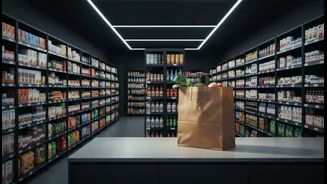
Quick-commerce (q-commerce) platforms promise lightning-fast delivery by using a network of 'dark stores'. These are not shops you can walk into; they are small, strategically located warehouses packed with inventory, serving a radius of just a few kilometres.
This model allows a delivery partner to pick up an order and reach your doorstep in minutes. However, the very nature of these stores—small, often understaffed, and focused on high-speed turnover—creates potential blind spots for hygiene and safety. Regulatory bodies like the Food Safety and Standards Authority of India (FSSAI) are now increasing their scrutiny of these facilities amid growing consumer complaints.
The Freshness Gamble: Are Perishables Kept Safe?
The biggest challenge for q-commerce is managing perishable items like milk, eggs, bread, and fresh produce. The operational model, built for speed, faces unique hurdles in maintaining proper storage conditions, ensuring timely stock rotation, and monitoring expiry dates across thousands of daily orders. Recent actions by the FSSAI against major platforms have been driven by consumer complaints about receiving spoiled, rotten, and contaminated food. Instances have included foul-smelling eggs, spoiled parathas, and even deteriorated infant food formula. These incidents highlight the risk that in the race against the clock, crucial cold chain storage and handling practices might be compromised.
A Question of Compliance: Rules and Reality
In India, any facility that stores or sells food, including dark stores, must have an FSSAI license and adhere to safety regulations. FSSAI has been clear that e-commerce platforms are not just tech intermediaries but part of the food supply chain, responsible for safety from warehouse to delivery. However, enforcement has been a challenge. Investigations have uncovered dark stores operating without valid licenses or in unhygienic conditions. In response, the FSSAI has directed platforms to ensure all their warehouses are licensed, handlers are trained, and hygiene protocols are followed strictly. Despite these directives, complaints about expired products and poor quality continue to surface, suggesting a gap between the rules and on-the-ground implementation.
Beyond Fresh Produce: Packaged Goods Concerns
The safety issues aren't limited to fresh items. A significant number of consumer complaints involve packaged goods being delivered after their expiry date. A recent survey found that nearly half of online grocery shoppers could not find 'best before' date information on the apps before purchasing. This is a direct violation of regulations that require such details to be displayed. Consumers have reported receiving everything from expired whey protein and snacks to damaged packages. While FSSAI rules mandate that products must have a certain amount of shelf life remaining at the time of delivery, the high-speed inventory model of q-commerce can lead to errors where older stock is sent out.
Your Checklist for Safer Shopping
While regulators work to improve compliance, you as a consumer have power. First, inspect your groceries immediately upon delivery. Check for signs of spoilage in fresh items, look for damaged or tampered packaging, and always verify the 'best before' or expiry dates. Don't hesitate to use the app's customer service to report an issue. While a refund is a common response, lodging a formal complaint about safety creates a record. For more serious issues, you can file a complaint directly with the FSSAI or the National Consumer Helpline. Finally, be wary of deals that seem too good to be true. Extremely low prices on perishable goods could be a sign that the platform is trying to clear stock that is close to expiring.