


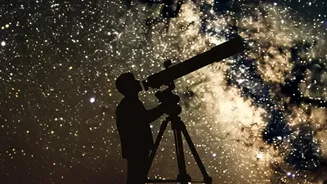

Beyond the glare of city lights lies a universe waiting to be discovered. India, with its diverse landscapes, offers some of the most spectacular and pristine skies for stargazing. Here are six destinations where you can truly connect with the cosmos.
Hanle, Ladakh: India’s Dark Sky Capital
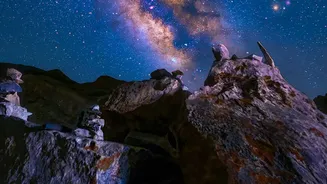
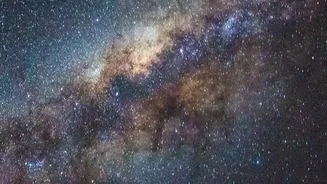
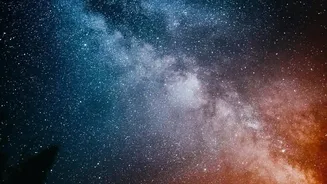
Tucked away in the remote Changthang region, Hanle is officially India's first Dark Sky Reserve. At an altitude of 4,500 metres, you are above much of the Earth’s atmosphere, offering exceptionally clear and dark skies. The region hosts the Indian Astronomical Observatory, a testament to its world-class viewing conditions. On a moonless night, the Milky Way is not just visible; it's a breathtaking river of light stretching from one horizon to the other. The reserve is committed to minimising light pollution, ensuring the skies remain pristine for both scientific research and astro-tourism. Visitors can join guided tours and stargazing sessions, making it a pilgrimage site for serious astronomers and casual skywatchers alike.
Spiti Valley, Himachal Pradesh: A High-Altitude Desert Canvas
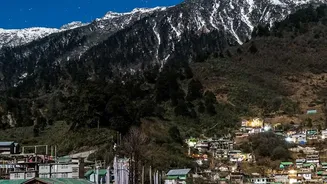
Spiti Valley, a cold desert mountain valley, is a dream destination for stargazers. Its high altitude, minimal light pollution, and dry climate create near-perfect conditions for observing the night sky. Villages like Kaza, Kibber, and Langza become natural observatories after sunset. Langza, with its iconic Buddha statue, provides a stunning silhouette against a star-filled backdrop, while Kibber is one of the highest inhabited villages in the world, offering unobstructed celestial views. The best time to visit is from May to October, when the roads are open and the skies are reliably clear. Here, the stars feel incredibly close and sharp, and spotting constellations, shooting stars, and even other galaxies with the naked eye is a common experience.
Pangong Tso, Ladakh: Reflections of the Cosmos
The famous Pangong Lake offers a stargazing experience that is truly unique. At an altitude of 4,350 metres, the skies are incredibly dark, rated as Bortle Class 1-2, the highest quality. What makes this location magical is the lake itself. On a calm, moonless night, the still waters of Pangong Tso create a perfect mirror, reflecting the star-studded sky and the majestic arc of the Milky Way. The combination of the high-altitude desert environment and the vast expanse of water results in a surreal, immersive experience. The best viewing season is from June to September, when the galactic core is most visible, but be prepared for freezing temperatures even in summer.
Rann of Kutch, Gujarat: A Universe Over Salt Plains
The Great Rann of Kutch is a vast salt marsh that transforms into an otherworldly stargazing arena during the dry winter months. Its incredibly flat, featureless landscape provides an uninterrupted 360-degree view of the horizon. Far from major cities, light pollution is virtually non-existent, allowing the sky to reveal its full glory. During the Rann Utsav festival (typically November to February), visitors can experience this celestial show. While full moon nights offer a surreal, glowing landscape as moonlight reflects off the white salt, new moon nights are when the stars truly dominate, with the Milky Way appearing in stunning detail.
Neil Island, Andaman and Nicobar: Tropical Stargazing
For a different kind of skywatching experience, head to Neil Island (Shaheed Dweep) in the Andamans. Here, you trade high-altitude chill for serene tropical beaches. The island's minimal commercialisation and low light pollution mean the night skies are remarkably clear. Lying on a quiet beach like Sitapur or Bharatpur, with the gentle sound of waves in the background, you can gaze up at a sky full of stars. The best time to visit for stargazing is during the dry season, from November to April, when the skies are clear of monsoon clouds. It’s a peaceful, romantic, and profoundly tranquil way to appreciate the cosmos.
Coorg, Karnataka: A Southern Starry Escape
Nestled in the Western Ghats, Coorg (Kodagu) is known for its coffee plantations and misty hills, but it's also a fantastic destination for stargazing in South India. Away from the bustle of city life, the region's higher elevations and clean air provide clear views of the night sky, especially from October to May. Spots like Tadiandamol Peak, the highest in Kodagu, offer unfiltered celestial views due to minimal light pollution. Many homestays and resorts in areas like Madikeri are situated in open spaces perfect for setting up a telescope or simply lying back and watching the stars appear. There is even a dedicated public observatory, Starscapes, offering guided shows.