





1. Ignoring the Weather Forecast
The most fundamental error is treating the monsoon as a predictable backdrop rather than an active, game-changing force. A light drizzle can escalate into a torrential downpour in hours, leading to localised flooding, road closures, and cancelled activities.
Before you book and right before you leave, check the detailed forecast for your specific destination. Ignoring official alerts about heavy rain or potential landslides, especially in hilly or coastal areas, is a risk not worth taking. A short trip has little room for long delays, so being weather-aware is your first line of defence.
2. Packing a Rigid, Overstuffed Itinerary
A common mistake travellers make is creating a packed schedule with no room for delays. Monsoon travel is inherently unpredictable. A waterlogged road could add hours to a drive, or a popular viewpoint might be closed due to safety concerns. For a short holiday, a rigid plan is a recipe for stress. The key is to build flexibility into your itinerary. Prioritise your must-see sights, but have backup options, like a local museum, a cosy cafe, or indoor activities at your hotel, for when the weather doesn't cooperate. This way, a downpour becomes a chance to relax, not a reason for frustration.
3. Choosing the Wrong Destination
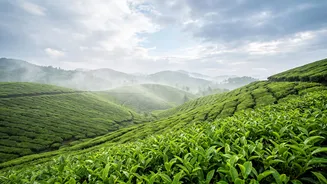
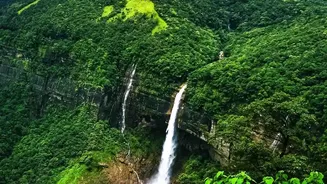
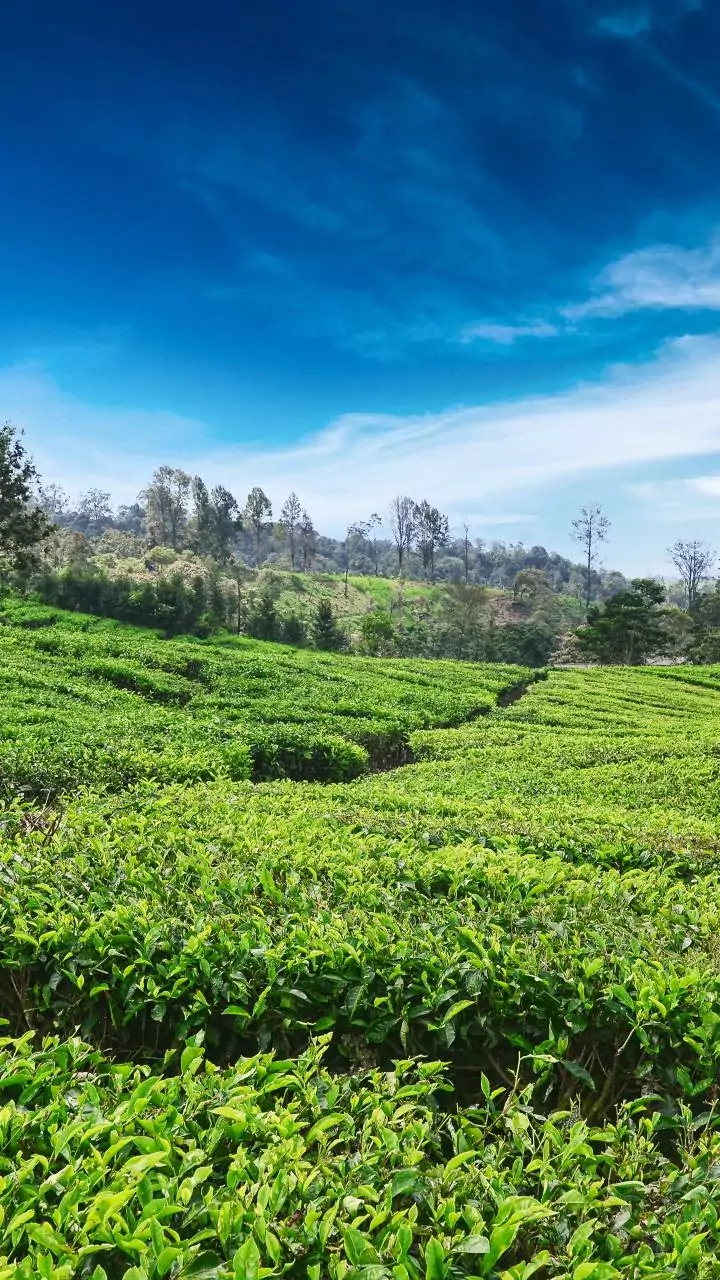
Not all destinations are created equal during the rainy season. While places like Munnar, Coorg, and parts of Goa come alive with lush greenery, other regions, particularly landslide-prone mountainous areas, can become hazardous. Before booking, research whether your chosen route is susceptible to flooding or road closures. Opt for destinations known for their monsoon beauty and reliable infrastructure. A short trip is better spent enjoying the rain-washed scenery of a safe location than being stranded by a landslide in a high-risk zone.
4. Wearing and Packing the Wrong Gear
Denim jeans, canvas sneakers, and a single fancy jacket are poor choices for a monsoon trip. These materials absorb water, take forever to dry, and can leave you feeling cold and uncomfortable. One of the biggest mistakes is improper footwear; regular sports shoes lack the grip for slippery, muddy terrain. Instead, pack light, synthetic, quick-drying clothes and waterproof footwear like floaters or rubber sandals. A reliable raincoat or poncho is non-negotiable, as is a waterproof bag or cover to protect your electronics and documents. Being appropriately dressed is crucial to actually enjoying the rain, not just enduring it.
5. Disregarding Health and Hygiene Risks
The monsoon season sees a spike in water-borne and mosquito-borne diseases like dengue, malaria, typhoid, and cholera. The humid weather and stagnant water create breeding grounds for germs and mosquitoes. A huge mistake is indulging in street food, no matter how tempting. The risk of contamination is high due to questionable water sources and hygiene. Stick to freshly cooked, hot meals from reputable restaurants and drink only bottled or purified water. Also, carry a strong insect repellent and use it liberally, especially during dawn and dusk, to avoid mosquito bites.
6. Underestimating Road Travel Challenges
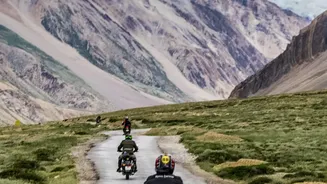
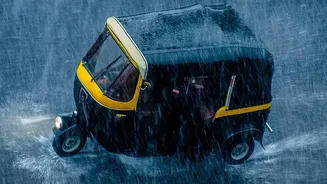
Driving during the monsoon requires extra caution. Rain reduces visibility, makes roads slippery, and can hide dangerous potholes. Attempting to drive through waterlogged streets is a major error, as you can't see what's underneath and risk vehicle damage or getting stuck. If you are on a road trip, ensure your car is serviced, with special attention to tyres, brakes, and wipers. Driving slowly, maintaining a safe distance from other vehicles, and avoiding travel after dark, especially in hilly areas, are essential safety measures. On a short trip, a vehicle breakdown is a complication you can't afford.
7. Making Last-Minute, Inflexible Bookings
While the monsoon is often considered an off-season with better deals, it's a mistake to book without checking the fine print. Your hotel should ideally have backup power, as power cuts can be common during heavy rains. Check recent reviews for mentions of monsoon-specific issues like leaks or access problems. Most importantly, opt for flexible bookings for travel and accommodation. Given the unpredictable weather, having the ability to change your plans without a significant financial penalty provides crucial peace of mind for a short, complicated holiday.