



India's Surprising 'Sunshine Vitamin' Shortage
Vitamin D is essential for absorbing calcium, ensuring strong bones, and supporting immune function. Yet, studies show that a vast majority of the Indian population, from children to adults, has insufficient levels of it. This widespread deficiency exists
despite India's sunny climate. Factors like modern indoor lifestyles, urban air pollution that blocks UVB rays, and darker skin pigmentation which requires longer sun exposure to produce Vitamin D, all contribute to this public health issue. This puts a greater emphasis on what we eat, but finding reliable dietary sources, especially in vegetarian diets, can be a challenge.
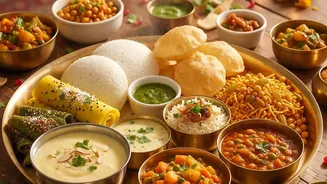
The Hunt for Vitamin D on the Indian Plate
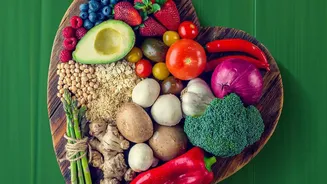
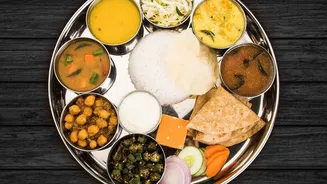
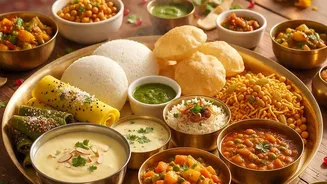
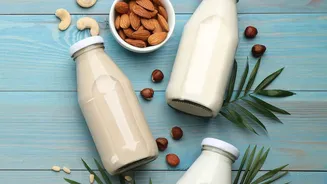
When looking for Vitamin D in food, the options are limited. Fatty fish like Hilsa (Ilish) and sardines are excellent sources, but aren't consumed by a large portion of the population. Egg yolks and fortified foods like milk and edible oils are other options. For a predominantly vegetarian nation, this presents a significant gap. Many common vegetables and fruits contain practically no Vitamin D, making it difficult to meet the daily requirement through diet alone. This is where mushrooms enter the picture, standing out as one of the few plant-based foods with the potential to be a significant source of this crucial vitamin.
Mushrooms: A Unique Power to Create Vitamin D
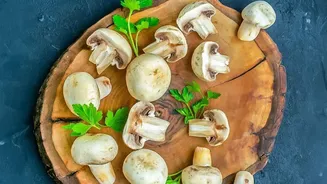
What makes mushrooms special is a compound called ergosterol, a precursor to Vitamin D2. Much like human skin uses sunlight to create Vitamin D3, mushrooms use ultraviolet (UV) light to convert their ergosterol into Vitamin D2. This process can happen even after the mushrooms have been harvested. However, most commercially grown mushrooms, like the common button variety, are cultivated in dark, controlled environments. As a result, the mushrooms you typically buy from the supermarket contain very little to no Vitamin D in their 'off-the-shelf' state.
Understanding the 'Variable' in Vitamin D Content
The variability in mushrooms' Vitamin D content comes down to one factor: light exposure. A mushroom grown in the dark has negligible levels, but the same mushroom exposed to UV light can become packed with it. Wild mushrooms like chanterelles and morels, which grow in sunlight, are naturally rich in Vitamin D. Commercially, some growers now sell mushrooms specifically treated with UV light to boost their nutritional profile. Studies have shown that even a few seconds of UV treatment can dramatically increase Vitamin D levels, turning a nutritionally modest food into a powerhouse. This explains why you might see some mushroom packages advertising high Vitamin D content while others make no such claim.
A Simple Hack to Boost Vitamin D at Home
The good news is you don’t have to hunt for special UV-treated mushrooms. You can increase the Vitamin D content of regular store-bought mushrooms yourself with a simple trick. Just slice them and place them in direct midday sunlight for as little as 15 to 60 minutes. Placing them gill-side up can increase the surface area exposed to the sun, enhancing the effect. Research shows this simple sun exposure can generate a significant amount of Vitamin D2, often more than the daily recommended intake, which is then stable during storage and cooking. Button, cremini, and shiitake mushrooms all respond well to this method.
Making D-Rich Mushrooms a Part of Your Meals
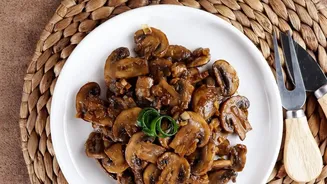
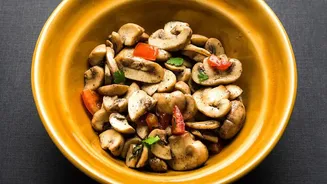
Once you've 'tanned' your mushrooms, incorporating them into your daily meals is easy. Their earthy flavour complements a wide range of Indian dishes. Add sun-exposed mushrooms to a vegetable sabzi, mix them into a flavourful pulao, or stir-fry them with paneer and spices. They are a fantastic addition to omelettes, dals, and pasta sauces. Sun-dried shiitake mushrooms, which are particularly effective at producing and storing Vitamin D, can be rehydrated and used in various recipes, bringing a rich, umami flavour along with their nutritional benefits. Grilling or stir-frying is recommended over boiling to best retain the newly created vitamin content.