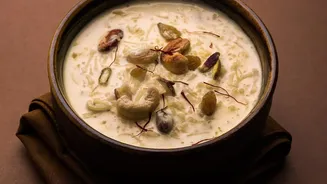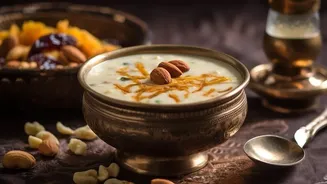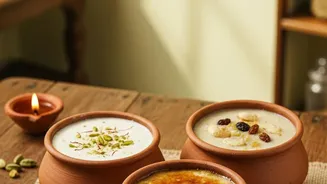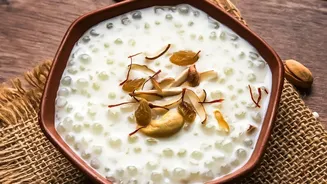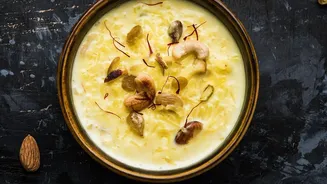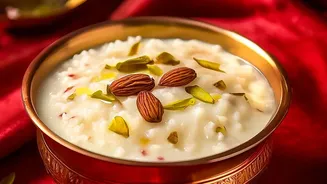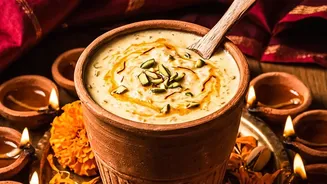




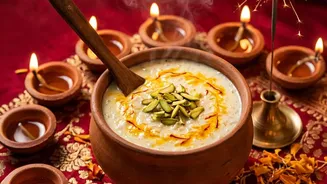
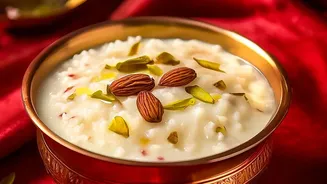
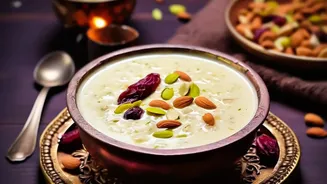
As winter arrives, the craving for warm, soulful desserts grows. While most Indian sweets rely on sugar or jaggery, there's a rustic classic that uses a seasonal star: fresh sugarcane juice, creating a kheer unlike any other.
A Taste of the Winter Harvest
Known as Ganne ki Kheer, Ras
ki Kheer, or Rasawal, this dessert is a beloved tradition in many North Indian households, especially in Punjab, Bihar, and Uttar Pradesh. It is deeply connected to the winter harvest season and festivals like Lohri, Makar Sankranti, and Chhath Puja. Traditionally, it was a way to celebrate the abundance of fresh sugarcane, slow-cooking rice in its juice to create a naturally sweet and comforting pudding. This process makes it more than just a dessert; it’s a taste of the season itself, embodying warmth and community.
Why Sugarcane Juice Makes It Special
Using fresh sugarcane juice instead of processed sugar or jaggery is what defines this kheer. The juice provides a complex, earthy sweetness that is less intense than refined sugar but full of character. As it cooks, the natural sugars in the juice concentrate, infusing the rice with a unique flavour that is both rustic and fragrant. The process requires some attention, as impurities (scum) that rise to the surface during boiling must be skimmed off to ensure a clean taste and prevent the kheer from darkening. The result is a dessert that feels wholesome and deeply satisfying, offering a direct connection to its core ingredient.
The Comforting Aroma of Cardamom
Cardamom, or 'elaichi', is the soulmate to sugarcane in this dish. Its warm, floral, and slightly citrusy notes are essential for balancing the sweetness of the kheer. Just a few crushed green cardamom pods added to the simmering juice are enough to transform the dessert, lending it an intoxicating aroma that fills the kitchen. This spice doesn't just add flavour; it elevates the entire experience, cutting through the richness and making each spoonful a complex and fragrant delight. It’s a classic pairing in Indian desserts, from kheer to barfi, known for its ability to make simple ingredients feel celebratory.
How to Make Ganne ki Kheer
Making this kheer at home is a rewarding process. You'll need about a litre of fresh, pure sugarcane juice (without added salt, lemon, or ginger), half a cup of soaked rice (short-grain or basmati work well), and a few green cardamom pods. First, bring the sugarcane juice to a boil in a heavy-bottomed pan, carefully skimming off any foam that forms on the surface. Once the juice is clear, add the drained rice and crushed cardamom. Let it simmer on a low flame, stirring occasionally to prevent sticking. The kheer is ready when the rice is fully cooked and the mixture has thickened to a creamy consistency, which can take around 20-30 minutes. Many recipes also finish with a spoonful of ghee and a handful of roasted nuts like almonds or cashews for added richness and texture.
Tips for Serving and Variations
Ganne ki Kheer can be enjoyed warm on a chilly evening or served chilled for a different experience. For a creamier texture, some recipes suggest adding a splash of milk or even a bit of khoya towards the end of the cooking process. Garnish with slivered almonds, pistachios, or roasted coconut slices to add a delightful crunch. In some traditions, the kheer is allowed to rest, as its flavours are believed to deepen over time. No matter how you serve it, this dessert offers a unique and memorable taste of India’s rich culinary heritage.