





Embracing the Green Wonderland
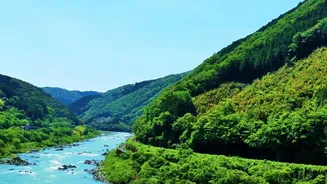
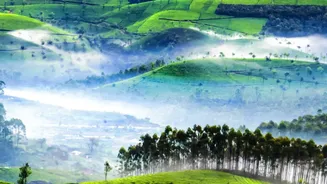
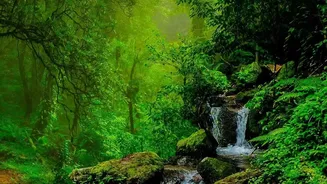
From June to September, Assam undergoes a magical transformation. The monsoon rains wash over the landscape, painting everything in brilliant shades of green. The air is fresh, the dust has settled, and a cool mist often hangs over the hills and plains.
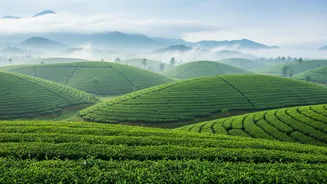
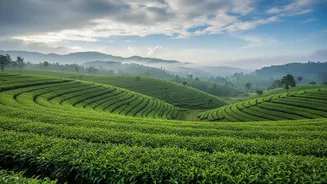
This is the season when the state’s famed tea gardens are at their most beautiful, with endless rows of lush, rain-soaked bushes creating a mesmerising sight. The sound of the rain, the smell of wet earth, and the sheer vibrancy of the scenery create a deeply soothing and immersive experience. Unlike the peak tourist season, the monsoon offers a quieter, more intimate encounter with Assam’s natural beauty, with fewer crowds and a more tranquil atmosphere.
A Word on National Parks
It's important to set the right expectations for wildlife viewing. Assam's most famous resident, the one-horned rhinoceros, is primarily found in parks like Kaziranga and Manas, which are UNESCO World Heritage Sites. However, due to flooding from the mighty Brahmaputra River, these major national parks are largely closed to tourists during the monsoon, typically from May or June until October. Safari trails become inaccessible and unsafe. While this means a traditional jeep or elephant safari is off the table, the closure is a vital part of the ecosystem's natural rejuvenation cycle. The headline's promise of rain-soaked forests holds true, but the experience shifts from big-game safaris to enjoying the atmospheric beauty of the region's other stunning landscapes.
Destinations That Shine in the Rain
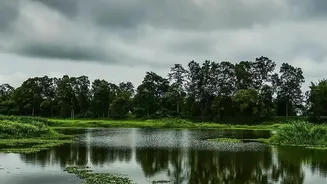
While the major parks rest, other parts of Assam come alive. The tea capital, Jorhat, and the plantations around Dibrugarh offer incredible vistas and the chance to stay in charming heritage tea bungalows. You can witness the tea-making process and enjoy countless cups of fresh Assam tea. Another fantastic monsoon destination is Haflong, the state's only hill station. Its rolling hills are cloaked in mist, offering breathtaking views and a cool respite. For a unique cultural and natural experience, consider Majuli, the world's largest river island. The monsoon swells the surrounding river, and while travel can be unpredictable, the island becomes a vision of serene, green paddy fields. For birdwatchers, Deepor Beel, a freshwater lake near Guwahati, becomes a haven for various bird species during this time.
Cultural Immersion and Local Life
The monsoon season is not just about landscapes; it's deeply tied to Assam's cultural rhythm. The rains bring a sense of calm and renewal to the villages and cities. It is a perfect time to explore the spiritual side of Assam. The Kamakhya Temple in Guwahati, perched atop Nilachal Hill, feels particularly mystical against grey, rain-filled skies. The famous Ambubachi Mela, a fertility festival, is held at the temple in June, drawing devotees who brave the weather. This season also offers a wonderful opportunity to savour Assamese cuisine, which features many seasonal herbs and vegetables that thrive during the rains. It’s a chance to slow down, engage with local life, and perhaps spend an afternoon simply watching the rain from a cosy veranda.
Practical Tips for a Monsoon Trip
A monsoon adventure in Assam requires some practical planning. First and foremost, pack waterproof gear, including a good raincoat, umbrella, and waterproof footwear. Quick-drying clothes are essential. Protect your electronics with waterproof bags. Be prepared for travel delays, as heavy rain can sometimes affect road conditions and ferry schedules, especially to places like Majuli. Always check the latest weather forecasts and road advisories before you set out. It's also wise to carry insect repellent for protection against mosquitoes and leeches, which are common in wet, forested areas. Booking your accommodations in advance is recommended, as even in the off-season, you'll want a guaranteed comfortable place to dry off and relax.