






The Fermentation Fascination
Fermented foods are a cornerstone of Indian cuisine, celebrated for both flavour and health benefits. From dahi and buttermilk to idli, dosa, and pickles, these foods undergo a process where beneficial microbes like bacteria and yeast break down sugars.
This not only preserves the food but also creates probiotics—live beneficial bacteria. These 'good' bacteria are vital for maintaining a healthy gut microbiome, which in turn supports digestion, nutrient absorption, and overall immunity. Many traditional Indian diets are naturally rich in these foods, which are credited with supporting a healthy gut environment.
Monsoon and Your Gut
The rainy season, while beautiful, is notorious for challenging our digestive health. The high humidity can slow down our 'Agni' or digestive fire, according to Ayurveda. More scientifically, the damp environment is a breeding ground for harmful bacteria and viruses, increasing the risk of water and food-borne infections like diarrhoea and stomach bugs. This combination of a sluggish digestive system and a higher threat of contamination makes many people cautious about their food choices, leading to the debate over consuming fermented items.
The Expert Verdict: A Resounding Yes, with Caution
So, can you enjoy your favourite fermented foods? The overwhelming consensus from nutritionists and gastroenterologists is yes, you can and should. Fermented foods can be particularly beneficial during the monsoon, as the probiotics they contain help bolster your gut's defences against harmful pathogens and boost immunity. However, the key lies in a 'balanced approach'. The benefits are contingent on the freshness, hygiene, and type of fermented food consumed. The wrong choices can indeed lead to bloating, indigestion, or other issues, which is where the traditional caution comes from.
Smart Fermented Choices for Monsoon
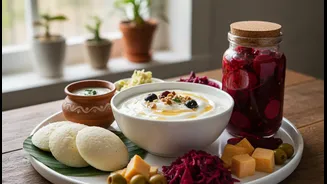
Not all fermented foods are created equal, especially during the monsoon. Here are some of the safest and most beneficial options: Fresh Homemade Dahi (Curd) and Chaas (Buttermilk): Freshly set curd is a powerhouse of probiotics. It's light, aids digestion, and can help prevent bloating. Buttermilk is even lighter and more hydrating, making it an excellent choice. Experts suggest consuming it during the day, preferably at room temperature. Idli and Dosa: Made from a fermented batter of rice and lentils, these South Indian staples are steamed and light on the stomach. The fermentation process makes them easily digestible and a great source of natural probiotics. Ensure the batter is fresh and has not been over-fermented. Kanji: This traditional North Indian drink made from fermented black carrots or beetroot is packed with healthy bacteria and is easy to prepare at home, making it a safe and refreshing option.
Foods to Approach with Caution
During the monsoon, it's wise to be extra careful with certain fermented items where hygiene can be a concern: Street Food: Avoid fermented street foods like golgappas with fermented water or roadside chutneys. The risk of contamination from unclean water and poor hygiene is extremely high during this season. Old or Store-Bought Batters: The high humidity can cause batters for foods like idli or dhokla to spoil or over-ferment quickly, leading to an upset stomach. Freshly prepared batter for immediate use is the safest bet. Commercial Pickles: While homemade, naturally fermented pickles can be beneficial in moderation, be cautious with commercially produced ones. Many are made with vinegar instead of being truly fermented and may contain high levels of salt and preservatives.
Tips for Safe Consumption
To reap the benefits without the risks, follow these simple guidelines: 1. Prioritise Homemade: Preparing fermented foods like curd, buttermilk, and batters at home gives you full control over hygiene and freshness. 2. Check for Freshness: Never consume fermented foods that smell overly sour, look discoloured, or have been left at room temperature for too long. 3. Timing Matters: According to both modern nutritionists and Ayurvedic principles, it's best to consume dairy-based fermented foods like curd during the day, preferably with lunch, when digestion is strongest. 4. Listen to Your Body: If you have a sensitive stomach, a cold, or a cough, and you notice that certain fermented foods worsen your symptoms, it's best to reduce your intake or avoid them temporarily.