

Understanding the Lay of the Land
First, it's helpful to know the relationship between these two destinations. Phan Thiet is the provincial capital, a bustling port city with a strong local identity and history. Mui Ne, technically a ward within Phan Thiet, has become famous in its own
right as the adjoining 15-kilometre coastal strip lined with resorts, restaurants, and adventure sports schools. While many travelers refer to the entire area as Mui Ne, staying in Phan Thiet offers a more budget-friendly and culturally immersive experience, whereas Mui Ne provides resort-style comfort with easier access to the main attractions. The good news is they are only about 20 kilometres apart, making it easy to explore both.
Phan Thiet: A Taste of Coastal Tradition
Phan Thiet offers a glimpse into authentic Vietnamese coastal life, away from the main tourist trail. The city is famous for being the heart of Vietnam’s fish sauce production, and its identity is deeply tied to the sea. A visit to the Van Thuy Tu Temple reveals this connection, housing the skeleton of a massive whale believed to be a guardian spirit of local fishermen. The Phan Thiet Central Market is a vibrant hub of activity where you can see daily life unfold and sample local produce. Don’t miss the Po Sah Inu Cham Towers, a cluster of 8th-century ruins that stand as a relic of the ancient Champa Kingdom, offering historical context and impressive views from their hilltop perch.
Mui Ne: Where Desert Meets the Ocean
Mui Ne is where the adventure happens. Its main draw is the incredible sand dunes that create a surreal, desert-like landscape right next to the sea. There are two main sites: the White Sand Dunes and the Red Sand Dunes. Beyond the dunes, Mui Ne is a world-renowned destination for water sports, particularly kitesurfing and windsurfing, thanks to strong, consistent winds, especially between November and March. For a more whimsical experience, take a walk through the Fairy Stream (Suoi Tien), a shallow creek that winds through a canyon of striking red and white sandstone formations.
The Unforgettable Sand Dunes
No trip is complete without experiencing the dunes. The White Sand Dunes (Bau Trang) are the larger and more spectacular of the two, with towering hills of pale sand surrounding a serene lotus lake. Many visitors opt for a sunrise jeep tour to see the landscape in the magical early morning light and avoid the midday heat. Here, you can rent an ATV for a thrilling ride across the sandy expanse. The Red Sand Dunes are smaller and closer to Mui Ne's main strip. Their reddish-brown sand is especially beautiful at sunset, and they are a popular spot for the simple fun of sand-sledding on plastic sheets.
Exploring the Fishing Village
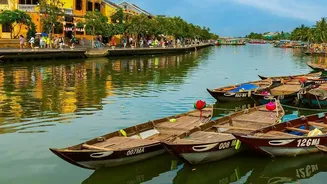
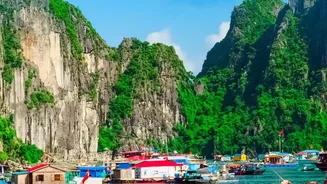
To see the backbone of the local economy, wake up early for a visit to the Mui Ne Fishing Village. Just after sunrise, the shore becomes a chaotic but captivating scene as fishermen return with their overnight catch. Hundreds of colourful boats, including traditional round 'basket boats', bob in the bay while families sort fish, crabs, and scallops on the sand. It’s a vibrant, authentic spectacle that offers incredible photo opportunities and a chance to witness a way of life that has sustained this region for centuries.
How to Plan Your Getaway
Getting to Phan Thiet and Mui Ne is straightforward, especially from Ho Chi Minh City, which is about 200km away. Thanks to a new expressway, the journey by bus or private car now takes only 2.5 to 4 hours. Buses are the most common and budget-friendly option, with many companies offering direct service to the Mui Ne resort strip. Trains are also available, arriving at Phan Thiet station, from which you'll need a short taxi or bus ride to Mui Ne. The best time to visit is during the dry season, from November to April, when you can expect sunny skies, pleasant temperatures, and ideal conditions for beach activities and water sports.