
The Age of the Over-Styled Shelf
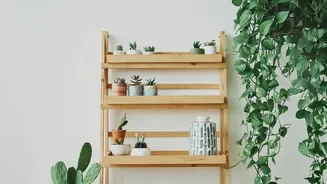
Not long ago, the ultimate sign of a well-decorated home was a bookshelf brimming with objects. This was the era of 'cluttercore' and maximalism, where more was more. The goal was to create a rich, layered look, a sort of curated chaos that told a story
of a life well-lived and well-travelled. Each shelf was a miniature stage, packed with small photo frames, tiny succulents, colour-coded books, and an assortment of decorative knick-knacks. This trend was fuelled by social media, where the #shelfie became a competitive sport in showcasing personality through possessions. It was a rebellion against the stark, cold minimalism that had dominated for years, offering instead a sense of warmth, coziness, and vibrant self-expression.
A Quiet Backlash to the Clutter
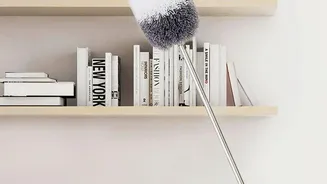
Like all trends, the pendulum has begun to swing back. What once felt personal and expressive started to feel like an obligation to accumulate and arrange. The reality of maintaining these busy displays set in—the dusting, the constant rearranging, and the visual static in our homes. From a wellness perspective, designers noted that too much visual input can make a home feel less restful. This has led to a collective craving for simplicity and calm. The backlash isn't a full return to severe minimalism, but a move toward a more considered approach that experts are calling 'warm minimalism' or 'quiet luxury'. The philosophy isn't about having nothing, but about ensuring every object has a purpose and a place to breathe.
The New Case for Fewer, Larger Objects
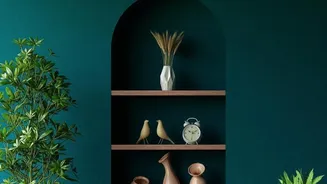
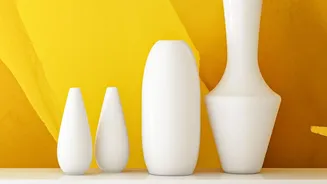
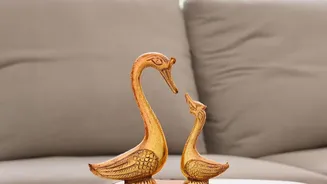
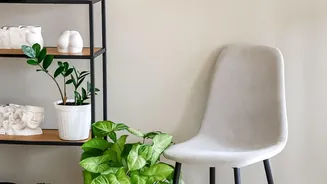
This trend reversal makes a powerful case for decorating with fewer, but larger, statement pieces. Instead of ten tiny objects creating visual noise, one or two substantial items can anchor a shelf and give it more impact. Think of a single, large sculptural vase, a substantial piece of pottery, or a stack of art books topped with just one beautiful object. This approach immediately makes a space feel more intentional and less cluttered. Designers suggest that larger items carry more visual weight and can make a room feel more sophisticated and put-together. The rule of thumb emerging in 2026 is simple: edit ruthlessly and allow for negative space. Leaving parts of a shelf empty is now seen as a crucial design choice, giving the remaining items importance and allowing the eye to rest.
More Than Just Minimalism
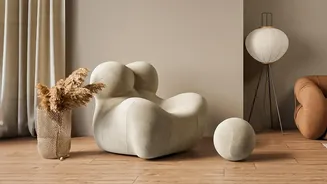
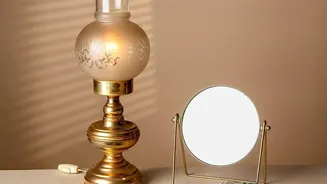
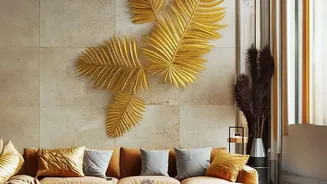
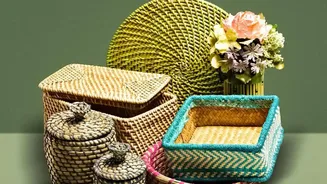
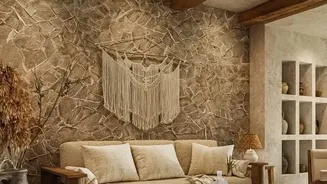
It’s important to distinguish this new direction from the cold, impersonal minimalism of the past. The 2026 evolution of minimalism is warm, textured, and full of personality. The focus is on natural materials like wood, stone, and linen, and a palette inspired by nature—creams, taupes, and earthy greens. The 'fewer, larger objects' approach fits perfectly within this framework. A large wooden bowl, a textured ceramic lamp, or a significant piece of framed art contribute to a sense of grounded tranquility. It’s about creating an atmosphere that feels both clean and soulful, where the story is told through high-quality, meaningful pieces rather than an abundance of small trinkets.
How to Embrace the Shift
Making the change doesn't require a complete overhaul. Start by taking everything off one shelf. Before putting anything back, edit your collection. Keep only what is truly beautiful or meaningful. Then, begin styling with your largest items first—perhaps a few stacks of books or a tall vase. Layer in one or two smaller pieces in front, focusing on creating depth and varied shapes. Follow the 'rule of three' by grouping objects in odd numbers, which is often more visually appealing. Most importantly, step back and remove one more thing. The goal is to create a composition that feels balanced, calm, and, above all, a true reflection of you—not of a fleeting trend.