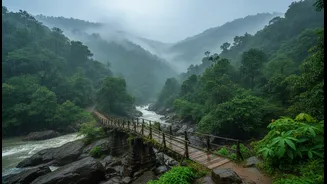






Check Weather and Official Advisories First
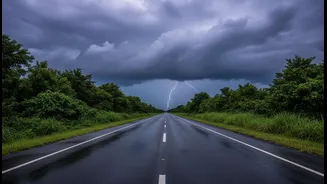
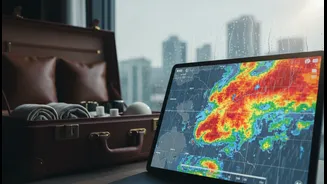
Before you even pack your bags, your first step should be to check the latest weather forecasts and local advisories. The India Meteorological Department (IMD) frequently issues heavy rainfall alerts, including red and orange warnings, for districts in the Western
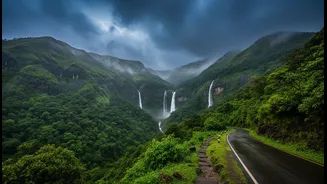
Ghats across Maharashtra, Goa, Karnataka, and Kerala. These alerts often precede travel disruptions. In recent years, authorities have become stricter, often invoking legal sections to ban entry to high-risk waterfalls, forts, and trekking routes during peak rains. For instance, popular spots like Dudhsagar Falls in Goa and several trails in Pune and Raigad districts have faced temporary closures. Always check official district administration or forest department websites and social media handles for real-time updates on closures and permissions. Postponing your trip during a heavy rain alert is the safest decision you can make.
Pack Smart, Not Heavy
Your packing list is your first line of defense. Opt for lightweight, synthetic, quick-drying clothes instead of cotton, which absorbs water and becomes heavy. A reliable waterproof jacket and a poncho are non-negotiable. Footwear is critical; choose trekking shoes with excellent grip for slippery, mossy rocks and muddy trails. Waterproof sandals are useful for less strenuous moments. Pack everything in waterproof dry bags or line your backpack with plastic bags to protect electronics, documents, and spare clothes. A basic first-aid kit, insect repellent for leeches and mosquitoes, energy bars, and a reusable water bottle are essential. Also, carry a power bank, a flashlight or headlamp, and a physical copy of emergency contacts.
Navigating Roads and Trails with Caution
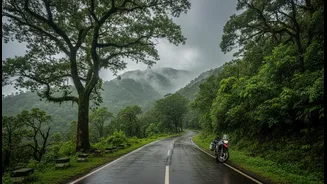
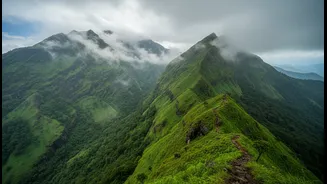
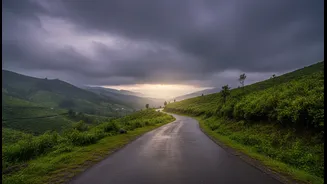
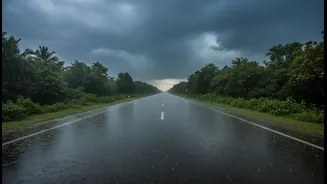
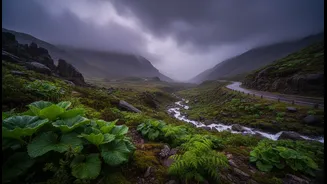
Driving in the Ghats during monsoon requires immense focus. Roads can be extremely slippery, and visibility can drop to near-zero in minutes. Reduce your speed, maintain a safe distance from other vehicles, and use low-beam headlights even during the day. Be wary of submerged sections of the road, which can hide deep potholes. When trekking, never go alone; always travel in a group and consider hiring a local guide who understands the terrain and weather patterns. Stick to well-marked trails and avoid shortcuts, which can be disorienting in the fog and rain. Many popular trails like Kalavantin Durg and Harihar Fort become dangerously overcrowded on weekends, so a weekday trip is often safer.
Beware of Natural Hazards
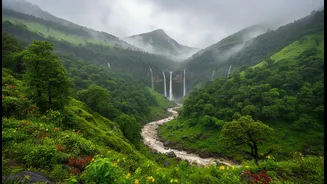
The raw beauty of the monsoon also brings serious natural dangers. Landslides and flash floods are the most significant threats. Intense rainfall saturates the soil on steep slopes, increasing the risk of mudslides, especially on roads cut into hillsides like the Charmadi and Shiradi Ghats. Unregulated construction and deforestation have made many areas more vulnerable. Waterfalls and streams can swell from a trickle to a torrent in minutes. Never enter fast-flowing streams or sit directly under waterfalls, as the force of the water can be unpredictable. Areas like Devkund Waterfall have seen restrictions due to flash flood risks. Always maintain a safe distance and be ready to move to higher ground if you notice water levels rising or the water turning muddy.
Prioritise Health and Hygiene
Monsoon is a breeding season for water-borne and vector-borne diseases. Drink only bottled, boiled, or purified water to avoid illnesses. Be cautious with street food, as high humidity increases the risk of contamination. Opt for freshly prepared, hot meals whenever possible. Mosquito-borne diseases like dengue are common, so use a strong insect repellent and wear long-sleeved clothing, especially at dawn and dusk. Fungal infections, particularly on your feet, can be a nuisance. Keep your feet as dry as possible and carry an extra pair of socks. It's also wise to inform a friend or family member of your itinerary and expected return time before you head out into areas with poor mobile network coverage.