



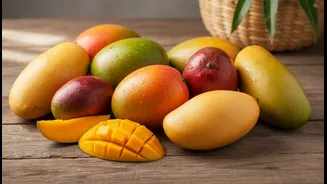


The Legend of the 'Queen of Mangoes'
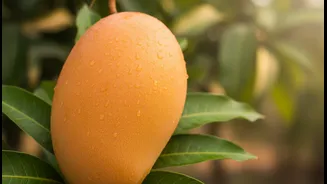
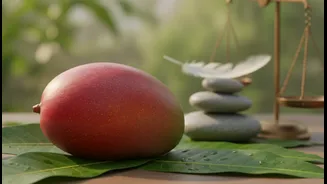
Consider the Noorjahan mango, a variety so rare it is grown exclusively in the Katthiwada region of Madhya Pradesh. Named after the Mughal queen, this magnificent fruit is legendary for its sheer size, with a single mango weighing between two and four
kilograms and sometimes selling for over a thousand rupees. Its history is said to trace back to Afghanistan, a horticultural treasure that found its perfect home in India centuries ago. The fruit's juicy, saffron-hued pulp and delicate flavour have made it a sensation, with enthusiasts booking their share months in advance. This demand is a lifeline for the few farmers who cultivate it, ensuring the variety's story continues.
The Double-Edged Sword of Popularity
While demand brings recognition and income, it also casts a long shadow. The moment a rare fruit like the Noorjahan or the famed Japanese Miyazaki becomes a viral sensation, the risk of overexploitation skyrockets. Unchecked demand can lead to a rush for cultivation, often with little regard for the specific and delicate conditions these varieties require. The Miyazaki mango, for example, needs a precise warm climate, ample sunlight, and specific soil conditions to develop its signature ruby-red colour and sweetness. When the focus shifts to quantity over quality, growers may resort to chemical fertilisers or improper grafting, ultimately diluting the very characteristics that made the fruit special. Experts have cautioned that the hype around varieties like the Miyazaki can mislead farmers into risky investments without a guaranteed market in India.
Cultivating a Conscious Market
So, how can demand be nurtured sustainably? The answer lies in shifting from a mindset of mass consumption to one of conscious appreciation. Community-led conservation efforts offer a powerful model. In the village of Kannapuram in Kerala, local families have successfully preserved over 100 indigenous mango varieties, creating a designated 'Indigenous Mango Heritage Area'. This approach, led by passionate individuals, focuses on documenting, propagating, and distributing rare native species that are naturally resistant to local pests and diseases. These initiatives build a market based on local pride and biodiversity rather than pure commercial hype.
The Role of GI Tags and Traceability
Formal systems also play a crucial role. The Geographical Indication (GI) tag is a vital tool for protecting authentic varieties. For fruits like the Alphonso from Maharashtra or the Jardalu from Bihar, a GI tag certifies their origin and ensures that growers adhere to specific cultivation standards. This system protects farmers from counterfeit products and guarantees consumers that they are getting the genuine article, with the unique taste and aroma tied to its specific geography. By creating a premium for authenticity, GI tags encourage the preservation of traditional farming practices and discourage a race to the bottom on price and quality.
From Hype to Heritage
The marketing of rare fruits often suffers when they are treated like any other commodity. Traditional wholesale markets may not offer fair prices for unique, non-commercial varieties, demoralising farmers. The solution involves more organised marketing efforts that connect growers directly with connoisseurs willing to pay a premium for heritage and taste. This can involve everything from farm-to-table initiatives and heritage food festivals to online platforms that tell the story behind the fruit. When consumers understand the history, the rarity, and the effort involved in cultivation, they become partners in conservation. The journey of a rare mango from a local secret to a celebrated treasure is fraught with peril. Its survival depends not just on its taste, but on our ability to value it wisely.