




The High Cost of Going Electric
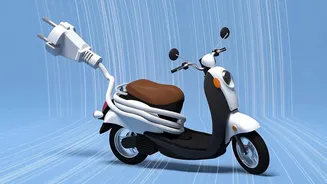
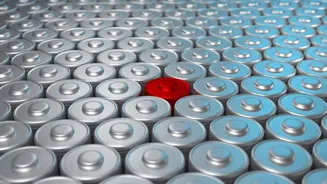
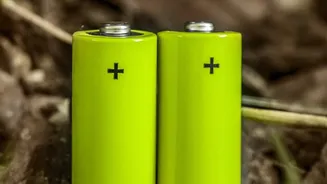
For the average Indian buyer, the price tag of an electric two-wheeler can be a significant barrier. Much of this cost, often 40-50% of the entire vehicle's price, comes from the battery pack. Currently, most electric vehicles (EVs) run on lithium-ion
batteries. While they are a huge leap over old lead-acid technology, they rely on a liquid electrolyte that can be flammable, contributing to rare but widely publicised fire risks. Furthermore, the materials and complex manufacturing processes keep their costs relatively high. This has kept the dream of a truly mass-market electric scooter just out of reach for millions.
Enter Solid-State: The Next Big Leap
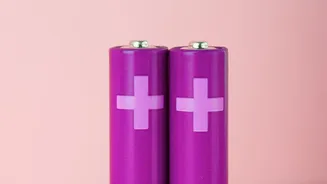
Imagine a battery that is smaller, safer, charges faster, and lasts longer. That is the promise of solid-state technology. Unlike conventional lithium-ion batteries that use a liquid to move ions between the positive and negative ends, solid-state batteries use a solid electrolyte, typically made of ceramic or polymer materials. This fundamental change in design eliminates the need for flammable liquid, drastically reducing fire risk. This solid structure is not just safer, but also more efficient, paving the way for a host of other benefits that could revolutionise the EV industry.
The Real Prize: Cheaper Production
While the technology is advanced, the ultimate goal for many companies is to make solid-state batteries cheaper to produce at scale than their current lithium-ion counterparts. Innovations are focused on using more abundant and less toxic materials, simplifying the manufacturing process, and designing cells that are more compact. By removing components like the separator and extensive cooling systems required by liquid-based batteries, manufacturers can create lighter and more cost-effective packs. While today's prototypes are expensive, many in the industry believe that mass production, expected by the late 2020s, will bring costs down significantly.
More Than Just Price: A Better Ride
The benefits of solid-state batteries go far beyond the sticker price. They boast a higher energy density, meaning they can store more power in a smaller, lighter package. For a two-wheeler, this could translate to a much longer range without adding bulk, or maintaining the current range with a significantly lighter scooter that is easier to handle. Another major advantage is faster charging. Some prototypes have demonstrated the ability to charge from 10% to 80% in under 15 minutes. Finally, these batteries are expected to have a much longer lifespan, enduring more charge and discharge cycles before their performance degrades, offering better value over time.
The Impact on India's Roads
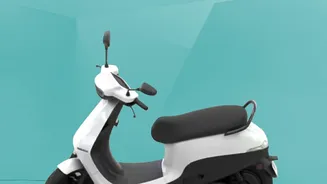
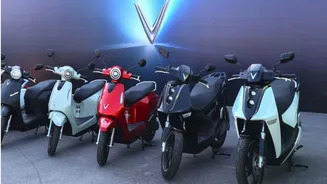
In a market dominated by two-wheelers, the arrival of affordable solid-state batteries could trigger an EV revolution. A cheaper, safer, and faster-charging electric scooter would be a compelling alternative to petrol-powered vehicles for daily commutes. Major Indian players like Ola Electric have already signalled their interest in developing solid-state technology to make their vehicles more affordable. A reduction in battery cost could bring entry-level electric scooters well below the psychological ₹1 lakh barrier, opening up the market to a vast new segment of customers and accelerating India's transition to sustainable transport.
The Road Ahead: Patience is Key
Despite the immense promise, it's important to be realistic about timelines. Solid-state technology is still largely in the research and development or pilot production phase. Experts note that scaling up from a lab prototype to mass commercial production is a massive industrial challenge. While automakers and battery companies globally are racing to be the first to market, consumers are unlikely to see solid-state batteries in affordable, mass-market two-wheelers for at least a few more years, with some projections pointing toward 2027-2028 for wider availability.