
What is Salt Energy Storage?
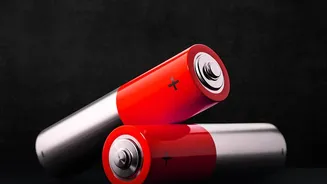
When we talk about 'salt energy storage' in the context of electric vehicles, we're primarily referring to sodium-ion batteries. This technology operates on similar principles to the lithium-ion batteries currently powering most EVs and smartphones. However,
instead of using lithium ions to carry and store an electrical charge, it uses sodium ions. Sodium, a key component of common table salt, is one of the most abundant and easily accessible elements on Earth, unlike lithium, which is concentrated in a few specific regions globally.
The Core Advantage: A Significant Cost Reduction
The primary driver behind the excitement for sodium-ion technology is cost. Lithium is often called 'white gold' for a reason; its demand has surged, leading to volatile pricing and supply chain vulnerabilities. India, in particular, relies heavily on imports for lithium-ion cell components. Sodium, on the other hand, is significantly cheaper and more readily available. This abundance can drastically reduce the raw material cost of the battery, which is the single most expensive component in an electric scooter, often accounting for 40-50% of its total price. By localising the sourcing of battery materials, manufacturers can further reduce costs and dependence on international markets.
A Perfect Match for Indian Scooters?
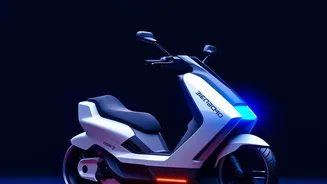
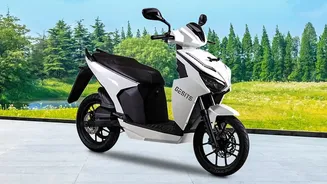
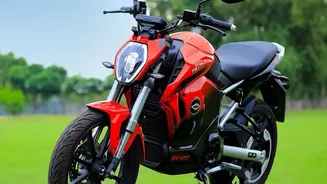
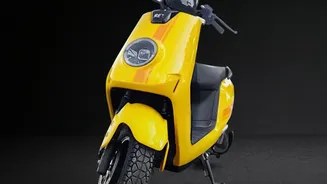
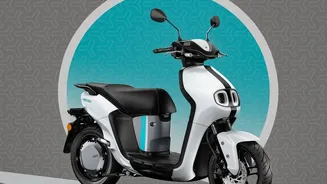
Sodium-ion batteries do have trade-offs. Their main challenge is lower energy density, meaning they are generally heavier and bulkier than a lithium-ion battery of the same capacity. For a high-performance electric car requiring a long range, this can be a deal-breaker. However, for the typical Indian electric scooter used for daily city commutes, the equation changes. Many users travel relatively short distances and prioritise affordability over a massive range. A slightly heavier battery is an acceptable compromise if it leads to a substantial price drop. Furthermore, sodium-ion technology shows better performance and safety in a wide range of temperatures, a key advantage in India's diverse climate. They also demonstrate benefits like faster charging and the ability to be safely transported at zero volts.
Indian Companies Leading the Charge
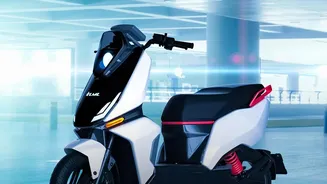
This isn't just a theoretical concept; Indian companies are actively developing this technology. Pune-based firms like KPIT Technologies and the startup Rechargion (a spin-off from the National Chemical Laboratory) are at the forefront. KPIT has already unveiled its proprietary sodium-ion battery technology developed in collaboration with IISER, Pune. Rechargion's cells have reportedly passed validation testing by the Automotive Research Association of India (ARAI), a crucial step towards commercialisation. Nashik-based manufacturer Jitendra New EV Tech has also announced plans to launch electric two-wheelers powered by sodium-ion batteries by early 2026, showcasing a clear path from lab to road.
The Road Ahead: Challenges and Timelines
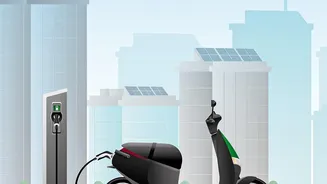
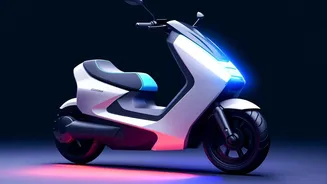
Despite the promise, widespread adoption won't happen overnight. The primary challenge is scaling up manufacturing to compete with the well-established lithium-ion ecosystem. While the raw material is cheap, creating the industrial infrastructure for mass production requires significant investment. The lower energy density also means that for now, this technology is best suited for entry-level, city-focused two and three-wheelers rather than high-performance models. However, with companies targeting launches within the next two years, the first wave of more affordable, salt-powered electric scooters could soon be a reality on Indian roads, potentially bringing the price point low enough to compete directly with their petrol counterparts.