


More Than a Meal
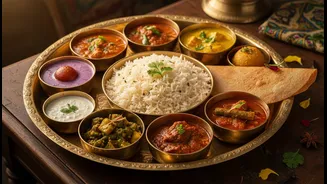
For decades, the Indian restaurant experience, both at home and abroad, was often predictable. Menus felt laminated in time, offering a familiar roster of dishes that became shorthand for a subcontinent's vast culinary diversity. But a new chapter is unfolding.
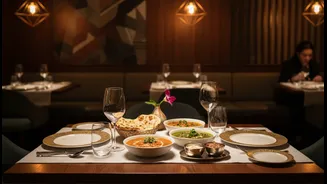
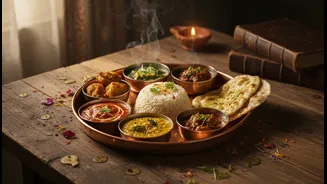
A growing number of chefs and restaurateurs are moving beyond the transactional nature of simply serving food. They are becoming culinary storytellers, transforming their restaurants into living archives of personal history, regional pride, and cultural identity. Dining is no longer just about consumption; it has become a narrative experience, an invitation to taste a legacy. This shift is about transporting the diner to a dish's origin, sharing its cultural significance, and celebrating the traditions behind it.
The Plate as a Page
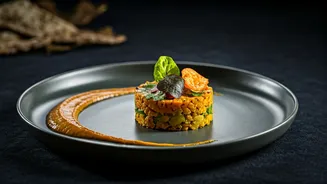
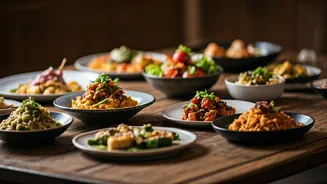
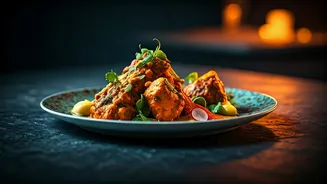
This trend is being led by a new generation of chefs who are confidently reclaiming their heritage. At restaurants like Trèsind Studio in Dubai and Masque in Mumbai, chefs are digging deep into India's 28 states, exploring tribal cuisines and highlighting forgotten ingredients. The menu becomes a canvas for storytelling. A dish might represent a childhood memory, a family recipe passed down through generations, or the history of a trade route. Chef Vikas Khanna's New York restaurant, Bungalow, for example, was created to be a living archive of India, using forgotten recipes and ceremonial hospitality to evoke emotional truth rather than mere performance. Similarly, a menu might focus on foraged ingredients from a specific region or revive ancient grains like millets, connecting the diner to the land and its history.
Why Now? A Recipe of Confidence and Curiosity
Several factors are fueling this movement. Firstly, there is a newfound confidence among Indian chefs. A generation ago, many felt pressured to dilute flavours to gain acceptance. Today, they are presenting authentic, hyper-regional food without apology. Secondly, the global diner has changed. People are more travelled, more curious, and more interested in the stories behind their food. They want to know where ingredients come from and the history of a particular cooking technique. Finally, social media has become a game-changer. Platforms like Instagram and YouTube allow chefs to share the stories behind their dishes through compelling visuals and personal anecdotes, building a community beyond the dining table and giving regional cuisines a much-deserved spotlight.
The Future of Flavour
This narrative-driven approach is more than just a passing trend; it represents a fundamental shift in how Indian cuisine is perceived and valued. It moves the conversation beyond stereotypes and acknowledges the cuisine's complexity and depth. For restaurants, investing in storytelling builds customer trust and creates a more resilient brand. As this movement grows, the future may lie in even more immersive experiences. Some experts predict augmented reality menus that explore a dish's history or live streams from kitchens connecting diners even more deeply to the food and its creators. This evolution ensures that Indian food is not just about preserving the past but also about innovating for the future, blending authenticity with new techniques to keep the culinary narrative vibrant and exciting.