

Why Separation is Non-Negotiable
The single most important rule of fridge organisation is to prevent cross-contamination. This happens when harmful bacteria from raw foods spread to ready-to-eat items. The main culprit is often the juices from raw meat, poultry, or seafood, which can
drip onto other foods. The FSSAI warns that this is one of the biggest food safety mistakes, as these drips can easily contaminate fruits, vegetables, and leftovers without you even noticing. Keeping different food types in their designated zones, especially keeping raw items separate and below cooked ones, is your best defence against this invisible threat.
Understanding Your Fridge’s Climate
Not all parts of your fridge are the same temperature. Cold air sinks, making the bottom of the fridge the coldest area, while the door is the warmest due to constant opening. For food to be safe, your fridge's overall temperature should be at or below 4-5°C. Bacteria that cause food poisoning multiply rapidly in the 'danger zone' between 5°C and 60°C. Using a fridge thermometer can help you ensure your appliance is maintaining a safe temperature, as the built-in dials aren't always accurate. Knowing this temperature map is key to storing everything correctly.
Top and Middle Shelves: The Ready-to-Eat Zone
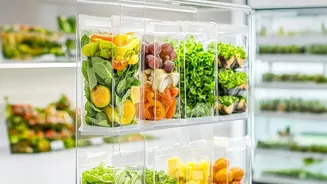
The top and middle shelves have the most consistent temperatures and should be reserved for foods that are ready to eat. This includes leftovers, cooked meats, dairy products like milk and yogurt, and other pre-prepared foods. Storing these items high up ensures that nothing can drip onto them from above. Keep leftovers in clear, sealed containers so you can see what you have. It’s also a good spot for eggs, which are best stored in their original carton on a middle shelf rather than the door, where temperatures fluctuate.
The Bottom Shelf: The Raw Food Zone
This is the most critical zone in your fridge. Being the coldest part, the bottom shelf is the ideal storage place for raw meat, poultry, and fish. Always store these items in sealed, leak-proof containers or on a plate with a raised edge to catch any potential drips. This simple practice is the most effective way to prevent juices from contaminating other foods stored below. Remember the golden rule: raw foods always go at the bottom, safely away from everything else. Raw chicken, for example, should be used within one to two days of purchase or frozen.
Crisper Drawers: For Fruits and Vegetables
The enclosed drawers at the bottom of your fridge are designed to maintain a different level of humidity, perfect for most fruits and vegetables. Keep your produce in these drawers to maintain freshness. It's wise to keep fruits and vegetables separate if your fridge has two drawers, as some fruits release ethylene gas that can cause vegetables to spoil faster. Make sure to wash produce just before you use it, not before you store it, as excess moisture can promote mould growth.
The Door: Condiments and Preservatives Only
The refrigerator door is the warmest part of the fridge, making it unsuitable for perishable items like milk or eggs. Its temperature fluctuates every time you open it. This area should be reserved for foods that have natural preservatives, such as condiments, jams, pickles, and sauces. Bottled water and juices are also fine to store here. Storing less-perishable items in the door ensures they stay safe while freeing up valuable space on the main shelves for more sensitive foods.