






The Monsoon's Fury on a Delicate Crop
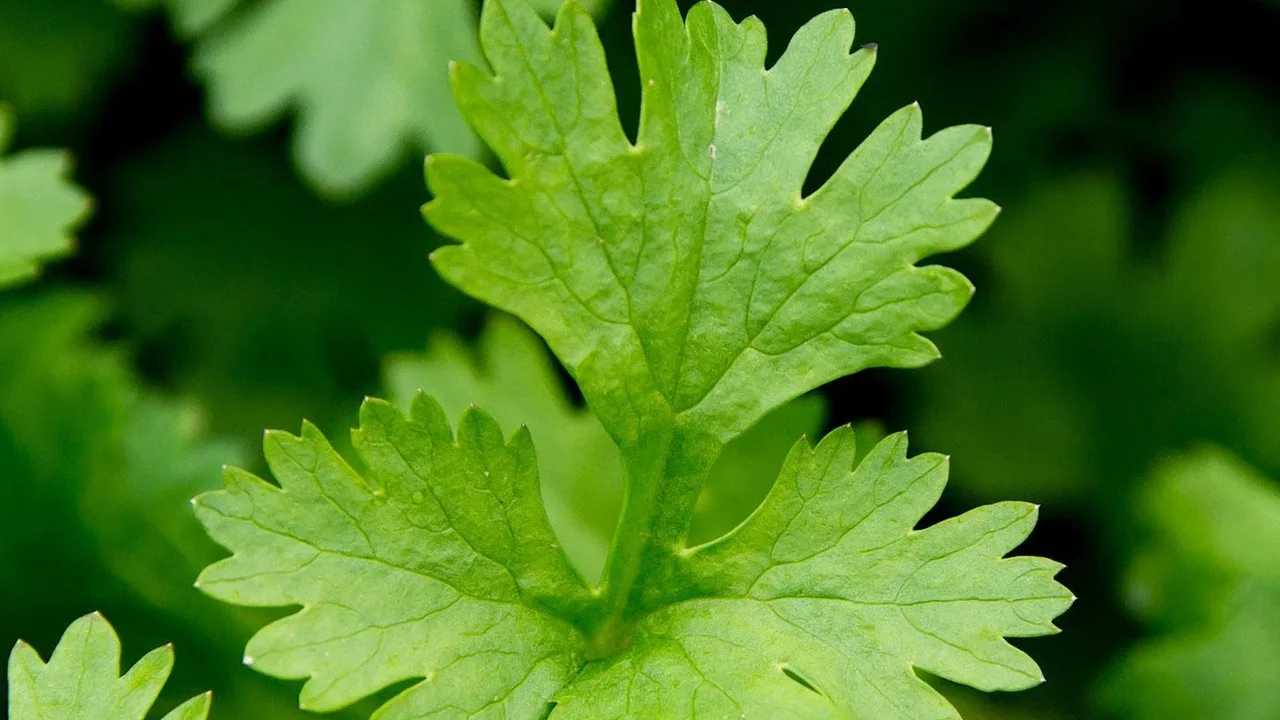
The primary culprit behind the price surge is the intense and erratic monsoon rainfall. Coriander is a delicate leafy green, highly susceptible to damage from heavy downpours. This year, key growing regions like Nashik in Maharashtra have been battered
by excessive rain, leading to waterlogged fields and significant crop damage. When standing crops are submerged or pelted by continuous rain, they begin to rot, drastically reducing the volume of healthy, usable produce that farmers can harvest. This makes high-quality coriander, which can survive transportation, much harder to source.
A Squeeze in the Supply Chain
Even the crops that survive the rain face a perilous journey to your local market. The monsoon creates significant logistical hurdles. Waterlogged roads and damaged transport links disrupt the movement of produce from farms to wholesale markets, known as mandis. Trucks get delayed, and the longer the transit time, the higher the spoilage for a perishable item like coriander. This disruption creates a bottleneck, where less produce reaches major distribution hubs like Delhi's Azadpur mandi. This scarcity directly translates to higher wholesale prices, which are then passed on to retailers and, ultimately, consumers. For context, wholesale prices that are normally around ₹25 per kg at this time of year have spiked to as high as ₹175-₹200 per kg in recent weeks.
Demand Remains High
While the supply side takes a major hit, the demand for coriander in Indian households and restaurants remains constant. It's a non-negotiable garnish and flavour base for countless dishes, from dals and curries to chutneys. Unlike some seasonal vegetables, consumers seek it year-round. This imbalance—a sharp drop in supply against unwavering demand—is a classic recipe for a price hike. Vendors who once gave it away for free now have to pay a premium for it at wholesale markets, a cost they are forced to pass on. The result is retail prices crossing the ₹200 per kg mark in several cities.
It's Not Just Coriander
This price pressure isn't limited to just dhaniya. The same weather and supply chain issues are affecting other essential aromatics like ginger and garlic, which have also seen significant price jumps. These ingredients form the flavour base of everyday Indian cooking, and their combined price increase is contributing to broader food inflation. This monsoon, the pressure on household budgets is coming from these smaller, essential items rather than just the usual suspects like onions or tomatoes, complicating the food price situation across the country.
What Can You Do About It?
While you can't control the weather, you can make smarter choices as a consumer. Try buying coriander in smaller, more frequent batches to avoid waste, as it has a short shelf life, especially in humid weather. To make it last longer, try wrapping the stems in a damp paper towel and storing it in an airtight container in the refrigerator. Some have also turned to growing a small pot of coriander on their balconies or windowsills. It’s a relatively easy plant to grow from seeds and can provide a fresh, albeit small, supply for your daily needs, helping you navigate the temporary price surge without giving up on the essential flavour it provides.