




Where the Clouds Meet the Road
Forget manicured trails and signposted treks. The most enchanting walk of the season happens on a stretch of asphalt that winds its way through the Western Ghats: Malshej Ghat. Situated about 130 kilometres from Mumbai and 120 from Pune, this mountain
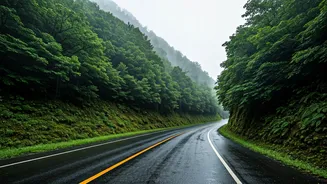
pass becomes an otherworldly spectacle during the monsoon. The magic isn't found at a specific viewpoint, but in the journey itself. As you drive up, the world outside your window dissolves into a canvas of milky white fog. The temperature drops, and the air becomes thick with moisture. This isn’t just weather; it’s an atmosphere. The ghat road, often shrouded in low-hanging clouds, feels less like a highway and more like a path through the sky.
A Walk of a Thousand Waterfalls
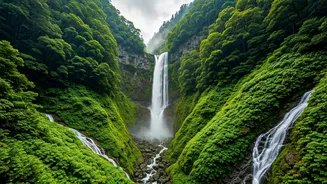
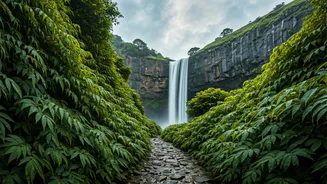
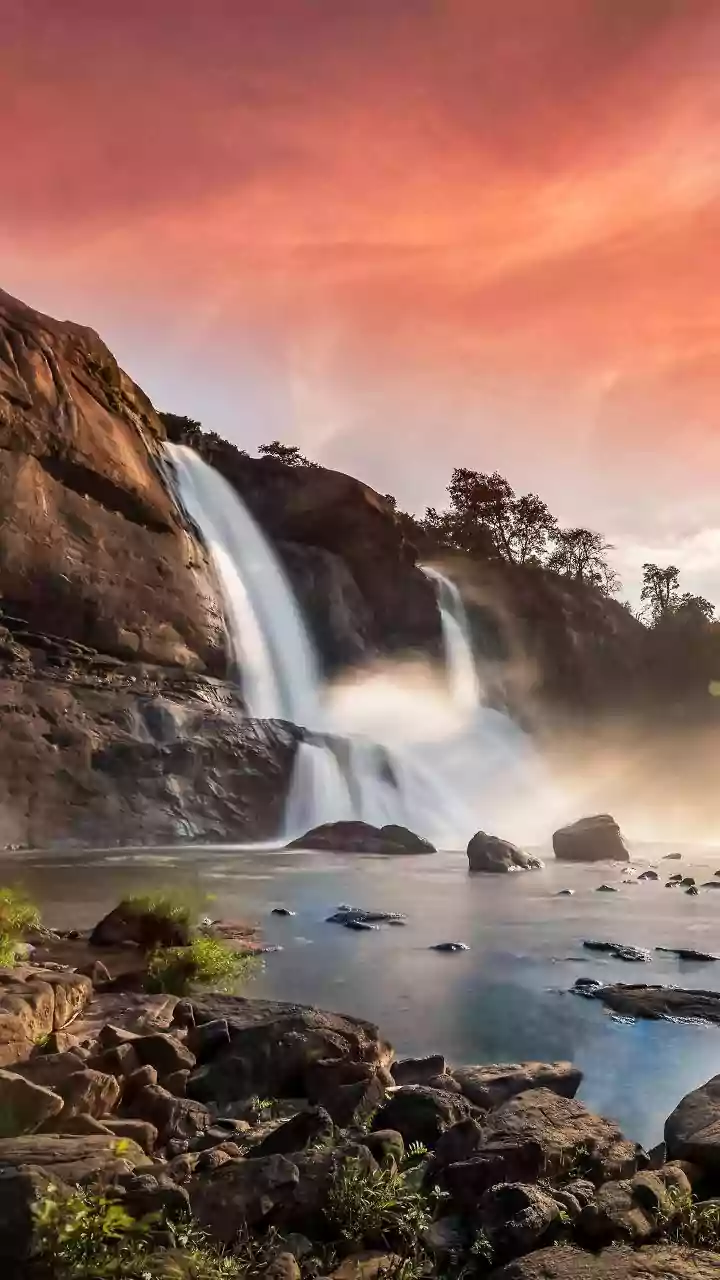
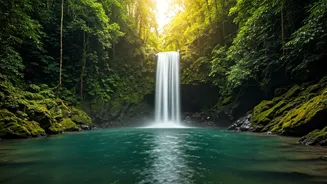
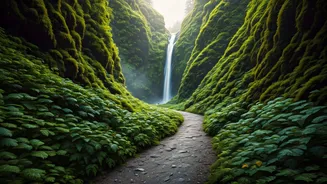
The 'walk' begins the moment you find a safe spot to park your car and step out. The road through Malshej Ghat is flanked by dozens, sometimes hundreds, of temporary waterfalls. They are born from the relentless rain, gushing down the dark, moss-covered rock faces. Some are gentle trickles, while others cascade directly onto the road, creating impromptu car washes and forcing motorcyclists into a sudden, drenching embrace. This is the heart of the experience: walking along the road, with the valley hidden by a curtain of mist on one side and an endless procession of waterfalls on the other. Strong winds sometimes create the famous 'reverse waterfalls,' where water is blown upwards, defying gravity in a mesmerising spray. It’s a sensory overload in the best possible way—the roar of the water, the cool mist on your skin, and the breathtaking sight of nature’s raw power.
Planning Your Monsoon Pilgrimage
Getting to Malshej Ghat is a straightforward drive, but timing is everything. To truly soak in the magic, aim for a weekday. Weekends during peak monsoon (July and August) see a massive influx of tourists, leading to traffic snarls that can dilute the serene experience. Start early from Mumbai or Pune to beat the rush. There’s no specific 'starting point' for the walk; the entire 15-kilometre stretch of the ghat is the destination. Find a safe, designated spot to park away from sharp turns and waterfalls, and begin your stroll. The area is managed by the forest department, and while entry is generally open, it's wise to respect the environment and avoid littering. Pack light, but pack smart.
What to Wear and Carry
Dressing for Malshej is simple: prepare to get wet. Forget heavy raincoats; opt for lightweight, quick-drying clothes. A good pair of waterproof sandals or floaters with a strong grip is essential, as the roads can be slippery. Avoid sports shoes, which will get waterlogged and heavy. Carry a sturdy umbrella, but be prepared for the wind to make it more of a liability than an asset. A waterproof bag for your phone, wallet, and camera is non-negotiable. While you'll find vendors selling roasted corn (bhutta) and chai—essential parts of the monsoon experience—it's a good idea to carry your own water bottle and some snacks, as options are limited and scattered.
A Crucial Note on Safety
The beauty of Malshej Ghat in the monsoon comes with inherent risks. The area is prone to landslides, and authorities may close the ghat to traffic during periods of extremely heavy rainfall. Always check the latest weather alerts and road conditions before you travel. Drive slowly and with extreme caution, as visibility can drop to near zero in seconds. When walking, stick to the side of the road and be hyper-aware of traffic. Never stand directly under a large, forceful waterfall or on the edge of the valley. The 'magical' experience should be memorable for the right reasons, so prioritise safety above all else.