



Planning Your Monsoon Route
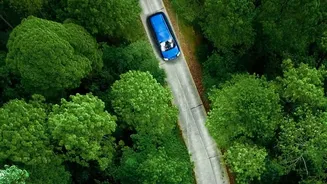
The drive from Bangalore to Agumbe spans approximately 350 to 380 kilometres and typically takes seven to eight hours. The most common and scenic route runs via Hassan, Belur, and Thirthahalli (NH-75 and NH-169). This path offers smooth tarmac for a significant
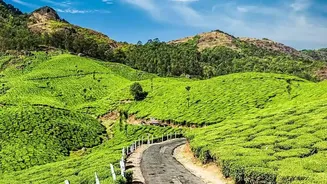
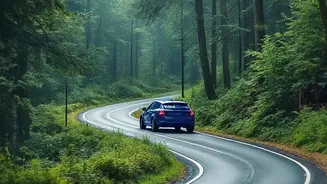
portion of the journey before transitioning into the winding ghat roads that require careful navigation. An alternative route through Chikmagalur is slightly longer but rewards drivers with stunning views of the Malnad region's coffee estates. Regardless of the path chosen, the final stretch into Agumbe involves navigating the famous ghat section, known for its hairpin bends. During the monsoon, this section demands cautious and patient driving. It's advisable to start early from Bangalore to avoid city traffic and to complete the ghat section drive in daylight.
The Agumbe Ghat Driving Experience
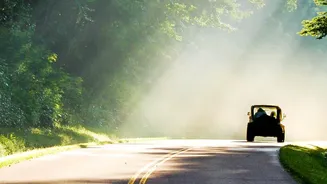
Driving the Agumbe Ghat road during the monsoon is an experience in itself. With numerous sharp hairpin bends, the road narrows and climbs into a landscape often thick with fog, drastically reducing visibility. Drivers should use low gear on descents, honk on blind turns, and maintain a moderate speed to prevent skidding on slippery surfaces. Due to the risk of landslides, authorities often prohibit heavy vehicle movement on this stretch (NH-169A) during peak monsoon months, which can make the drive smoother for cars but also highlights the need for caution. Always check for local traffic advisories before starting your journey, as road closures can occur. Patchy mobile network coverage is common, so downloading offline maps is a practical necessity.
Capturing the Scenery: Monsoon Photography
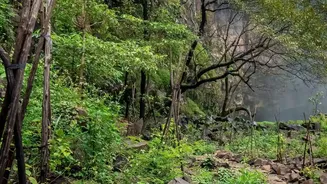
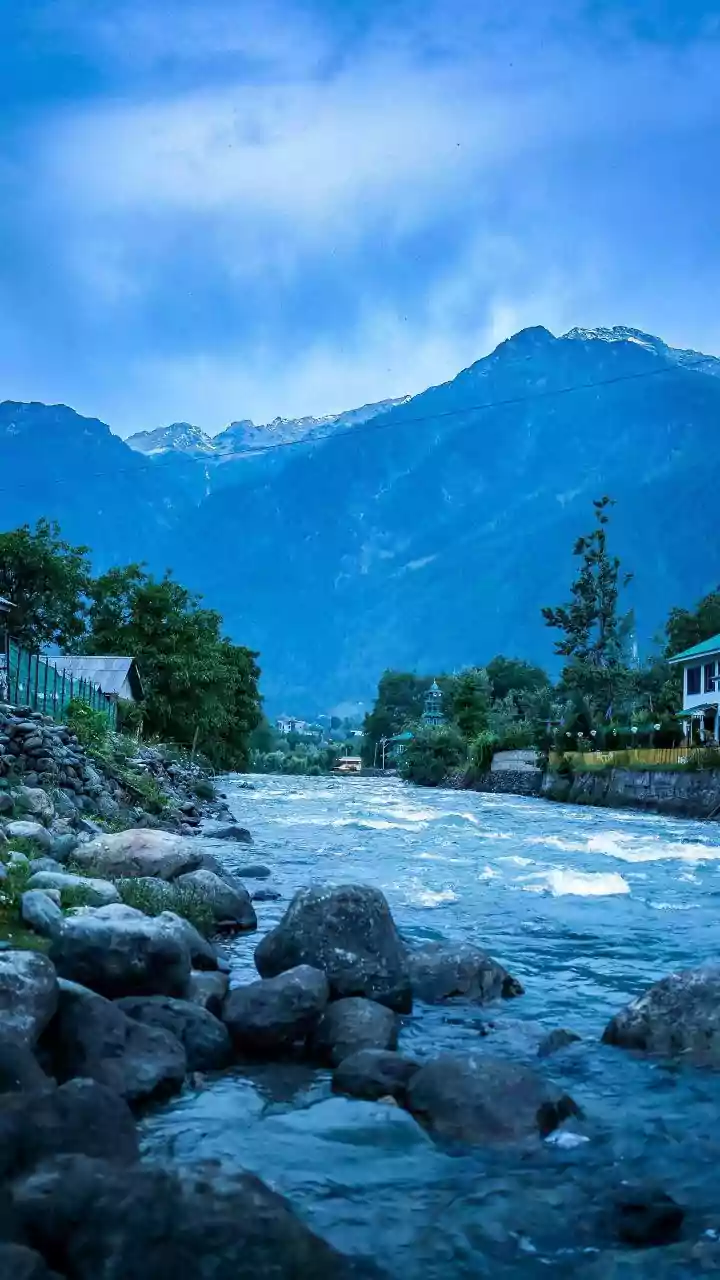
Agumbe's monsoon atmosphere is a photographer's dream, filled with mist, vibrant greens, and overflowing waterfalls. To capture its essence, focus on the mood. Use a fast shutter speed (like 1/500s) to freeze individual raindrops or a slower speed (around 1/60s) on a tripod to create a silky effect for waterfalls. The heavy mist, especially in the early morning, acts as a natural diffuser for soft, even light. Key subjects include the dramatic cloud movements, water droplets on lush foliage, and reflections on wet roads. Protecting your gear is crucial; a waterproof camera cover or bag is non-negotiable. Also, carry microfiber cloths to wipe your lens, as it will fog up when moving between your car and the humid outdoors.
Essential Viewpoints and Stops
While the famous Agumbe Sunset View Point might not offer its signature sunset during the cloudy monsoon, it provides breathtaking panoramic views of the mist-covered valleys. The real monsoon attractions are the waterfalls, which are in their full glory. Onake Abbi Falls, Barkana Falls, and Jogi Gundi Falls are popular treks, though access can be restricted during heavy rains for safety, so it's wise to check with the local forest department. A drive to Kundadri Hill offers another vantage point for sweeping views of the rainforest. For a touch of nostalgia, visit Doddamane, the heritage house where the iconic TV series 'Malgudi Days' was filmed.
What to Pack and Where to Stay
For a monsoon road trip to Agumbe, pack waterproof jackets, quick-dry clothing, and sturdy footwear with good grip for slippery trails. An umbrella is essential, as are insect repellent and a basic first-aid kit. In the forest, be prepared for leeches; carrying salt or a leech-repellent balm is advisable. For your vehicle, ensure the tyres, brakes, and wipers are in excellent condition. Accommodations in Agumbe are limited, consisting mainly of homestays that offer an authentic Malnad experience and cuisine. It is highly recommended to book your stay well in advance, especially for a weekend trip during the monsoon season. Options like Doddamane offer a unique cultural stay.