





Beyond the Usual Grain
For most of us, rice is a simple, comforting staple. It's the canvas upon which we paint the vibrant flavours of Indian cuisine. Yet, we often limit our palettes to just one or two types of grain, overlooking a staggering diversity that exists across
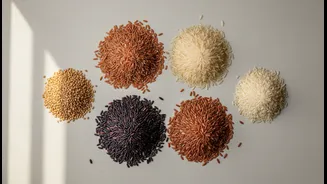
the country. India was once home to an estimated 100,000 varieties of rice, each with a unique aroma, texture, and taste. Many of these heirloom varieties are not just ingredients; they are stories of a region's soil, climate, and culinary traditions. A weekend cooking reset isn't about abandoning your favourite dishes, but elevating them by exploring the incredible world of regional Indian rice. It’s a small change that can transform your meals from routine to remarkable, connecting your kitchen to the fields of Bengal, Maharashtra, Kerala, and beyond.
The Aromatic Gobindobhog of Bengal
Step into a Bengali kitchen, and you’re likely to be greeted by the buttery, sweet aroma of Gobindobhog. This short-grained, sticky rice is the heart of many beloved dishes from the region. Its name is tied to tradition and offerings, and its culinary uses are just as cherished. Unlike the long, separate grains of Basmati, Gobindobhog cooks up soft and slightly sticky, making it the perfect choice for creamy, comforting dishes. For a truly authentic weekend meal, try using it to make a soul-soothing khichuri, a simple dish that allows the rice’s natural fragrance to shine. It’s also the go-to grain for Payesh (rice pudding), where its texture and flavour create a dessert that is rich, creamy, and unforgettable. By swapping your usual rice for Gobindobhog, you’re not just cooking; you’re partaking in a rich culinary heritage.
The Fragrant Ambemohar from Maharashtra
The name 'Ambemohar' translates from Marathi to 'mango blossom,' a poetic nod to this rice's incredible fragrance. Grown in the foothills of the Western Ghats, this short-grained rice has been a favourite in Maharashtrian households for generations. When cooked, the grains tend to stick together and become soft, making them ideal for specific preparations. While it might be too soft for a biryani, it excels in traditional dishes like Masale Bhaat or a simple Varan Bhaat, where its fragrant qualities can be fully appreciated. Its easy digestibility and soft texture also make it a popular choice for 'Bhatachi Pej,' a rice and milk soup often given to children and the elderly. Using Ambemohar for your weekend cooking is an invitation to explore the subtle, aromatic side of Indian cuisine.
The Robust Matta Rice of Kerala
Venture south to Kerala, and you'll find a rice that is bold in both colour and character: Kerala Matta. Also known as Rosematta rice, this parboiled red rice is known for its earthy flavour and distinct plump grains. Its reddish-brown colour comes from the bran layer, which is retained during the parboiling process, making it a nutritious option rich in fibre. Cooking Matta rice requires a bit more water and time compared to white rice, but the result is a wonderfully firm and flavourful grain that doesn't turn mushy. It is the perfect companion for the bold and spicy curries of Kerala, as its robust texture holds up beautifully against gravies. Serve it with a fiery fish curry or a hearty stew for a weekend meal that is both rustic and deeply satisfying.
The Striking Chak-Hao from Manipur
For a truly dramatic and delicious reset, look to the Northeast and discover Chak-Hao, the Manipuri black rice. Once known as 'forbidden rice' because it was reserved for royalty, this variety is now celebrated for its stunning deep purple-black hue, nutty flavour, and chewy texture. Rich in antioxidants, it offers a nutritional boost alongside its unique taste. While it can be used in savoury dishes, Chak-Hao truly shines in desserts. The most famous preparation is Chak-Hao Kheer, a beautiful purple-hued pudding that is both visually stunning and delicious. The rice needs to be soaked for a few hours before cooking, but the effort is rewarded with a creamy, aromatic dessert that will be the talk of your weekend dinner table.