

More Than Water and Power
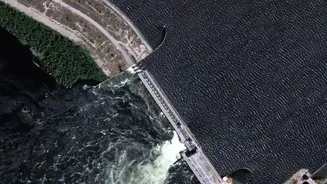
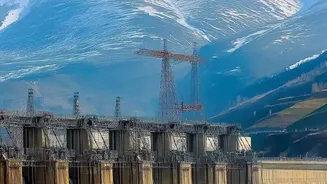
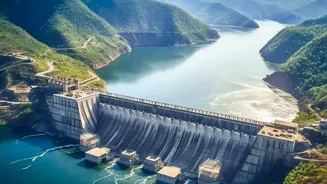
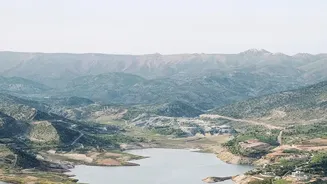
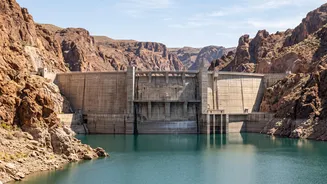
On the surface, Iran's aggressive dam-building campaign, which has created over 500 dams, is about managing a scarce water supply and generating hydroelectric power for a nation often facing shortages. However, a recent convergence of events has led analysts
to look closer. Following a series of US and Israeli airstrikes on suspected Iranian military sites in 2026, researchers noticed a striking geographic overlap: many of the targeted locations were in close proximity to major dams and water transfer projects. This correlation has fueled a hypothesis that these civilian projects may have a dual use, providing essential, independent resources to some of Iran's most sensitive military assets.
The Logic of Proximity
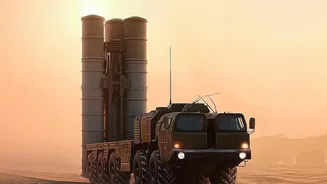
For military planners, the logic is sound. Fortified, underground military complexes, which Iran refers to as 'missile cities', require a steady and secure supply of water for cooling and other industrial processes, as well as a reliable power source. Placing these bases near a large dam provides both. A former Israeli military intelligence analyst noted this gives Tehran 'operational continuity,' ensuring that its key military facilities are not dependent on the national grid, which could be a vulnerable target during a conflict. While the theory remains speculative, a number of water and military experts agree that it aligns with Iran's long-term strategic doctrine of embedding critical assets to ensure their survival.
A Pattern of Puzzling Projects
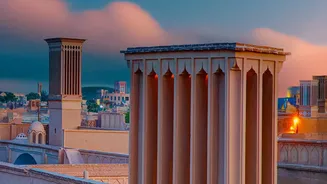
The theory is bolstered by the existence of numerous water projects whose civilian justifications have long puzzled environmental experts. For example, a massive and costly project to transfer water from the Zagros Mountains to the central province of Yazd drew scrutiny. After reports of a major missile facility near Yazd being targeted in strikes, some experts began to suspect the water project's rationale may have been influenced by military needs. Similarly, the heavy involvement of the Islamic Revolutionary Guards Corps (IRGC) in constructing many of these dams, such as the massive Karkheh Dam, adds another layer to the argument. The IRGC's engineering division not only builds the dams but can also use these projects as a cover to insert personnel and conduct other operations.
A Dual-Use Controversy
The suggestion that civilian infrastructure is being used for military purposes is highly controversial and has been forcefully rejected by Iranian officials. They argue that the analysis is a pretext by the US and Israel to justify future attacks on critical infrastructure. Iran's Parliament Speaker, Mohammad Bagher Ghalibaf, retorted that by the same logic, any power plant or port near a US or Israeli base could also be considered 'dual-use' and therefore a legitimate target. Critics of the theory also point out that most of Iran's dams do not generate electricity and that their placement in mountainous regions naturally overlaps with the ideal locations for fortified underground bases. Others suggest the extensive dam construction is driven more by vested interests of construction firms connected to the IRGC.
A Shield or a Target?
This strategic proximity creates a complex dilemma. On one hand, it could serve as a deterrent. The catastrophic civilian and environmental damage that would result from a successful attack on a major dam might make an adversary think twice before targeting a nearby military facility. On the other hand, it turns the dam itself into a high-value target. Crippling a dam could effectively neutralize the military base it supports by cutting off its power and water. This makes the dual-use strategy a double-edged sword, offering both protection through deterrence and a single point of catastrophic failure. The debate highlights the blurred lines between civilian and military infrastructure in modern conflict.