





The End of the Autopilot Pantry
Traditional grocery shopping in India was once a masterclass in repetition. Families bought the same brand of atta, salt, and oil for years, driven by a mix of familiarity, trust, and limited choice. This 'habit buying' created a predictable pantry, where
brand loyalty was passed down through generations and purchasing decisions were made almost unconsciously. The primary drivers were often price and availability at the local kirana store. However, this long-standing model is now being disrupted. A confluence of factors, from increased health awareness to a digital explosion of choices, is encouraging consumers to pause and question what goes into their shopping carts. The autopilot is being switched off, replaced by a more intentional and discerning approach to stocking the kitchen.
A New Appetite for Health and Wellness
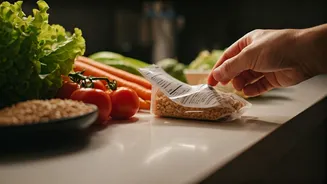
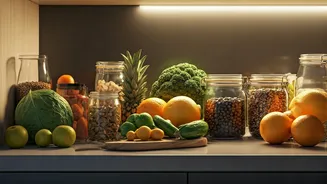
Perhaps the single biggest driver of this shift is a collective move towards healthier living. The pandemic accelerated an interest in immunity and preventative health, making consumers more critical of their diets. This has translated into a detailed scrutiny of food labels and a growing demand for products perceived as more natural or less processed. Many are now questioning the staples they grew up with, exploring alternatives like cold-pressed oils instead of refined versions, or swapping regular flour for healthier variants like whole wheat, millet, or protein-enriched atta. According to one report, nearly 88% of Indian households purchased a health product in the past year, with staples like atta, salt, and oil being the entry point for this change. This isn't a niche trend anymore; it's a mainstream movement towards making everyday meals more nutritious.
Digital Shelves and a World of Choice
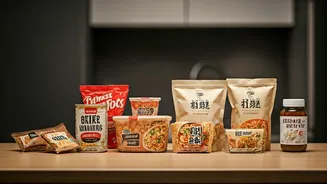
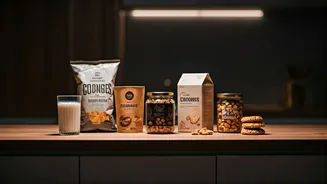
The rise of e-commerce, quick commerce apps, and direct-to-consumer (D2C) brands has completely redrawn the landscape of grocery shopping. Where a local store might stock a handful of brands, a digital platform offers a virtually endless aisle. This unprecedented access has made consumers more experimental. D2C brands, in particular, have flourished by telling compelling stories about their ingredients, sourcing, and production methods, building trust directly with shoppers. They offer everything from artisanal spices and regional specialities to innovative health foods that were previously unavailable. This digital marketplace empowers consumers to discover new products, compare options, and have them delivered in minutes or hours, making convenience a key factor in moving away from old habits.
From Price-First to Value-First
While price sensitivity remains a factor for Indian shoppers, the definition of 'value' is expanding. The decision is no longer solely about the lowest cost. A growing number of consumers are now willing to pay a premium for products that offer better quality, transparency, or specific health benefits. This is evident in the rising popularity of organic produce, premium private-label brands from retailers, and functional foods fortified with extra nutrients. The new value equation includes factors like where the food comes from, whether the ingredients are 'clean', and the story behind the brand. Consumers are making a trade-off, moving from a price-first to a value-first mindset, where the long-term benefit to their health and well-being is a crucial part of the calculation.
Rediscovering Tradition and Global Tastes
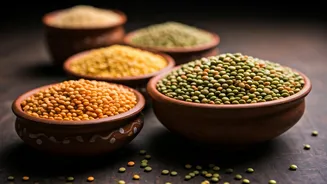
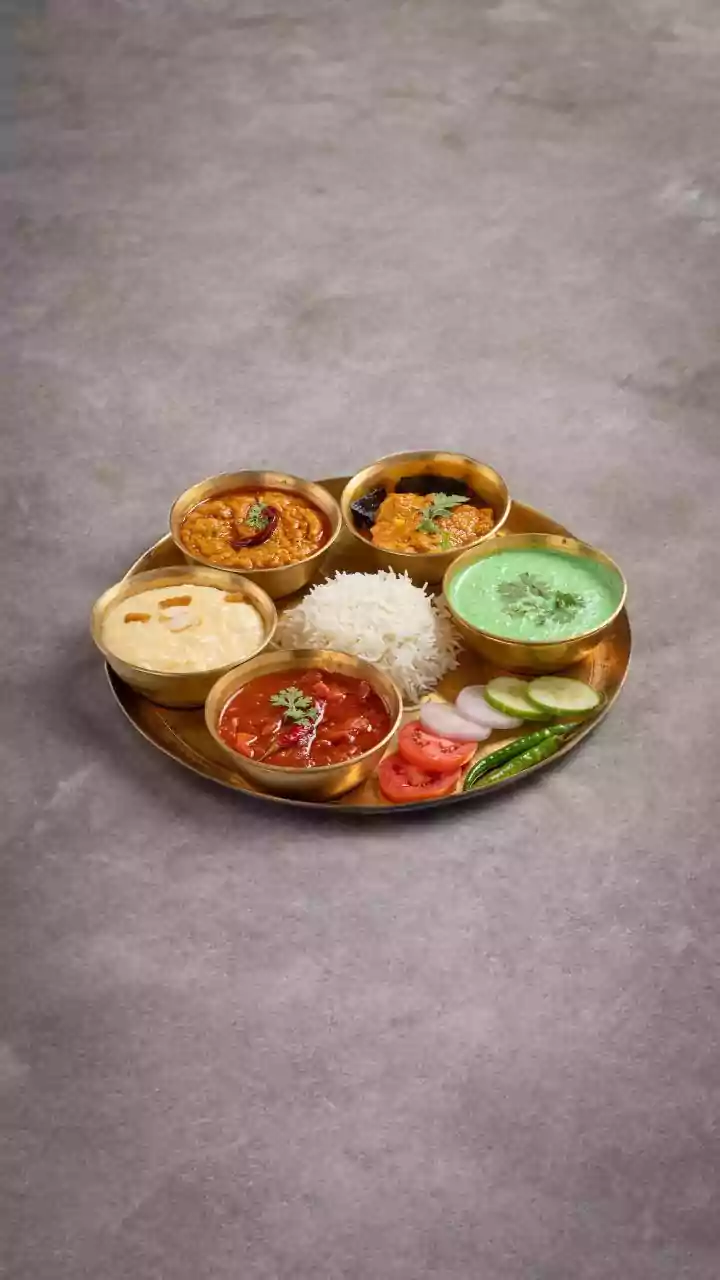
The modern Indian kitchen is a fascinating blend of the old and the new. While there's a growing curiosity for global cuisines and international ingredients, there is also a powerful movement to rediscover traditional Indian superfoods. Ancient grains like millets, ragi, and amaranth are making a major comeback, championed for their nutritional benefits. Ingredients like turmeric and moringa, long present in Indian homes, are now being appreciated in new, modern formats. This dual interest shows that consumers are not just abandoning tradition but are re-evaluating and enriching it. They are creating a hybrid food culture that embraces both a home-ground millet dosa and an imported quinoa salad, reflecting a more global, yet locally rooted, identity.