




The Great Urban Burnout
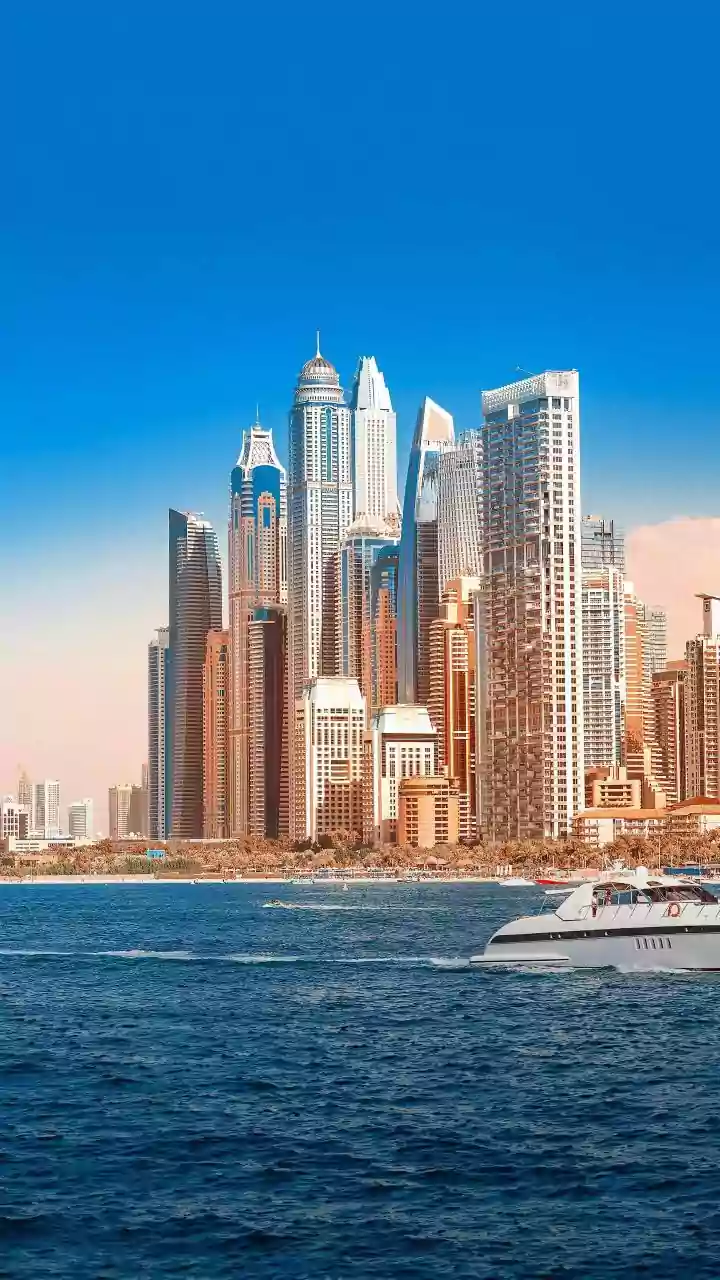
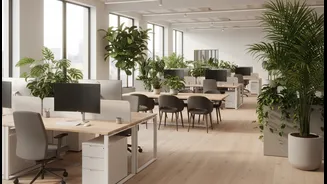
The daily grind in major metropolitan hubs like Mumbai, Delhi, and Bengaluru has become a significant 'push' factor for many young professionals. Long commutes, high rents, noise, pollution, and relentless work pressure contribute to a state of chronic
burnout. This has led many to question the trade-offs of city living. The shift to remote and hybrid work models, accelerated over the past few years, has provided a viable escape route. Rather than being tethered to an office, millions of workers in roles like IT, design, and content creation now have the flexibility to choose their location based on lifestyle rather than proximity to a corporate park. This freedom has made the prospect of a quieter, slower-paced life not just a dream, but an achievable reality.
The Allure of a Monsoon Mountain
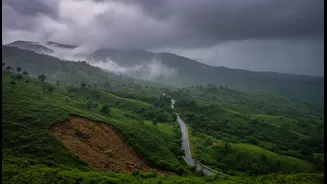
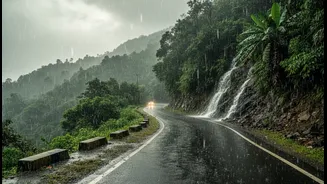
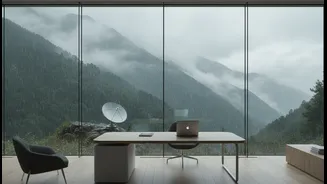
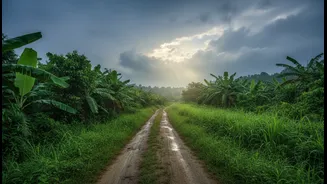
The monsoon season, traditionally an off-peak time for tourism, has a unique appeal for this new wave of remote workers. While city monsoons often mean waterlogging and traffic snarls, in the mountains, the season transforms the landscape into a lush, vibrant paradise. Destinations across Himachal Pradesh, Uttarakhand, and even the Western Ghats become draped in mist and shades of emerald green. For creative professionals and those seeking deep focus, the quiet, rain-washed environment can be incredibly restorative and inspiring. It offers a chance to reconnect with nature, swapping the sound of traffic horns for the sound of roaring waterfalls and the scent of wet earth.
The Satellite-Powered Game Changer
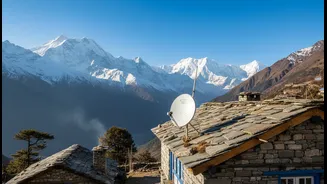
Until recently, the biggest barrier to working from remote mountain villages was unreliable internet. The dream of a Himalayan office often crashed against the reality of patchy connectivity. This is where technology, particularly satellite internet, has become a crucial enabler. While fibre optic networks have vastly improved in many hill towns like Manali and Dharamshala, satellite services are bridging the gap in more remote, off-grid locations. This ensures a stable enough connection for video calls, cloud-based work, and constant communication, making it possible to run a digital-first career from a location that was previously off-limits. This technological leap has single-handedly unlocked the potential for a true work-from-anywhere lifestyle.
A New Work-Life Equation
This trend is about more than just a change of scenery; it represents a fundamental shift in millennial priorities. There's a growing desire for better work-life balance, mental well-being, and experiential living over material accumulation. The 'workation' model allows professionals to maintain their careers and income while enjoying the benefits of travel and a healthier environment. Instead of taking short, frantic holidays, they integrate work into a longer stay, using evenings and weekends for trekking, exploring local cafes, or simply unwinding. This lifestyle also proves to be more affordable, with lower daily living costs and long-stay discounts available in many mountain towns compared to major cities.
Not Always a Paradise
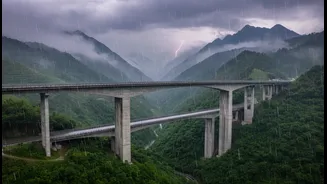
Despite the idyllic image, the mountain work-life is not without its challenges. The monsoon season, while beautiful, can bring landslides and road blockages, and internet connectivity, though improved, can still be inconsistent in many areas. Power cuts remain a reality, making backup systems a necessity. There is also a growing concern about the impact of this influx of temporary residents on local communities, from rising rents to cultural friction. These digital nomads often wrestle with questions of belonging and their responsibility to the places they temporarily inhabit. Health emergencies can also be more complicated to handle far from the comprehensive medical infrastructure of a big city.