



What Exactly is Moringa?
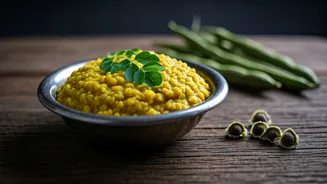
You might know it as ‘sahjan’ or the ‘drumstick tree’. Moringa oleifera is a fast-growing, drought-resistant tree native to the Indian subcontinent, and it has been a part of our traditional diets and Ayurvedic medicine for centuries. While we often use
its drumsticks in sambar and curries, the leaves are where the real nutritional magic lies. Often called the 'miracle tree', moringa has gained global fame as a superfood because its leaves are packed with an incredible density of vitamins, minerals, and plant compounds. From rural kitchens to urban health cafes, moringa is being rediscovered as a simple, accessible way to enrich our meals.
The 'Immunity Upgrade' Explained
The term 'immunity upgrade' can sound like a huge promise, so let's break down what it really means. A healthy immune system relies on a steady supply of specific nutrients, and moringa leaves are a fantastic source for many of them. They are exceptionally rich in Vitamin C, which is crucial for the function of various immune cells and enhances their ability to protect against infection. They also provide a significant amount of Vitamin A, which helps maintain the integrity of mucosal barriers in the respiratory and digestive tracts—our body's first line of defence. Furthermore, moringa is loaded with antioxidants like quercetin and chlorogenic acid. These compounds help fight free radicals in the body, reducing oxidative stress and inflammation, which in turn helps your immune system function more effectively. So, adding moringa isn't a magic pill, but a powerful way to supply your body with the building blocks it needs for robust immune health.
Fresh Leaves vs. Dried Powder
How you add moringa to your dal depends on what's available to you. Both fresh leaves and dried powder are excellent options, each with its own advantages.
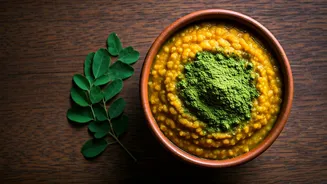
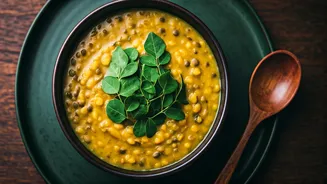
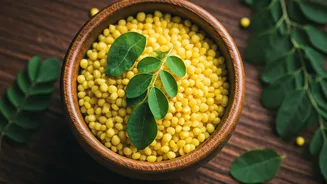
Fresh Moringa Leaves: If you have a tree nearby or can find fresh leaves at your local market, they are a wonderful addition. They have a mild, slightly earthy, spinach-like flavour. You should wash them thoroughly and add them towards the end of the cooking process, much like you would with spinach or methi, to preserve their delicate nutrients.
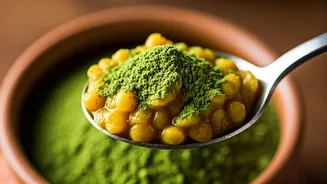
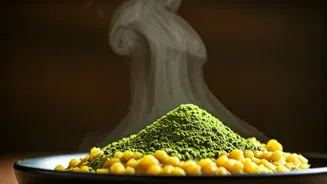
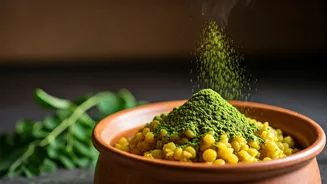
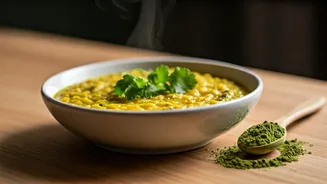
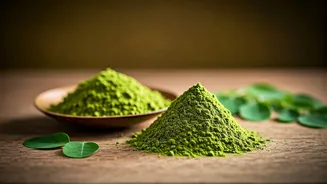
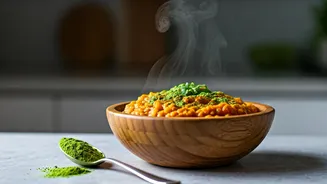
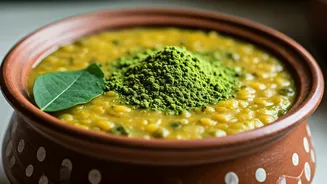
Moringa Powder: This is the most convenient option, especially for city dwellers. Made from dried and ground moringa leaves, the powder is highly concentrated. A little goes a long way. It has a more potent, 'green' flavour that can be slightly bitter if you use too much. The powder form is incredibly versatile and has a long shelf life, making it an easy pantry staple.
How to Add Moringa to Your Dal
Incorporating moringa into your dal is simple, but timing and quantity are key to getting it right without overpowering the dish.
For Fresh Leaves: Pluck the leaves from the stems and rinse them well. For a standard bowl of dal serving two people, a generous handful of leaves is enough. Add them in the last 5-7 minutes of cooking. This is just enough time to wilt them and meld their flavour into the dal without overcooking them and losing nutrients.
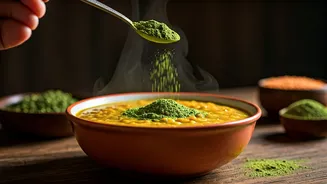
For Moringa Powder: Start small. For a pot of dal serving 2-3 people, begin with just half a teaspoon of moringa powder. The best time to add it is right at the end, after you've turned off the heat but before you add your tadka. Whisk it in thoroughly to prevent clumps. You can slowly increase the amount to one teaspoon once you get used to the taste. Adding it at the end ensures that the heat-sensitive vitamins are better preserved.
Best Dal Pairings and a Simple Tadka
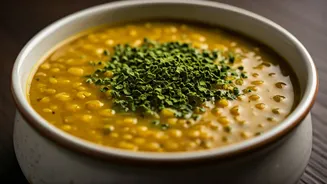
Moringa's earthy flavour pairs beautifully with most common dals. It works particularly well with the mildness of masoor dal (red lentil) and moong dal (split yellow lentil), as it adds a layer of complexity without clashing. It’s also excellent in a simple toor dal (split pigeon pea). The key is a good tadka to round out the flavours. A classic tempering of ghee, mustard seeds (rai), cumin seeds (jeera), a pinch of asafoetida (hing), and a dried red chilli complements the green notes of the moringa perfectly. Squeezing a bit of lemon juice into the dal just before serving can also brighten the flavours and enhance the absorption of iron from the moringa leaves.