

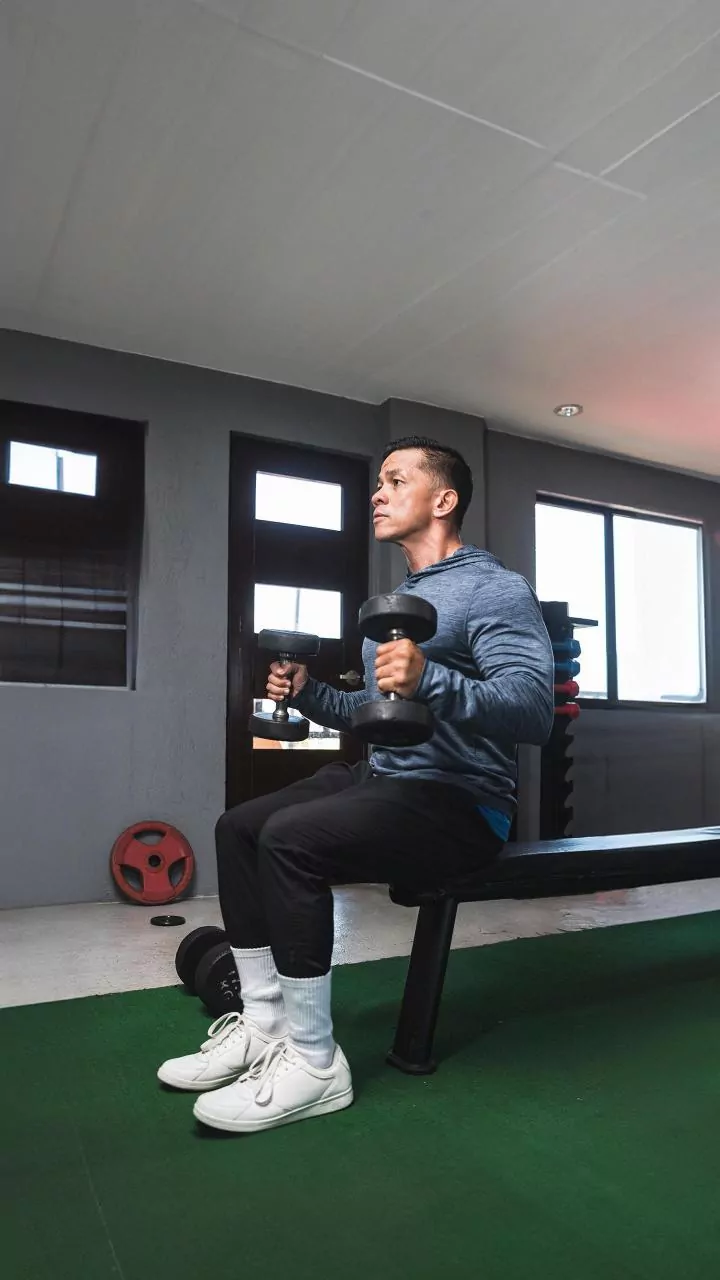






More Than Just Muscle
When we think of strength training, we often picture bulging biceps or impressive feats of power. But the most profound change isn't always the one we see in the mirror. It's the quiet, internal shift that happens when you consistently challenge your
physical limits. This process builds a unique kind of confidence rooted in self-efficacy—the belief in your own ability to succeed. This isn't abstract self-help; it's a tangible confidence earned through effort, and its effects ripple out into every corner of your life.
The Power of Progressive Overload
The foundational principle of strength training is progressive overload: the act of gradually increasing the demand on your muscles. One week you lift a certain weight for five reps, and a few weeks later, you lift a heavier weight for the same number. This simple, measurable progress is a powerful feedback loop for your brain. It teaches a fundamental lesson: consistent effort applied over time leads to tangible growth. This mindset directly transfers to other areas of life. A daunting project at work, a challenging conversation, or a new skill you want to learn all start to feel more manageable when you've repeatedly proven to yourself that you can handle increasing loads, both literally and figuratively.
Mastery, Not Perfection
Learning a complex movement like a squat or a deadlift requires focus, attention to detail, and body awareness. In a world of constant distraction, strength training demands that you be present. Mastering these movements provides a deep sense of competence. It’s a feeling of owning a skill. This isn't about being perfect from day one; everyone starts as a beginner. The journey from awkward novice to proficient lifter proves that you can improve and master new, difficult things. This builds a robust self-belief that you can apply when facing any new challenge that requires learning and adaptation.
Reframing Failure and Discomfort
In strength training, hitting a plateau or failing to complete a rep isn't a sign of defeat; it's simply data. It tells you where your current limit is, providing a clear path for what to work on next. This regular, low-stakes exposure to 'failure' changes your relationship with it. Instead of an endpoint, it becomes part of the process. This resilience is invaluable. When you’ve learned to stay calm and focused under a heavy barbell, you are better equipped to remain composed during a high-pressure meeting or a personal crisis. You learn to embrace discomfort as a catalyst for growth, not something to be feared or avoided.
Confidence in Your Own Skin
Beyond the mental fortitude, strength training cultivates a profound connection to your physical self. It's less about aesthetics and more about appreciating what your body can do. This shift in focus from appearance to capability often leads to a more positive body image. You begin to carry yourself differently, not just because your posture may have improved, but because you inhabit your body with a newfound sense of ownership and respect. This physical self-assurance translates into social confidence, helping you feel more grounded and present in any room you walk into.