



The Goldilocks Problem of Potting
When it comes to repotting, plants are a bit like Goldilocks—they need the depth to be just right. Planting a houseplant too shallowly can cause its root system to dry out and lose stability. The exposed top of the root ball can become scorched, and roots
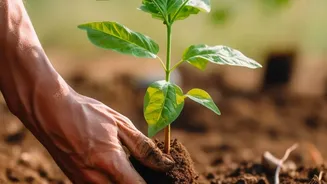
that need to be under the soil are left vulnerable. However, the more common and far more dangerous mistake is planting it too deep. Burying the plant's stem and crown—the area where the stem meets the roots—is a frequent cause of a plant's decline after being moved. While it might seem harmless to add a comforting blanket of new soil on top, doing so can suffocate your plant. Finding that perfect medium is the key to a smooth transition and a thriving plant in its new container.
Why Planting Too Deep Is a Recipe for Disaster
The main issue with burying a houseplant too deep is moisture and a lack of air. Plant stems are not designed to be underground. When buried, they remain consistently damp, creating the perfect environment for rot to set in at the base. This condition, known as stem rot or crown rot, is often fatal. The plant’s surface-level roots, which are responsible for absorbing oxygen, water, and nutrients, effectively suffocate when buried under excess soil. This lack of air circulation not only promotes rot but also invites pests. Fungus gnats and mealybugs thrive in the perpetually moist, stagnant conditions created around the base of a deeply planted houseplant, leading to an infestation on top of everything else. What begins as a simple repotting job can quickly become a fight for the plant's life if the depth isn't correct.
How to Achieve the Perfect Depth
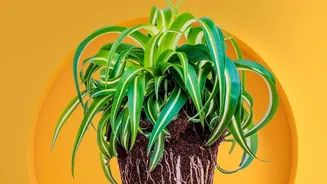
Getting the planting depth right is a straightforward process. First, choose a new pot that is only about one to two inches wider in diameter than the previous one. Adding a plant to a pot that's too large can lead to waterlogged soil and root rot. Once you have your pot, follow these steps: 1. Add a foundation of fresh potting mix to the bottom of the new container. You’ll want enough to raise the plant to the correct height. 2. Gently remove the plant from its old pot and place it on top of the new soil base. Check its position. The goal is for the top of the plant's existing root ball to sit about a quarter to a half-inch below the rim of the new pot. 3. Add or remove soil from the bottom layer until the height is perfect. This small gap at the top is crucial; it creates a reservoir for water and prevents soil from spilling over every time you water. 4. Once the height is set, begin filling in soil around the sides of the root ball. Be careful not to add new soil on top of the original root ball. Gently firm the soil to remove any large air pockets, which can cause roots to dry out.
Identifying the Original Soil Line
To maintain the original planting depth, you first need to know where it is. Before you even remove the plant from its current pot, take a close look. You can often see a subtle line on the plant's stem or trunk where it emerges from the soil. There may be a slight change in colour or texture. This line marks the original depth. When you lift the plant out of its pot, the top of the root ball is your clearest guide. This surface should remain the top surface in the new pot. Resist the temptation to “top it off” with a thick layer of fresh soil. Your plant’s health depends on keeping its crown at the level it has always known, allowing it to breathe properly and absorb what it needs from the soil below.
Are There Any Exceptions to the Rule?
The advice to maintain planting depth applies to the vast majority of common houseplants, from monsteras and fiddle leaf figs to ferns and succulents. While you may have heard of plants like tomatoes being planted deeper in a vegetable garden to encourage more roots, this is not standard practice for indoor ornamentals. Some vining plants, like philodendrons, can sometimes be buried deeper if you remove the lower leaves to sprout new roots from the nodes, but this is a specific propagation technique rather than a general repotting rule. For the average plant parent simply moving their greenery to a bigger pot, sticking to the original depth is the safest and most reliable path to success. When in doubt, don’t bury the stem.