







More Than Just a Walk
Across Mumbai, Delhi, Bengaluru and other urban centres, a simple activity is being reclaimed and reimagined. Walking, once a solitary act or a mere commute, has transformed into a vibrant, community-focused fitness phenomenon. Groups of friends, neighbours,
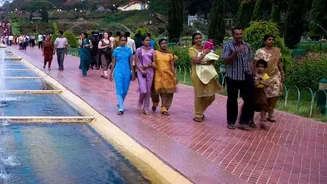
and complete strangers are gathering in parks, along promenades, and on city trails to walk together. This trend isn't just about logging steps or burning calories; it's about finding a 'third place'—a sanctuary outside home and work where people can connect. Participants speak of the dual benefits: the low-impact physical exercise that suits all ages and fitness levels, and the powerful boost to mental health that comes from social interaction and time spent outdoors. In an increasingly isolated urban world, these walking groups offer a much-needed dose of camaraderie.
The Post-Pandemic Push for Community
The rise of these groups can be partly traced back to the post-pandemic era. After long periods of lockdown and remote work, many city dwellers found themselves yearning for genuine human connection. Fitness and movement have emerged as a powerful new medium for this social interaction. Unlike a gym, which can be intimidating or focused on individual goals, walking clubs provide a welcoming, non-competitive environment. The focus has shifted from aesthetics to a more holistic view of wellness that includes mental and social well-being. This drive for community-based fitness is reshaping how Indians think about health, seeing it less as a scheduled chore and more as an integrated, enjoyable part of life.
Accessible, Affordable, and All-Inclusive
A key driver of the walking group trend is its sheer accessibility. It requires no expensive membership, no fancy equipment beyond a comfortable pair of shoes, and no specialised skill. This lowers the barrier to entry, attracting a diverse demographic that cuts across age, income, and profession. You’ll find young professionals de-stressing after a long work week, new mothers seeking a supportive community, and active retirees staying fit and social. Groups like the Gurgaon Walkers Group even organise activities that bridge generational gaps, from nature hikes to heritage walks. This inclusivity stands in contrast to more niche or high-intensity fitness trends, making walking a universally appealing option.
Cities in Step
The trend is visible in the green pockets and open spaces of every major metro. In Delhi, groups congregate in Lodi Garden or Sunder Nursery, while others explore the city's rich history through heritage walks. In Mumbai, the sea-facing promenade of Marine Drive and the neighbourhood of Chembur see groups of walkers at dawn and dusk. Bengaluru's Cubbon Park and Ulsoor Lake are popular meeting points for morning walkers. These clubs often start with a few friends and grow organically through word-of-mouth and social media. The shared experience of exploring one's own city on foot, discovering new routes and hidden gems, adds another layer of appeal to the weekend ritual.
How to Find Your Stride
For those looking to join the movement, finding a group is easier than ever. Digital platforms like Meetup list numerous walking and hiking groups in cities like Pune, Gurgaon, and Hyderabad. Social media is also a powerful tool, with local community pages and neighbourhood groups on Facebook or WhatsApp often serving as hubs for organising walks. Many start informally, so simply asking around at a local park or community centre can lead to a discovery. For those who prefer a more structured approach, organisations like 'Walk with a Doc' partner with physicians to lead walks, combining exercise with health education. The first step is often the hardest, but with so many groups available, finding a welcoming community is well within reach.