


The New Festive Plate
The soul of festive food remains untouched—the comforting flavours of cardamom, saffron, and ghee are all still there. Yet, the forms are evolving. Across India, a new generation of home cooks and professional chefs are reinterpreting traditional recipes,
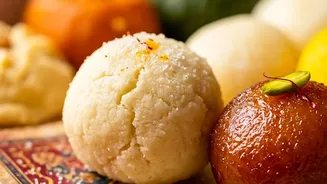
driven by a desire for healthier choices, a pride in local ingredients, and a dash of global inspiration. It's not about replacing classics like gulab jamun or ladoos, but about reimagining them. Think baked or air-fried gujiyas instead of deep-fried ones, or classic desserts deconstructed and presented with modern flair, like a rasmalai cheesecake or a gulab jamun fused with a doughnut. This movement is a celebration of heritage, proving that tradition can be both honoured and updated.
The Glorious Return of Ancient Grains
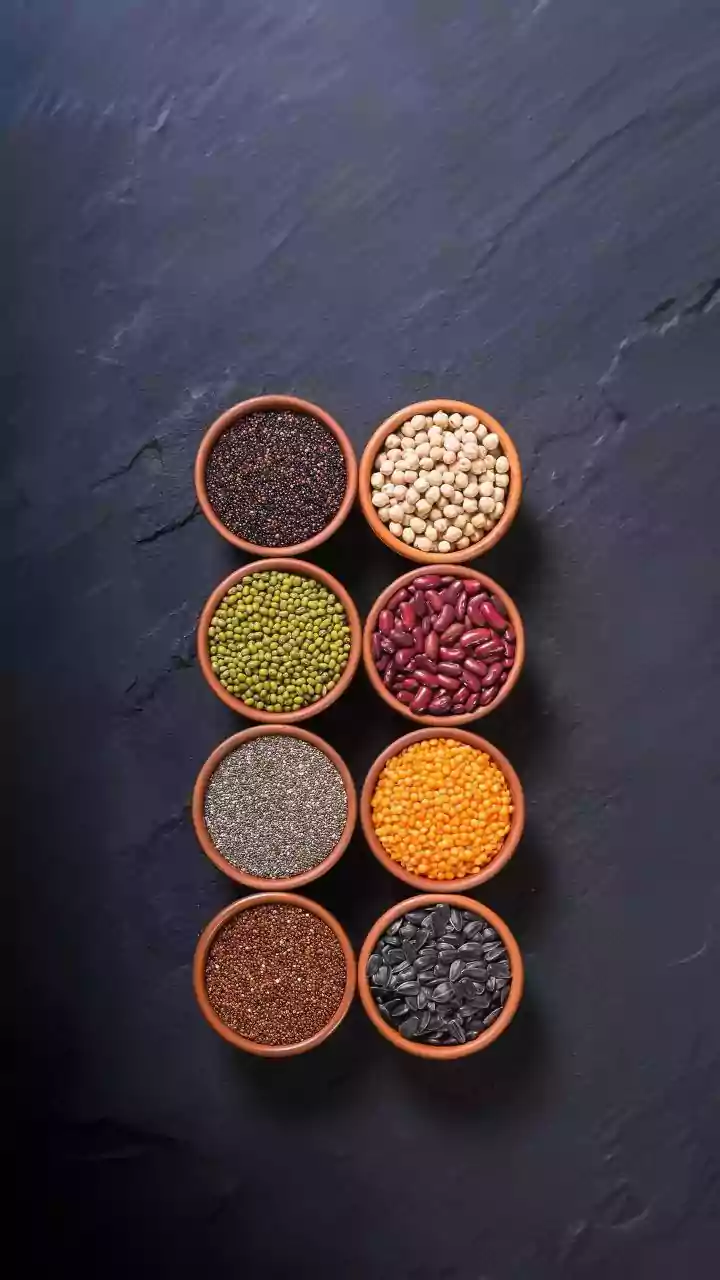
For decades, rice and wheat dominated the culinary landscape, pushing ancient grains like millets to the background. Now, these nutritional powerhouses are making a triumphant comeback. Ragi (finger millet), jowar (sorghum), bajra (pearl millet), and amaranth (rajgira) are no longer just for humble rotis or porridge. Chefs and home cooks are using their earthy, nutty flavours to create sophisticated festive fare. We're seeing ragi being used to make delicious halwa, foxtail millet (thinai) replacing rice in creamy payasam, and barnyard millet finding its way into phirni. This shift is partly fuelled by a growing health consciousness, as millets are gluten-free and packed with protein and fibre.
A Healthier Approach to Sweetness
The traditional Indian sweet tooth is legendary, but modern cooks are increasingly shying away from refined white sugar. Instead, they are embracing natural, traditional sweeteners that offer more complex flavours and nutritional benefits. Jaggery (gur) is leading this charge, lending its deep, caramel-like notes to everything from modern energy bars to traditional sweets. Dates, figs, and palm sugar are also being used to sweeten desserts, providing a richer taste profile without the empty calories of processed sugar. This swap is not a compromise on flavour; it's an enhancement, adding a rustic depth to festive mithai that feels both nostalgic and new.
The Drivers of Culinary Change
So, what's behind this culinary renaissance? Several factors are stirring the pot. Increased global exposure through social media has introduced new techniques and plating ideas, inspiring cooks to experiment. There's also a renewed sense of pride in India's vast agricultural biodiversity, with a conscious effort to revive forgotten ingredients and hyper-local produce. Furthermore, the rise of health and wellness as a lifestyle priority has made people more mindful of what they eat, even during festivals. This has led to the adoption of healthier cooking methods, such as baking and air-frying, and a greater emphasis on nutrient-dense ingredients. The result is a festive platter that is lighter, more diverse, and incredibly creative.