







Minutes 0–10: Arrive and Acclimate
The first ten minutes are not for lifting, but for observing. Walk in, find the locker room, and get changed. Then, take a walk around the gym floor. Grab a treadmill at a gentle walking pace and just take it all in. This isn't about stalling; it's about creating
a mental map. Notice where the dumbbells are, where the machines are grouped, and where you might find a quiet corner. This simple act of familiarization can dramatically reduce feelings of being overwhelmed. Remind yourself that everyone in the room was a beginner at one point.
Minutes 10–25: Warm-Up and Mobilise
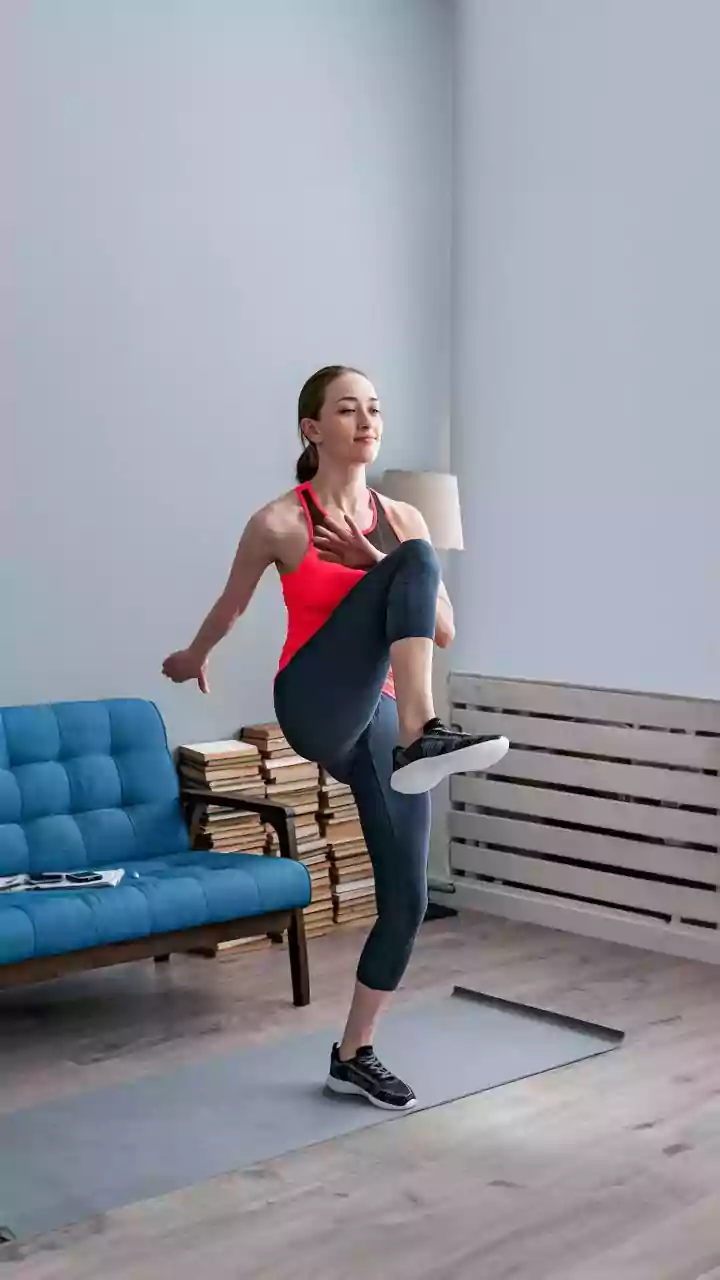
A proper warm-up prepares your body for work and helps prevent injury. Start with 5-10 minutes of light cardio, like the elliptical or a stationary bike, to get your heart rate up and increase blood flow. Then, move to an open space for dynamic stretching. This means active movements, not holding a static stretch. Think about performing 10-12 reps of leg swings, arm circles, torso twists, and bodyweight squats. This sequence tells your muscles and joints that they are about to be used, improving mobility for the lifts to come.
Minutes 25–65: The Main Lifts
This 40-minute block is the heart of your workout. The goal is not to lift the heaviest weight possible, but to learn and practice fundamental movements with good form. A full-body routine is perfect for beginners. Select three to four core exercises that target major muscle groups. A great starting point is: a squat variation (like a dumbbell goblet squat), a pushing movement (like a machine chest press or modified push-ups), and a pulling movement (like seated cable rows). Perform 3 sets of 8-12 repetitions for each exercise. Choose a light weight that feels manageable but still challenging on the last couple of reps. Rest for 60-90 seconds between sets. If you're unsure about form, watching others or asking a trainer for a quick pointer is a sign of intelligence, not weakness.
Minutes 65–80: Accessory and Core Work
With the main lifts done, this 15-minute period is for 'accessory' exercises. These are smaller, more isolated movements that support your main lifts and help build overall muscle tone. Good options for a beginner include bicep curls, tricep press-downs, and dumbbell shoulder presses. You can also dedicate this time to core work. A plank is a fantastic exercise for building core stability. Try holding a plank for 30 seconds, resting, and repeating three times. Unlike the main lifts, the goal here is less about heavy weight and more about feeling the specific muscle work.
Minutes 80–90: Cool-Down and Reflect
Just as you warmed up, you need to cool down. Spend the final ten minutes bringing your body back to a state of rest. A few minutes of slow walking on the treadmill will help lower your heart rate gradually. Follow this with static stretching, holding gentle stretches for your major muscle groups (quads, hamstrings, chest, back) for 20-30 seconds each. While you stretch, take a moment to reflect. You just completed a full, structured workout. You navigated the gym, used the equipment, and invested in your health. This feeling of accomplishment is a powerful tool for building the confidence to come back.