

Why The Kitchen Corner?
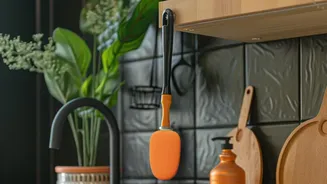
For years, small-space gardening has focused on windowsills and balconies. But the kitchen corner represents a fresh, practical approach. It’s about more than just aesthetics; it's about function. This spot is often under-utilised, collecting dust or clutter.
By turning it into a garden, you’re not only adding life and colour but also placing fresh ingredients right where you need them. The kitchen typically provides access to water and, depending on the layout, can offer the varied light conditions that different plants need to thrive. It’s a simple, intuitive upgrade that connects the heart of the home directly to a touch of nature, enhancing both your decor and your cooking.
First Step: Assess Your Corner
Before you buy a single plant, take a moment to understand your specific corner. The most critical factor is light. Does it receive bright, direct sunlight for several hours, or is it a more shaded, low-light area? A south-facing window corner is ideal for sun-loving herbs, while an interior corner with no direct light will require plants that tolerate shade. Notice the ambient conditions as well. Is it near a stove or vent that could cause temperature fluctuations? Is it a high-traffic spot that could lead to bumped or broken pots? A quick assessment will help you choose the right plants and setup, ensuring your green corner flourishes rather than fails.
The Best Plants for the Job
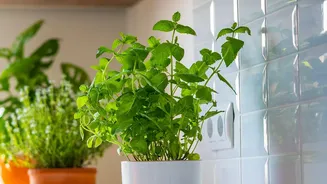
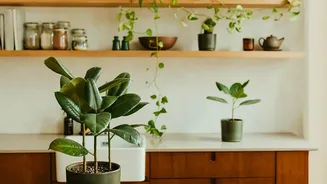
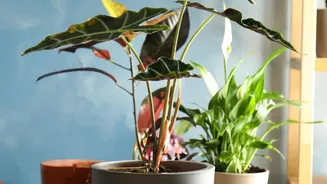
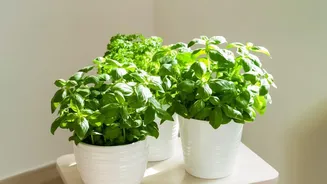
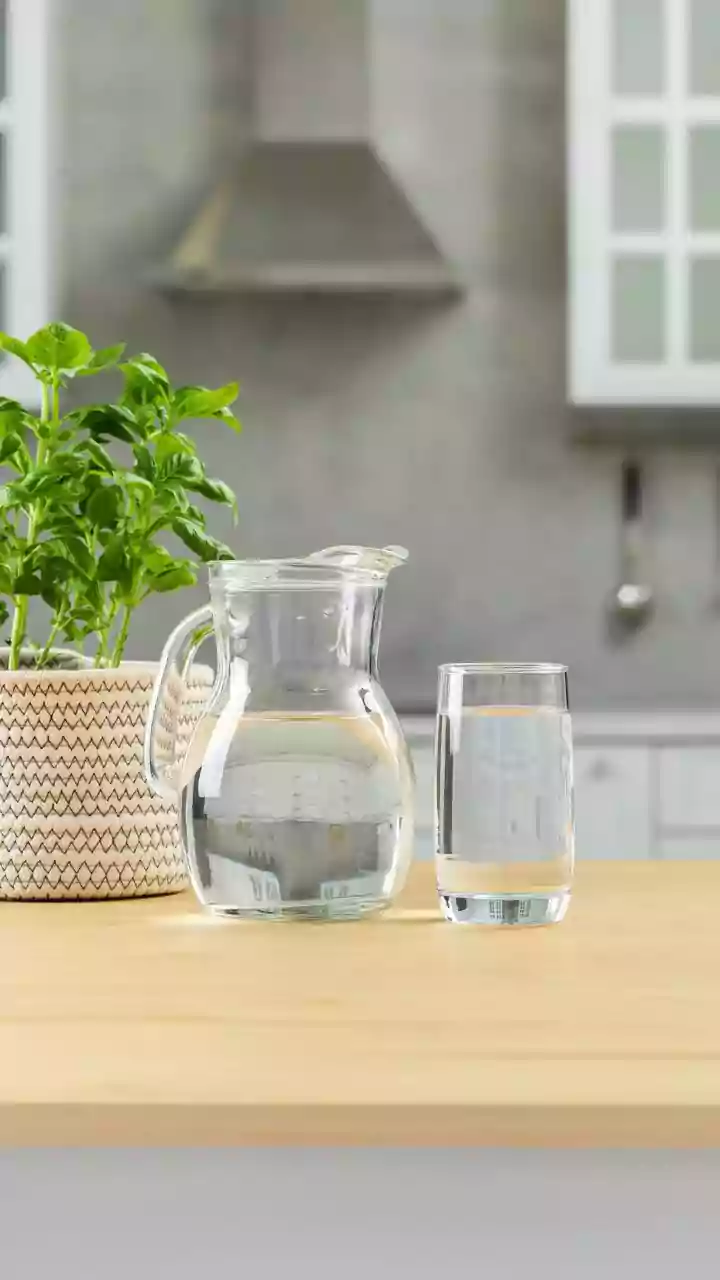
Choosing the right greenery is key. For a functional, culinary corner, you can’t go wrong with a selection of herbs. Basil, parsley, mint, and chives are excellent choices that do well in pots and are constantly used in cooking. If your corner is blessed with sun, rosemary and thyme are fragrant and hardy options. For corners with less light, don’t despair. This is where hardworking houseplants shine. The snake plant and ZZ plant are famous for their ability to thrive on neglect and in low-light environments. For a touch of cascading beauty, a pothos or philodendron will happily trail down from a shelf, adding a lush, jungle-like feel to the space.
Go Vertical: Smart Setups
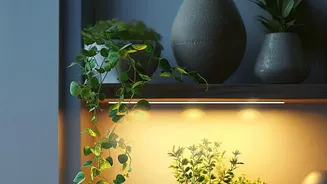
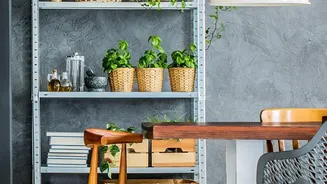
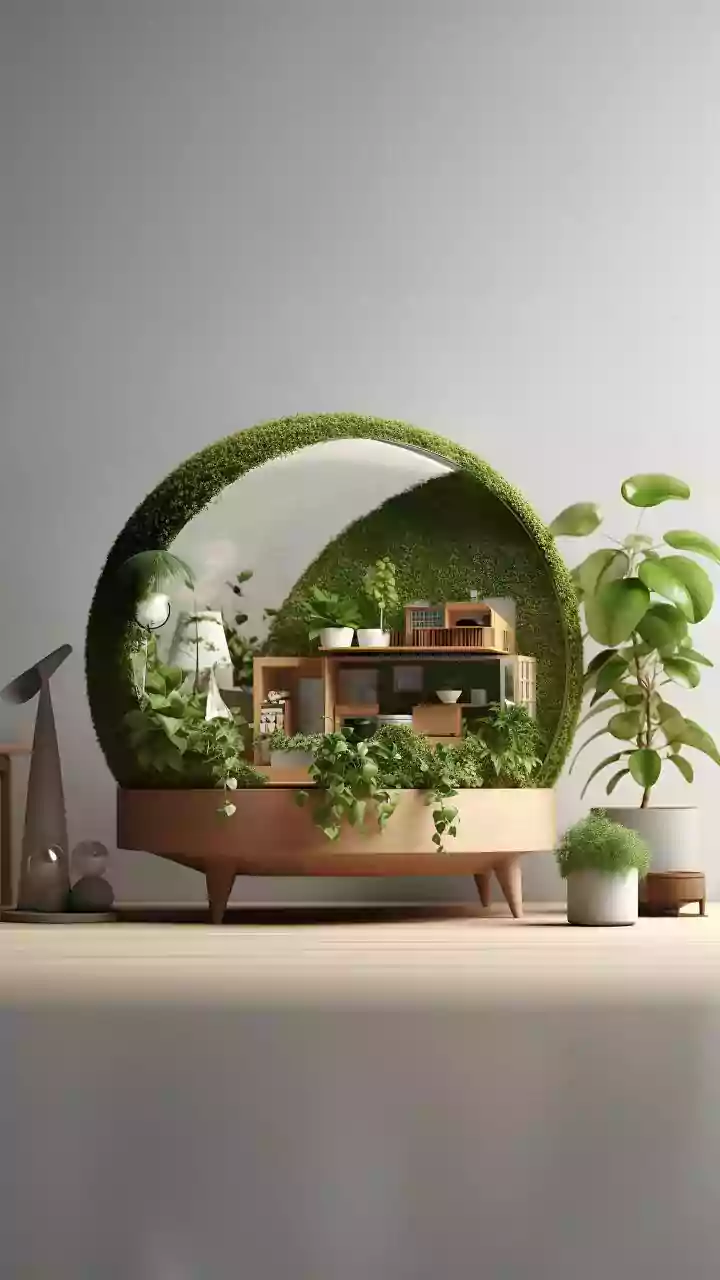
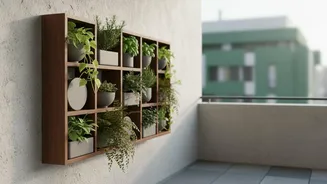
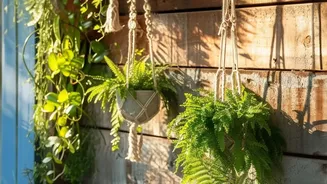
A single pot is a start, but the real trend lies in maximizing vertical space. This is what turns a plant in a corner into a 'garden'. Consider a tiered plant stand, which allows you to group several pots without taking up much floor space. Corner-specific floating shelves are another brilliant solution, providing a home for smaller pots and trailing plants. For a truly modern and contained system, look into vertical wall planters or modular pocket systems, which can turn an entire corner into a living wall. Even a simple tension rod fitted into the corner can be used to hang lightweight planters, keeping your counters completely clear.
Simple Care for a Thriving Garden
The goal is to create a beautiful feature, not a demanding chore. Most small indoor plants have simple needs. The most common mistake is overwatering. A good rule of thumb is to check the top inch of soil; if it’s dry, it’s time to water. For herbs that you harvest regularly, this clipping actually encourages fuller growth. To keep your plants looking their best, rotate them every so often to ensure all sides get some light. Grouping plants with similar light and water needs together will also make maintenance much easier. Don't be intimidated—start with one or two easy-to-care-for plants and build your confidence from there.