






A New Monsoon Mindset
For generations, the monsoon season from June to September was considered the travel off-season in India. Tourists avoided the downpours, humidity, and potential for travel disruptions. But that perspective is changing. A growing number of travellers,
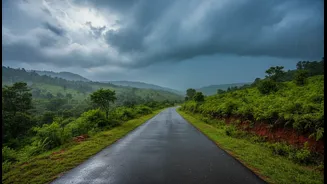
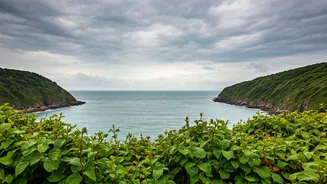
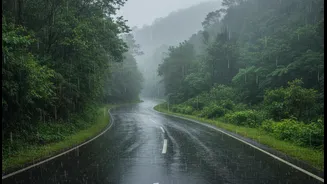
particularly millennials and Gen Z, are now actively seeking out monsoon experiences. This shift, sometimes called the 'Rainscape Movement', is about celebrating the season, not just enduring it. The appeal is multi-faceted: landscapes are transformed into lush, green paradises, waterfalls roar back to life, and popular destinations become less crowded and more affordable. This new approach isn’t about ignoring the challenges of rain; it’s about strategically planning for them to unlock a more authentic and serene travel experience.
Choosing Your Destination Wisely
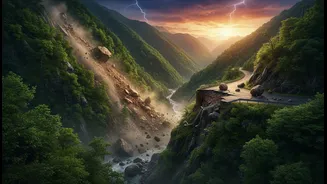
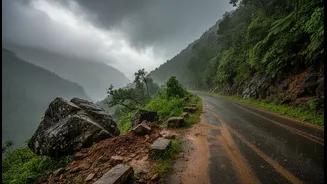
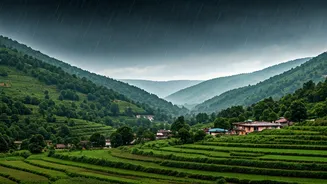
Rain-smart planning starts with destination selection. It’s not about finding a place with no rain, but choosing a location where the rain enhances the beauty. Hill stations in the Western Ghats, such as Coorg in Karnataka, Munnar in Kerala, and Mahabaleshwar in Maharashtra, are prime examples. These areas, known for their coffee plantations, tea gardens, and misty hills, become incredibly vibrant during the monsoon. Similarly, cities like Udaipur in Rajasthan, the 'City of Lakes', offer an enchanting experience as its lakes fill to the brim. However, smart planning also means knowing which areas to approach with caution. High-altitude Himalayan regions like parts of Himachal Pradesh and Uttarakhand can be prone to landslides, making them riskier choices. Conversely, Ladakh, which lies in a rain-shadow region, receives minimal rainfall and becomes an ideal spot for those seeking adventure without the heavy downpours.
The Art of the Upgraded Packing List
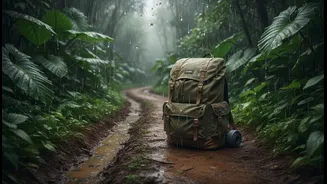
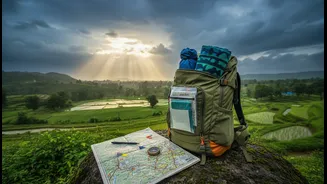
A rain-smart packing list goes far beyond a simple umbrella. The key is to think in layers and prioritise quick-drying, waterproof materials. Synthetic fabrics like polyester and nylon are preferable to cotton because they don’t retain moisture. A reliable waterproof jacket is non-negotiable, as is footwear with a strong grip to handle slippery paths. Protecting your electronics is also crucial. Waterproof pouches or zip-lock bags are essential for phones, cameras, and documents. Given the potential for power cuts during heavy rains, a fully charged power bank is a modern travel essential. Finally, packing an insect repellent is a wise health precaution for humid conditions.
Letting Technology Be Your Guide
Modern technology is a rain-smart traveller's best friend. Before and during a trip, reliable weather apps that provide real-time updates are indispensable for planning daily activities. The India Meteorological Department (IMD) issues colour-coded alerts that can help you gauge the severity of expected rainfall and make informed decisions about your itinerary. Because mobile networks can be unreliable in remote or storm-affected areas, downloading offline maps is a crucial backup. Many travellers also take advantage of the low season by using booking platforms to find excellent last-minute deals on hotels and even luxury resorts, which often slash prices to attract visitors during these months.
Embracing a Slower Pace
Perhaps the most significant part of rain-smart planning is a mental shift. Monsoon travel is an invitation to slow down. Instead of a packed schedule of outdoor sights, the smart approach is to build buffer days into your itinerary to account for potential delays. This is the perfect time for experiences that are often overlooked in peak season. You can spend an afternoon reading in a cosy cafe, enjoying a leisurely meal, or visiting indoor attractions like local museums and art galleries. Many find that some of the best monsoon memories come from these unplanned moments—sipping chai while watching the rain from a hotel window or taking a walk just after a fresh shower has washed the landscape clean. It’s a more mindful way to travel, connecting you with the rhythm of nature rather than fighting against it.