



The Vitamin C Contender
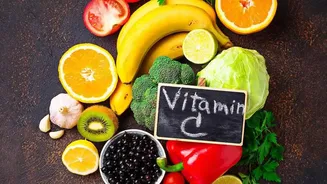
Let's get straight to the headline question. When you compare them gram for gram, butternut squash often has a slight edge in Vitamin C. A 100-gram serving of cooked butternut squash can provide around 15-31 mg of Vitamin C. A similar portion of cooked sweet
potato contains about 13-20 mg. While both are good sources, butternut squash takes this round. For context, the recommended daily allowance for adults in India is about 65 mg for women and 80 mg for men. So, a generous serving of either vegetable makes a solid contribution to your daily goal. Vitamin C is crucial for a healthy immune system, skin health, and helps the body absorb iron from plant-based foods, a key benefit for many Indian diets.
The Real Winner: Vitamin A
While Vitamin C is important, the real nutritional superstar in both these vegetables is Vitamin A, in the form of beta-carotene. This is the antioxidant compound that gives them their vibrant orange hue. Here, sweet potato is the undisputed champion. A 100-gram serving of cooked sweet potato can pack an incredible 787 micrograms (mcg) of Vitamin A, which is nearly 87% of your daily requirement. Butternut squash is also an excellent source, providing around 558 mcg in the same portion, but sweet potato is clearly superior in this category. Beta-carotene is vital for vision, immune function, and cell growth.
Calories and Carbohydrates
Here, the two diverge significantly. Butternut squash is the lighter option, containing about 40 calories per 100 grams. It has a higher water content, making it less dense. Sweet potato, being a starchy root vegetable, is more calorie-dense, with around 76 calories per 100 grams. The carbohydrate count follows the same pattern. Butternut squash has about 10.5 grams of carbs per 100g, while sweet potato has closer to 18 grams. If you are managing your calorie intake or following a lower-carb diet, butternut squash is the more suitable choice.
Fibre, Potassium, and Other Nutrients
Both vegetables are good sources of dietary fibre, which is essential for digestive health and feeling full. Their fibre content is quite comparable. When it comes to minerals, the results are mixed. Sweet potatoes tend to be richer in potassium, a mineral crucial for regulating blood pressure. However, butternut squash often provides slightly more calcium and magnesium. Ultimately, both deliver a fantastic array of micronutrients that contribute to overall health.
In the Kitchen: Flavour and Use
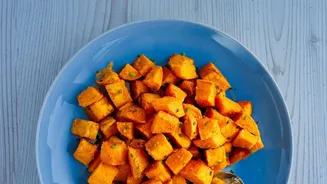
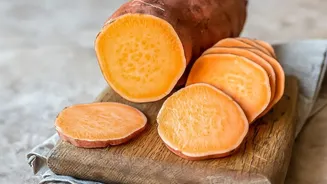
This is where personal preference comes in. Sweet potato (shakarkandi) has a dense, starchy texture and a pronounced sweetness that intensifies when roasted. It’s perfect for classic chaats, fries, or being mashed into fillings for flatbreads. Its earthy sweetness holds up well to strong spices. Butternut squash has a milder, nuttier flavour and a more watery flesh. When cooked, it becomes silky and smooth, making it ideal for soups, purees, and gentle curries where its delicate taste can shine. It absorbs the flavours of other ingredients beautifully, making it incredibly versatile in both savoury and sweet preparations.