





Upgrade Your Everyday Atta
Your daily roti or chapati is one of the easiest places to start. Instead of using only refined wheat flour, consider making small but impactful changes. Mixing in other flours like jowar (sorghum), bajra (pearl millet), or ragi (finger millet) can significantly
increase the fibre content. These traditional grains not only add a pleasant, earthy flavour but also contribute essential nutrients. If you're hesitant about changing the taste, begin by substituting just a small portion of your regular atta. Another simple trick is to add a spoonful of psyllium husk (isabgol) or ground oats to your dough. You can also grate vegetables like bottle gourd (lauki), spinach, or carrots directly into the atta, which adds moisture, nutrients, and fibre with minimal change in taste.
Rethink Your Rice and Grains
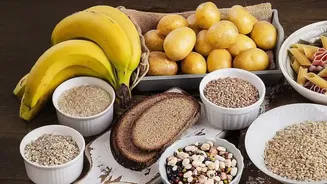
White rice is a staple, but it's stripped of most of its natural fibre. A simple swap is to introduce brown or red rice. To make the transition easier, start by mixing a small amount of brown rice with your usual white rice, gradually increasing the ratio as you get accustomed to the texture. Millets like jowar and bajra can also serve as excellent rice substitutes in dishes like khichdi or pulao. Another effective strategy is to simply add more vegetables to your rice dishes. Loading up your pulao, biryani, or even plain steamed rice with peas, carrots, beans, and corn not only makes it more colourful and flavourful but also adds a substantial fibre boost.
Double Down on Dals and Legumes
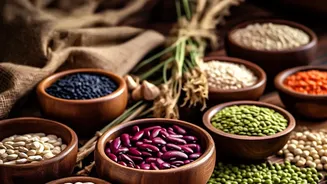
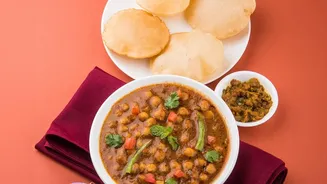
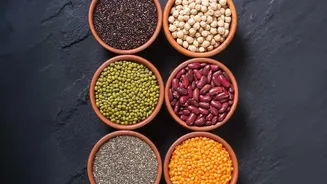
Indian cuisine is rich in lentils and legumes, which are natural powerhouses of both protein and fibre. Make it a point to include at least one dal or legume dish in your main meals every day. Opt for whole dals (with skin) over split and polished versions (dhuli dal) whenever possible, as the skin contains a significant amount of fibre. For instance, whole moong dal is a better choice than the yellow split version. Broaden your horizons beyond the usual toor and masoor. Incorporating rajma (kidney beans), chana (chickpeas), and lobia (black-eyed peas) into your weekly menu can provide a diverse range of fibres and nutrients. Adding them to salads or making sprout chaats are other great ways to up your intake.
Make Vegetables the Star
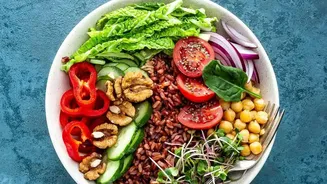
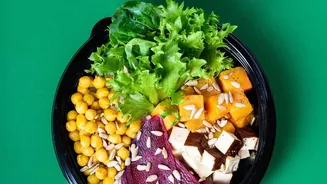
A simple rule of thumb is to fill half of your plate with vegetables. This ensures you get a healthy dose of fibre in every meal. Beyond your standard sabzi, think of creative ways to include more greens and other vegetables. Add chopped spinach to your dal, grate cucumber into your raita, or blend beetroot into your chapati dough. Vegetables like okra (bhindi), sweet potatoes, and cluster beans (gawar) are particularly high in fibre. Don't forget the goodness of raw salads. A simple kachumber salad with cucumber, tomato, and onion before your main meal can increase satiety and contribute to your daily fibre goal.
Snack Smarter with Fruits, Nuts, and Seeds
Snack time is a golden opportunity to add more fibre. Instead of reaching for processed snacks, opt for whole fruits. Fruits like guava, apples, pears, and bananas are excellent sources of fibre; just be sure to eat them with their skin where possible, as that's where much of the fibre resides. Nuts and seeds are tiny but mighty sources of fibre, healthy fats, and protein. A handful of almonds or walnuts makes for a filling snack. You can also sprinkle a spoonful of flaxseeds, chia seeds, or sunflower seeds over your yogurt, oatmeal, or smoothies for an effortless fibre boost. Even roasted chana or peanuts are fantastic, easily accessible high-fibre snacks.