






The Cloud's Physical Footprint
When we talk about the internet, we use words like 'cloud' and 'virtual', making it seem weightless and ethereal. The reality is a sprawling, power-hungry network of physical buildings called data centres. These are the engines of the digital age, housing
thousands of computer servers that store, process, and route the data for everything from your work emails to your weekend movie binges. A recent Harvard University study has pulled back the curtain on the environmental cost of this infrastructure. It found that just 403 of the largest 'hyperscale' data centres in the United States produced 25.7 million metric tons of carbon dioxide in a single year. To put that number in perspective, it's roughly equivalent to the annual carbon emissions of the entire nation of Denmark.
Why Are Data Centres So Power-Hungry?
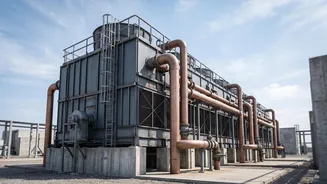
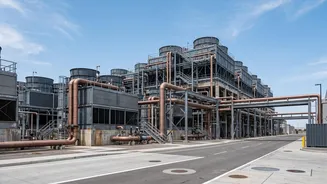
The emissions don't come from the servers themselves, but from the colossal amount of electricity needed to run and, crucially, cool them. Servers generate immense heat, and keeping them at optimal temperatures to prevent failure requires vast cooling systems, which can account for up to 40% of a data centre's total energy consumption. According to the Harvard study, which analysed data from May 2024 to April 2025, more than half of the electricity consumed by these major US data centres came from burning fossil fuels like natural gas and coal. This reliance on non-renewable energy, combined with the explosive growth of artificial intelligence which requires even more powerful and energy-intensive processing, is driving this surge in emissions. The study found that emissions from these large centres were two to three times higher than previous estimates from 2018.
A Warning for India's Digital Boom
While the study focused on the US, its findings are a critical warning for India. India is one of the fastest-growing digital economies in the world, producing a huge amount of data but currently hosting a small fraction of global data centre capacity. That is changing rapidly. India's data centre capacity is expected to more than double in the coming years, with massive investments from global tech giants and local conglomerates. This expansion is vital for supporting India's digital ambitions, from AI development to 5G services. However, it brings significant environmental challenges. These facilities exert immense pressure on local electricity grids and, just as importantly, on water supplies, as many cooling systems are water-intensive. In a country already facing water scarcity in major urban hubs like Mumbai, Bengaluru, and Chennai—all key data centre markets—the added strain is a serious concern.
The Search for Greener Data
The technology industry is not blind to the problem. There is a significant push towards creating 'green' data centres. Leading operators are increasingly turning to renewable energy sources like solar and wind, often through direct power purchase agreements, to decarbonise their operations. Other strategies focus on efficiency. This includes everything from innovative cooling technologies, such as using recycled wastewater instead of fresh water or 'free cooling' with outside air, to designing the buildings themselves to be more energy-efficient. AI is even being used to optimise power consumption within the centres themselves. Many large tech companies have pledged to power their data centres with 100% renewable energy, but the recent AI boom has caused some, like Microsoft and Google, to see their emissions rise, falling short of sustainability goals.