
The Genius of 'Heating' Spices
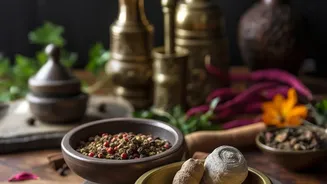
At first glance, eating spicy food in hot weather seems counterintuitive. Yet, cuisines in many of the world's warmest climates, including Tamil Nadu's, embrace the heat. Fiery ingredients like red chillies, black pepper, and ginger, all staples in Tamil cooking,
induce sweating. As the sweat evaporates, it creates a natural cooling effect on the skin. Chettinad cuisine, famous for its liberal use of pungent, freshly ground masalas, is a prime example of this principle in action. These complex spice blends are not just about raw heat; they are designed to stimulate digestion and circulation, which can become sluggish in high temperatures.
The Cooling Counter-Offensive
For every 'heating' spice, Tamil cuisine has a refreshing counterpoint. The most essential of these is yogurt, known as 'thayir'. Used to make the iconic curd rice ('thayir sadam') and diluted into buttermilk ('neer mor'), it is a probiotic powerhouse that cools the body from within. Coconut, in its various forms—freshly grated, as milk, or as tender coconut water—provides hydration and a subtly sweet, cooling richness to everything from curries to desserts. Vegetables with high water content, like cucumber, ash gourd, and snake gourd, are widely used in summer preparations like 'kootu' (a lentil and vegetable stew), adding substance and hydration without generating excess body heat.
A Symphony on a Banana Leaf
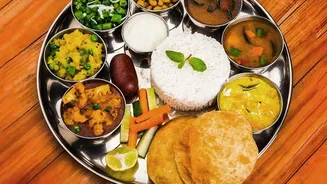
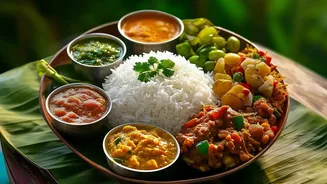
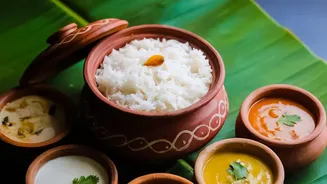
Nowhere is this balance more evident than in a traditional Tamil 'saapadu' (meal) served on a banana leaf. Each dish plays a specific role. A spicy 'poriyal' (stir-fried vegetable) might be placed next to a cooling cucumber 'pachadi' (yogurt-based raita). A fiery 'rasam', a peppery tamarind-based soup, is almost always followed by a serving of soothing curd rice to calm the palate and digestive system. This structure follows the ancient principle of 'Arusuvai', or the six tastes (sweet, sour, salty, bitter, pungent, and astringent), ensuring a meal is not just delicious but also nutritionally and sensorially complete.
Hydration Heroes of Summer
Beyond the plate, Tamil Nadu boasts a fantastic lineup of traditional summer drinks designed to replenish fluids and electrolytes. 'Panakam' is a classic beverage made from jaggery, water, lemon juice, cardamom, and a hint of dry ginger, often served during festivals that fall in summer. 'Neer Mor' is another favourite, a spiced buttermilk seasoned with ginger, green chilli, curry leaves, and asafoetida. In the city of Madurai, the legendary 'Jigarthanda', which translates to 'cool heart', is a rich, creamy concoction of milk, almond gum ('badam pisin'), sarsaparilla root syrup ('nannari'), and ice cream, offering ultimate relief from the sun.
Wisdom Rooted in Wellness
This culinary philosophy is deeply connected to traditional Indian wellness systems like Ayurveda, which classify foods based on their 'heating' or 'cooling' properties. Summer is considered a time when the 'Pitta' dosha, associated with fire and heat, is elevated. Therefore, the cuisine naturally leans towards ingredients and preparations that pacify this heat. It's a system perfected over centuries, a testament to a deep understanding of how food interacts with the body and the environment. It is not about avoiding spice, but about harnessing its power and then expertly soothing its effects.