
The Two-Hour Rule and the Danger Zone
The most critical concept in food safety is the 'temperature danger zone'. According to food safety authorities, this is the temperature range between 5°C and 60°C, where bacteria can multiply rapidly. In fact, some bacteria can double their numbers in as
little as 20 minutes within this zone. The guiding principle is the two-hour rule: perishable foods should not be left at room temperature for more than two hours. After this window, the risk of harmful bacterial growth increases significantly, making the food unsafe to eat, even if it looks and smells perfectly fine.
Why Large, Deep Pots Are a Problem
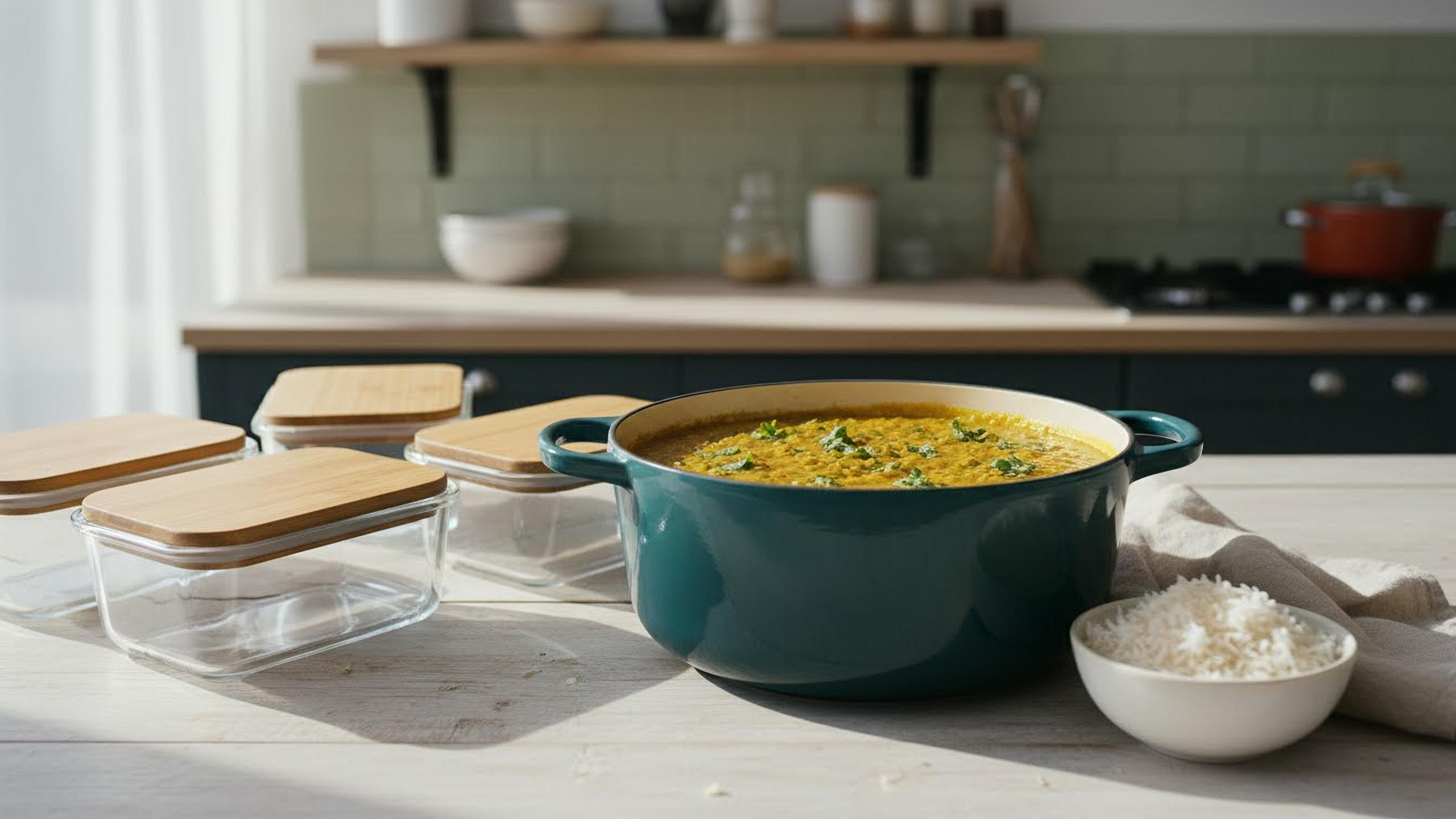
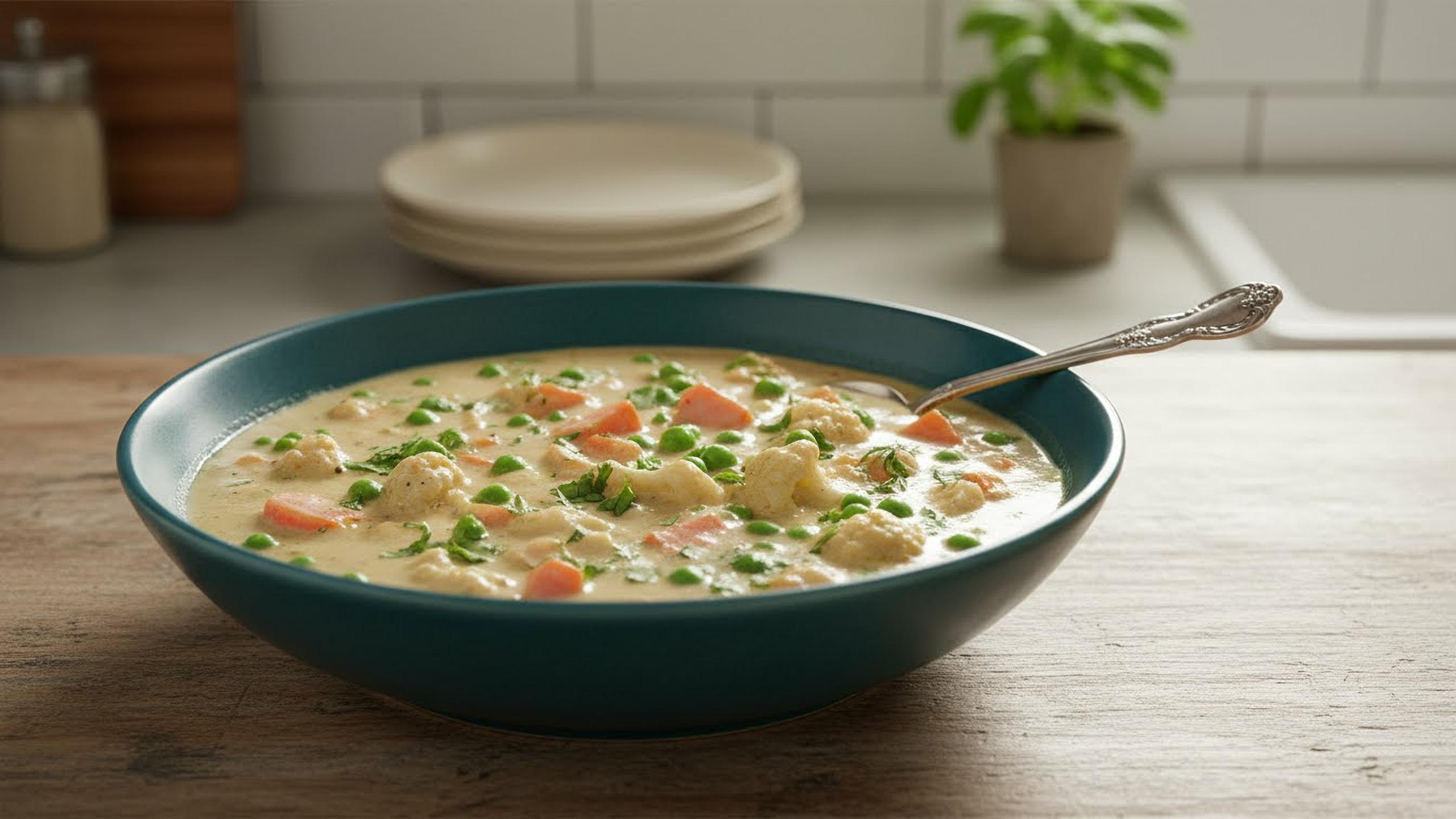
You might think that placing a large, hot pot directly into the refrigerator is the quickest way to cool it. However, the opposite is true. A large, deep pot of food, whether it's a hearty stew or a fragrant curry, acts as its own insulator. While the outside cools, the centre of the food can remain in the temperature danger zone for many hours, creating an ideal breeding ground for bacteria. Furthermore, placing a very hot container in the fridge can raise the appliance's internal temperature, potentially putting other stored foods at risk. Experiments have shown that a large pot of chili can take as long as 24 hours to cool to a safe temperature inside a refrigerator.
The Shallow Portion Solution
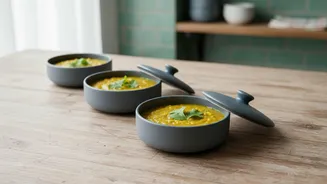
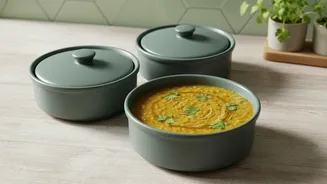
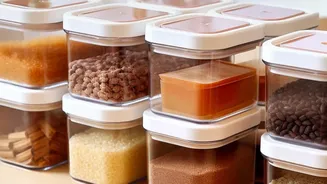
The single most effective method for cooling leftovers quickly and safely is to divide and conquer. Instead of refrigerating the entire pot, transfer the food into several smaller, shallow containers. This dramatically increases the surface area of the food, allowing heat to escape much more rapidly. Aim for a food depth of no more than two to three inches. This simple step ensures that the entire batch of food moves through the danger zone as quickly as possible, usually well within the two-hour safety window. Using metal containers can speed up the process even more, as they transfer heat faster than plastic.
Other Safe Cooling Techniques
If you're short on shallow containers or dealing with a very large quantity of liquid like soup or sambar, an ice bath is an excellent alternative. Place your smaller containers of hot food into a larger basin or a clean sink filled with ice and water. Stir the food periodically to help release the heat more evenly. For an even faster cool-down, you can stir the liquid with a frozen ice paddle (a plastic wand filled with water and frozen). Another strategy for soups and stews is to add ice cubes directly to the pot, but only if the extra water won't spoil the consistency of the dish.
Common Cooling Mistakes to Avoid
The biggest mistake is leaving a pot on the stovetop or counter to cool for several hours before refrigerating it. After two hours, your food is already in the high-risk category. Another error is covering the containers tightly before the food is cool. When you refrigerate warm food, it's best to cover it loosely at first. This allows steam and heat to escape, speeding up the cooling process. Once the food is completely chilled to below 5°C, you can then seal the container tightly for storage. Finally, never cool large amounts of hot food in a freezer, as it can dangerously warm up other frozen items.