





Why Use Banana Peels?
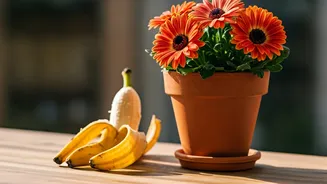
Before you toss that banana peel, consider this: it’s a powerhouse of nutrients that your plants crave. Banana skins are particularly famous for their high concentration of potassium, a crucial element for plant health. Potassium strengthens a plant's
ability to withstand pests and diseases, aids in water and nutrient transportation, and is vital for promoting robust flowering and fruiting. Think brighter blooms on your hibiscus and juicier tomatoes from your vine. Beyond potassium, peels also offer smaller amounts of phosphorus, magnesium, and calcium, all of which contribute to strong root development and overall vitality. By using them, you're not just feeding your plants; you're recycling kitchen waste and reducing your reliance on synthetic products.
Understanding Its Limitations
While banana peel fertilizer is fantastic, it's important to know what it isn't. It is not a complete, all-purpose fertilizer. The main reason is its low nitrogen content. Nitrogen is the key nutrient responsible for lush, green leafy growth. Plants like spinach, lettuce, or young seedlings need a lot of nitrogen to flourish. Banana peel tea is a potassium booster, not a balanced meal. Therefore, think of it as a wonderful supplement to your existing fertilizing routine, not a total replacement. It’s perfect for giving your flowering and fruiting plants an extra push, but you’ll still need a source of nitrogen, like compost or other organic fertilizers, for a truly well-rounded garden nutrition plan.
Recipe 1: The Simple Soak Method
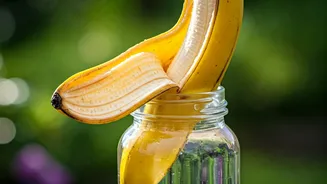
This is the easiest way to get started. All you need are banana peels and a large jar with a lid.
1. **Collect & Chop:** Every time you eat a banana, chop the peel into small, 2-3 cm pieces. The smaller pieces have more surface area, allowing nutrients to release more easily.
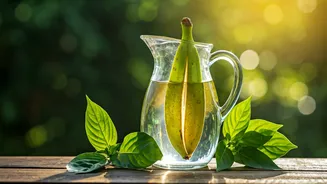
2. **Soak:** Place the chopped peels in your jar and fill it with water, making sure the peels are fully submerged. Put the lid on.
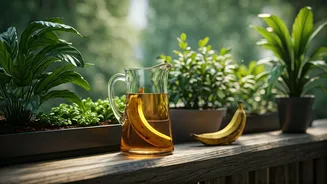
3. **Wait:** Let the jar sit for 3 to 5 days in a cool, dark place. The water will slowly turn a light brownish colour as the nutrients leach out from the peels. You might notice it smells a bit fermented; this is normal.
4. **Strain:** After a few days, strain the liquid into another container. The liquid is your fertilizer concentrate. You can add the soggy peels directly to your compost bin or bury them in the soil around larger plants.
Recipe 2: The Quick Blend Method
If you’re short on time and want a slightly more potent (and immediate) fertilizer, this method is for you. It incorporates the entire peel into the mix.
1. **Chop & Blend:** Take one or two fresh banana peels and chop them roughly. Place them in a blender with about 500-750 ml of water.
2. **Liquify:** Blend the peels and water until you have a smooth, thin slurry. It will look like a murky, fibrous smoothie.
3. **Dilute:** This mixture is very concentrated. You must dilute it before using it on your plants to avoid overwhelming them. A good rule of thumb is to mix one part of the banana slurry with three to four parts of plain water.
How to Use Your Liquid Gold
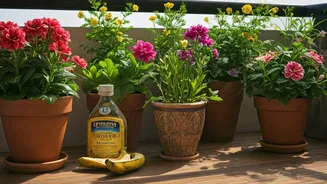
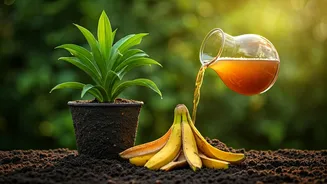
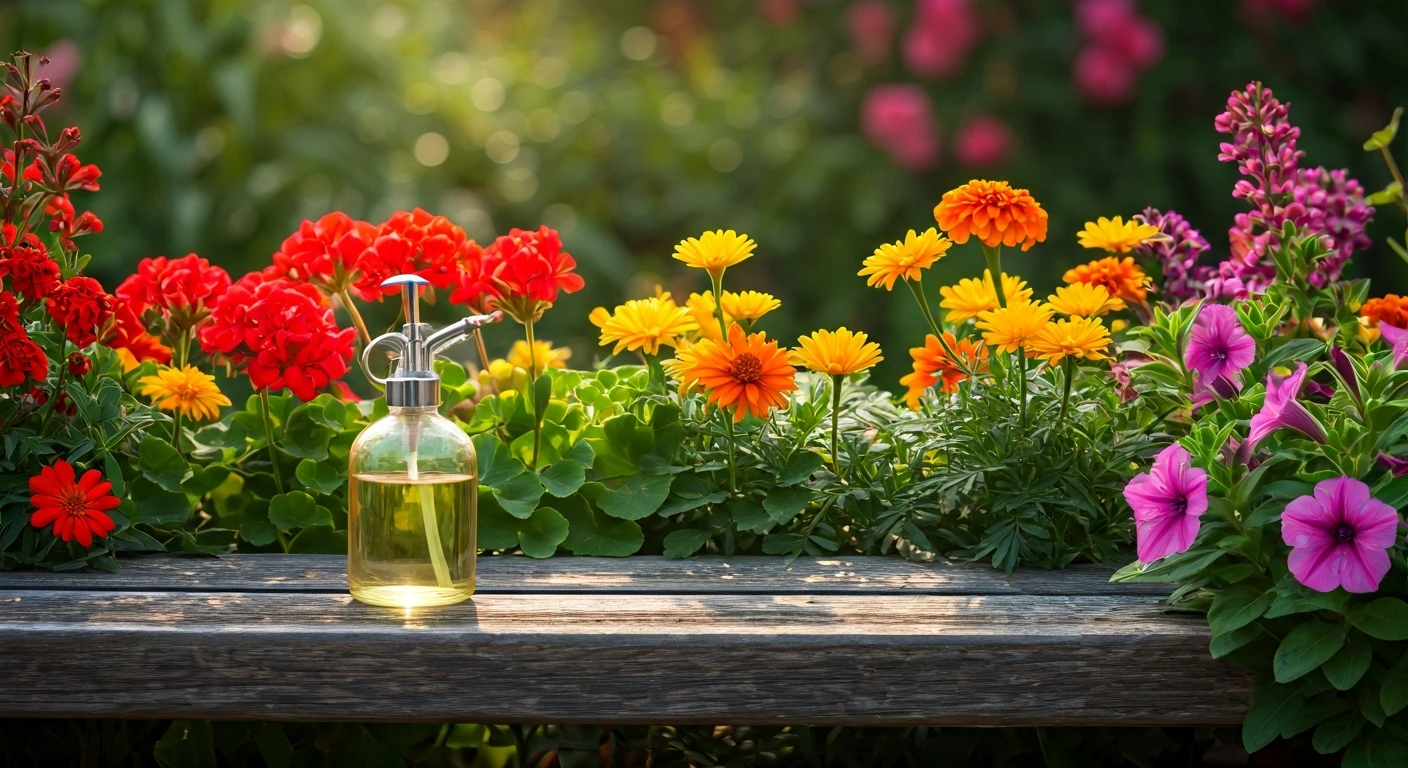
Using your homemade fertilizer is simple. For the 'Simple Soak' liquid, dilute it with an equal amount of water (a 1:1 ratio) before use. For the 'Quick Blend' method, use the recommended 1:4 dilution. Once diluted, you can apply it directly to the soil at the base of your plants, right where the roots can absorb it. Avoid splashing it on the leaves. How often should you use it? A good schedule is once every two to three weeks during the growing and flowering season. Watch your plants; they will often show you when they are happy with signs of new growth or more vibrant blooms.
Which Plants Love It Most?
While most plants will appreciate the potassium boost, some will show their gratitude more enthusiastically than others. In an Indian home garden, this natural blend works wonders for:
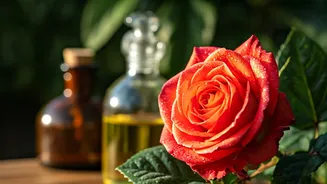
- **Roses:** Encourages bigger, more frequent blooms.
- **Tomatoes and Peppers (Chillies):** Promotes flowering and the development of healthy fruit.
- **Hibiscus and Bougainvillea:** Supports vibrant, long-lasting flowers.
- **Eggplant (Brinjal):** Helps in the fruiting stage.
Essentially, any plant you are growing for its flowers or fruits will benefit significantly from this potassium-rich treat.