



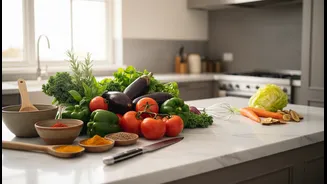


The Philosophy of Component Prepping
Traditional meal prep involves cooking and portioning complete meals for the week. While efficient, this often leads to what's known as flavour fatigue—the boredom that comes from repetitive eating. Component prepping, also called modular cooking, takes
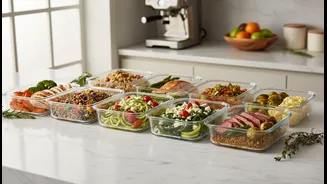
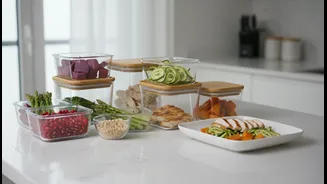
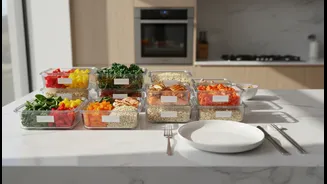
a different approach. Instead of full meals, you prepare individual ingredients in bulk. Think of it as creating your own personal buffet. Your fridge is stocked with versatile building blocks—cooked grains, proteins, roasted vegetables, and sauces—that can be mixed and matched daily. This method not only keeps meals interesting but also significantly reduces food waste. If your dinner plans suddenly change, you haven't lost a full, pre-assembled meal; you simply have components ready for the next day.
Building Your Foundation: Grains and Proteins
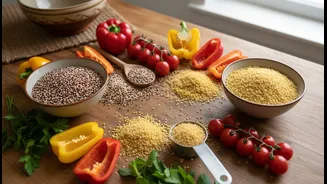
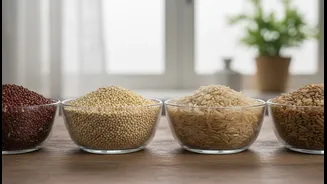
The base of most adaptable meals starts with a solid foundation of grains and proteins. These are often the most time-consuming elements to cook on a busy weeknight, making them perfect for batch preparation. On your prep day, cook a large pot of a versatile grain like quinoa, brown rice, or farro. Once cooled, store it in an airtight container in the fridge. For proteins, think in terms of flexibility. Cook a batch of chicken breasts that you can later shred for tacos, cube for salads, or slice for stir-fries. Other great options include a large batch of lentils or chickpeas, hard-boiled eggs, or cooked ground meat. Having these ready to go cuts daily cooking time dramatically.
Adding Colour and Nutrients: Vegetables
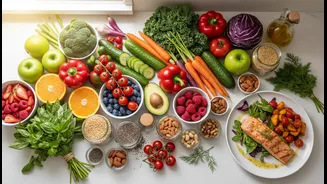
Vegetables add vital nutrients, texture, and colour to your meals. Your prep strategy for vegetables will vary depending on the type. Heartier vegetables like sweet potatoes, broccoli, bell peppers, and onions are excellent for prepping in advance. You can roast a large sheet pan of mixed vegetables to use throughout the week. Others, like onions and peppers, can be chopped and stored raw in the fridge, ready to be thrown into a skillet. Delicate leafy greens like spinach or arugula are best left fresh until assembly. Keeping a few bags of pre-washed greens on hand is a great shortcut. This combination of pre-cooked and ready-to-chop vegetables gives you both convenience and freshness.
The Game Changer: Sauces and Flavour
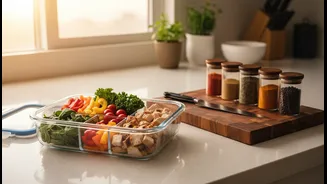
Sauces and dressings are the key to unlocking variety in your component-prepped meals. They are the single easiest way to completely change the profile of a dish. With the same base of chicken, rice, and roasted broccoli, a zesty lemon-herb vinaigrette creates a Mediterranean bowl, while a spicy peanut sauce transforms it into an Asian-inspired meal. Consider making one or two different sauces during your prep session. A simple vinaigrette, a creamy tahini dressing, or a batch of pesto can be stored in jars in the fridge. Don't forget other flavour boosters like a jar of salsa, kimchi, pickled onions, or a sprinkle of nuts and seeds to add crunch and complexity.
The Art of Adaptable Assembly
With your components prepped, the daily 'cooking' becomes a quick and creative assembly process. The goal is to combine your prepped items into a satisfying meal in minutes. For example, your batch of shredded chicken, black beans, rice, and chopped peppers can become tacos one night with tortillas and salsa. The next day, the same ingredients can be layered over a bed of fresh lettuce with a lime vinaigrette for a hearty salad. For a quick lunch, combine the chicken and beans in a wrap. This mix-and-match system allows you to cater to your daily cravings and schedule, making healthy, home-cooked meals feel effortless and enjoyable rather than a repetitive chore.