






What Exactly Is Happening With Prices?
When we talk about inflation, we are talking about the rate at which the general level of prices for goods and services is rising, which in turn reduces the purchasing power of currency. In India, this is primarily measured by the Consumer Price Index
(CPI), a basket of goods and services that the average household consumes. Recent data shows a noticeable upward trend. In early October 2026, the Reserve Bank of India (RBI) responded to these pressures by increasing its key lending rate, the repo rate, to 5.50% and shifting its stance to 'calibrated tightening'. This signals that controlling inflation is a top priority, as headline inflation for the fiscal year 2027 is projected at 5.2%. These numbers aren't just statistics; they represent a tangible squeeze on household budgets across the country.
The Pressure on Your Plate: Food Costs
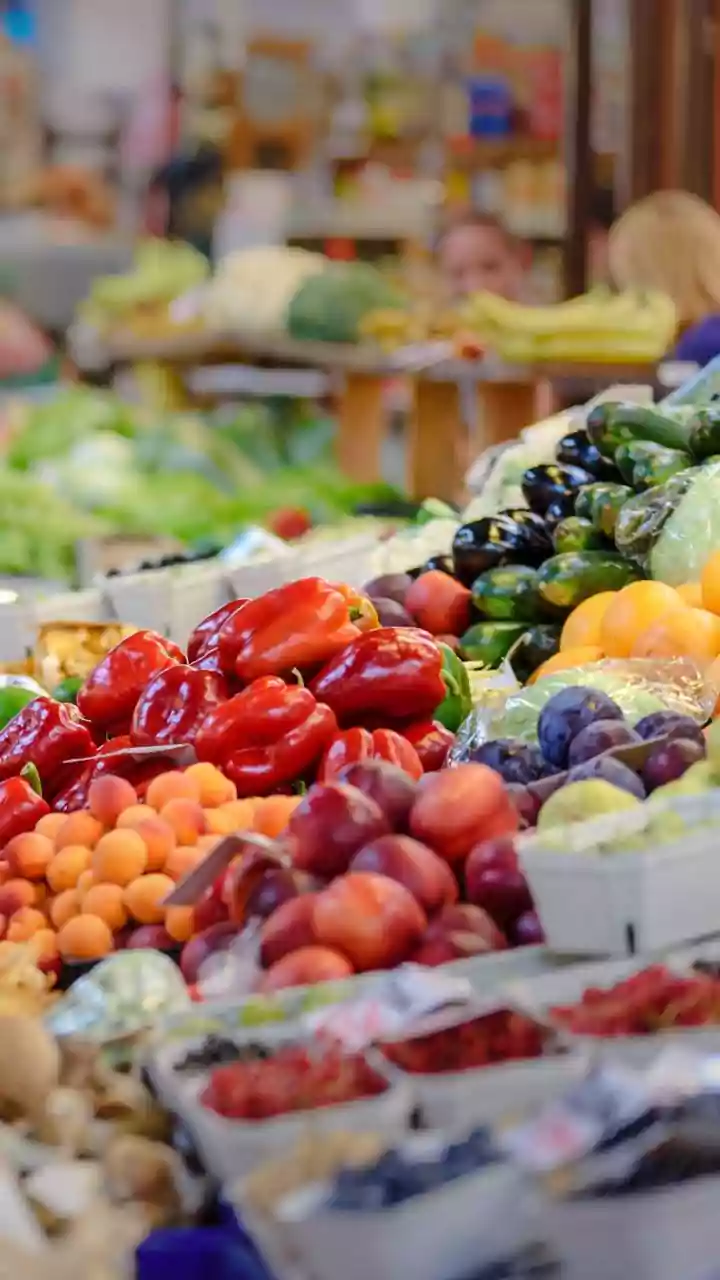
Nowhere is inflation felt more acutely than in the kitchen. Food and beverages make up a substantial portion of the CPI basket, meaning even small price changes in staples can have a big impact. The Consumer Food Price Index (CFPI) for September 2026 showed a year-on-year inflation rate of 7.74%. This surge is driven by several factors, including uneven monsoon patterns, the risk of El Niño affecting crop yields, and rising global commodity prices. Items like vegetables, pulses, edible oils, and dairy products have all seen significant price volatility. For millions of households, especially lower-income ones that spend a larger share of their income on food, this means making difficult choices and cutting back on nutritious items.
Beyond the Kitchen: Household Maintenance
The impact of inflation extends beyond groceries to the general upkeep of a home. The cost of household goods, including cleaning supplies and detergents, has been on the rise. More significantly, the cost of services has also increased. Finding an electrician, plumber, or carpenter for routine repairs is becoming more expensive. This is partly due to rising input costs for materials and higher transportation expenses, often linked to fuel prices. While the price of a single repair might seem manageable, the cumulative effect of these rising service charges adds another layer of financial pressure on households trying to maintain their standard of living.
Why Are Prices Climbing Now?
The current inflationary trend is not due to a single cause but a combination of domestic and global factors. Global events, including conflicts and supply chain disruptions, have pushed up the prices of crude oil and other essential commodities. This increases transportation and logistics costs, which eventually get passed on to the consumer for almost all goods. Domestically, unpredictable weather patterns have impacted agricultural output, leading to shortages and price spikes for certain food items. The RBI has noted that while the economy remains resilient, these persistent global headwinds and an uneven monsoon continue to pose risks to the inflation outlook. The central bank's rate hikes are a tool to cool down demand and keep inflation from spiraling.
Navigating the Squeeze on Your Budget
For households, managing during a period of high inflation requires a more conscious approach to spending. The first step is often to track expenses to see where money is actually going. Creating a budget that prioritises needs—like groceries, rent, and utilities—over wants can help identify areas for potential savings. Some practical strategies include planning meals to reduce food waste, buying non-perishable staples in bulk, and cutting down on discretionary spending like frequent dining out. For transport, using public transport or carpooling can help mitigate the impact of high fuel costs. While individual savings on each item may seem small, these adjustments can collectively free up funds to cover the rising costs of essential goods and services.