







The Predictable Rhythm of the Weekday Commute
The primary driver of weekday travel is the daily commute. Millions of people travel for work or education, creating a predictable, albeit heavy, flow of traffic during peak morning and evening hours. This traffic is largely composed of regular, seasoned
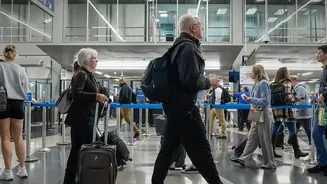
travellers who move with a practiced efficiency. They typically carry minimal luggage and are focused on getting from Point A to Point B as quickly as possible. The passenger load, while high, is distributed across numerous services scheduled specifically to handle this rush. Outside of these peak hours, from late morning to early afternoon, train services often see a significant dip in passenger numbers, offering a much quieter travel experience.
The Weekend Surge of Leisure and Family Travel
Weekends tell a completely different story. The passenger profile shifts dramatically from solo commuters to families and groups travelling for leisure, social events, or visiting relatives. This demographic change has a cascading effect on congestion. Leisure travellers tend to carry more luggage, which takes up significant space and slows down the process of boarding and alighting. Their travel times are also more concentrated, with large numbers of people aiming to depart on Friday evenings or Saturday mornings and return on Sunday afternoons, creating intense periods of congestion that can last for hours.
Scheduled Maintenance and 'Mega Blocks'
A crucial factor that many travellers overlook is the railway's maintenance schedule. To minimise disruption to the nation's economic activity, Indian Railways often schedules major track repairs, signal upgrades, and other essential engineering work during the weekend, particularly on Sundays. These 'mega blocks' can lead to the cancellation, diversion, or reduced frequency of trains on certain routes. This reduction in available services forces more passengers onto the fewer trains that are running, leading to significant overcrowding on affected lines, even if the overall number of travellers is not much higher than a weekday.
Demand Outstripping Supply
At its core, the Indian Railways network is grappling with a fundamental capacity issue. Many of the country's most popular routes are operating at over 100% capacity, meaning the demand for travel far exceeds the number of available seats and the ability of the tracks to handle more trains. While the number of passenger and freight trains has increased significantly over the years, the expansion of the track network has not kept pace. This underlying strain is felt most acutely during periods of peak demand, such as weekends and holiday seasons, when the system is pushed to its absolute limit. The sheer volume of people trying to travel—for work, education, or family—means that getting a ticket can feel like winning a lottery, and coaches are often full regardless of the day.
Festivals and Holidays Add to the Crush
The distinction between weekday and weekend travel is further amplified during festival seasons and long holiday weekends. During periods like Diwali, Holi, or summer and winter vacations, there is a mass movement of people returning to their hometowns. This turns regular weekend congestion into an overwhelming crush. Indian Railways runs thousands of special train services to manage this seasonal rush, but the demand is so immense that nearly every train, regardless of its scheduled time or day of the week, becomes intensely crowded.