








The Tale of Two Cylinders
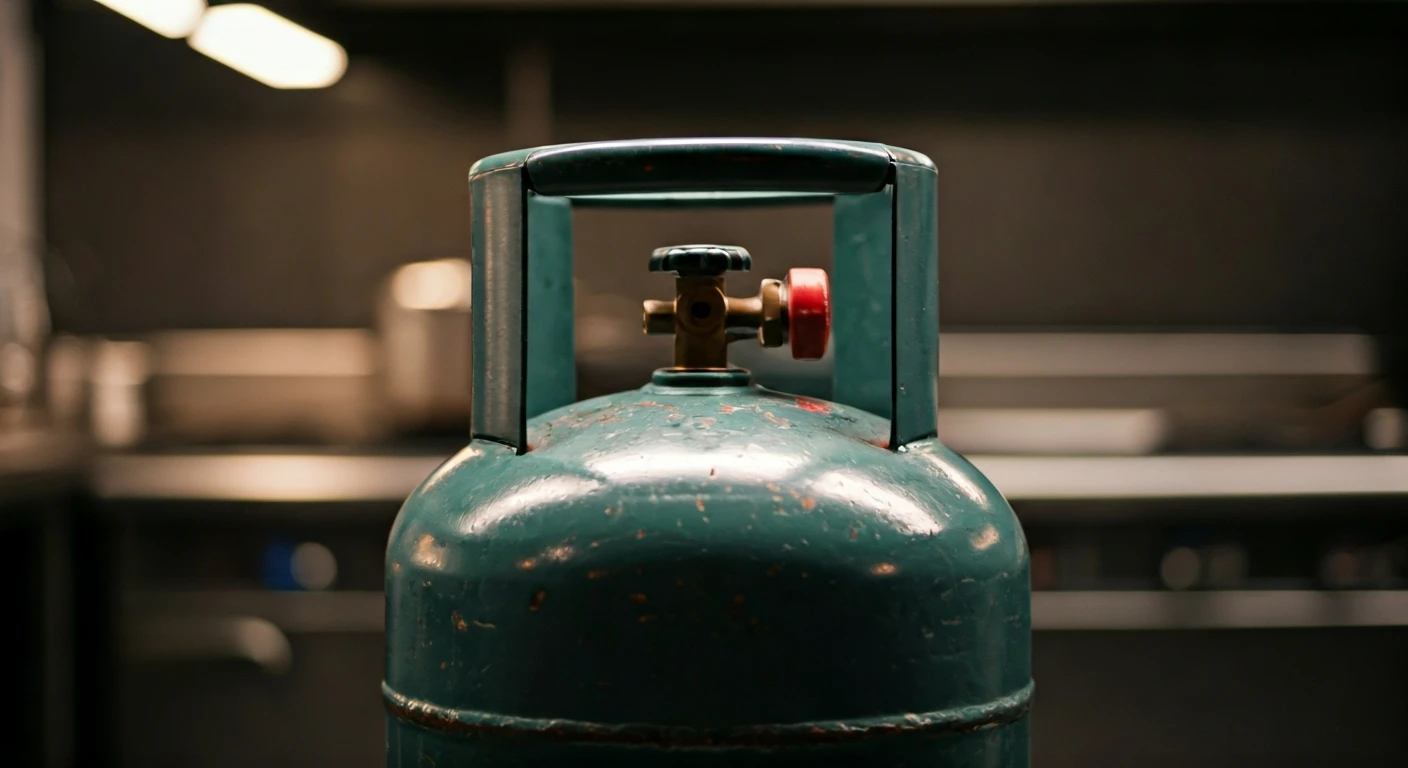
In India, not all LPG cylinders are created equal. There's a fundamental split between domestic and commercial cylinders, and this is where the story begins. The red cylinder delivered to homes (typically 14.2 kg) is for domestic use and its price is often
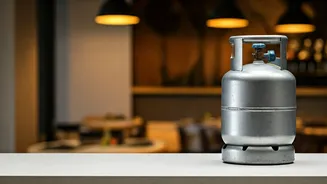
insulated from sharp market volatility through government subsidies or price controls. This is a policy choice to protect household budgets. In contrast, the larger, often blue, 19 kg cylinders are designated for commercial use in places like restaurants, hotels, and canteens. These are priced very differently. They are not subsidized and their rates are directly linked to international market prices, which are revised monthly. This means while a household might pay a relatively stable price for their cooking gas, a restaurant owner faces a much more volatile and significantly higher cost for the exact same essential fuel.
A Volatile Market
The price of commercial LPG is a rollercoaster. This year has seen dramatic swings, largely influenced by global events. Geopolitical tensions in the Middle East, a critical source for around 60% of India's LPG imports, have caused significant supply disruptions and price shocks. For instance, sharp price hikes were seen in the months leading up to June 2026, with the cost of a single 19 kg cylinder jumping by hundreds of rupees in a short period. These increases are passed on by oil marketing companies to balance their books, especially when they are holding domestic prices steady. While July brought a welcome price cut of around Rs 183 per cylinder, providing some relief, this came after months of steep increases that pushed prices well over Rs 3,000 in major cities. This volatility makes it incredibly difficult for food businesses to plan their costs.
The Restaurant's Dilemma
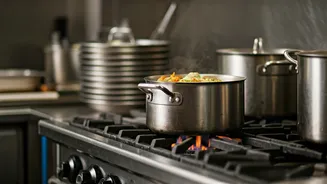
For a restaurant, fuel is a significant operational cost, often accounting for 5-10% of total input expenses. When the price of a commercial cylinder surges, it squeezes already thin profit margins. Restaurant owners face a difficult choice: absorb the cost and risk losses, or pass it on to customers and risk a drop in demand. Many initially try to hold off on menu revisions, sometimes running their establishments at a loss. Some resort to other measures, like temporarily removing gas-intensive items like rotis or dosas from the menu or exploring alternatives like induction cooktops or piped natural gas (PNG), though these have their own challenges and upfront costs. The persistent high prices and supply issues have been described by industry bodies as a "severe blow" to a sector still finding its feet.
From the Kitchen to Your Bill
Ultimately, if high input costs persist, they inevitably find their way to the consumer's bill. After absorbing costs for as long as they can, many restaurants, from small dhabas to large chains, are left with no choice but to hike their menu prices. Industry experts have warned that sustained high LPG prices could lead to menu price increases of 10-15%. This isn't just about the main course; the price of everything from a simple cup of tea at a street stall to corporate canteen meals is affected. The impact cascades through the entire food supply chain, as even suppliers of ingredients like paneer, who may use gas in their production, could raise their prices. So, the next time you see a slight increase in the cost of your meal, remember that it might not just be the onions, but the invisible cost of the gas used to cook it.