
The Untapped Flavour in Stems
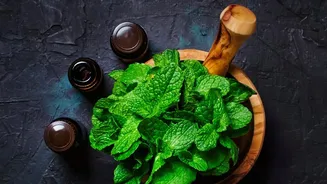
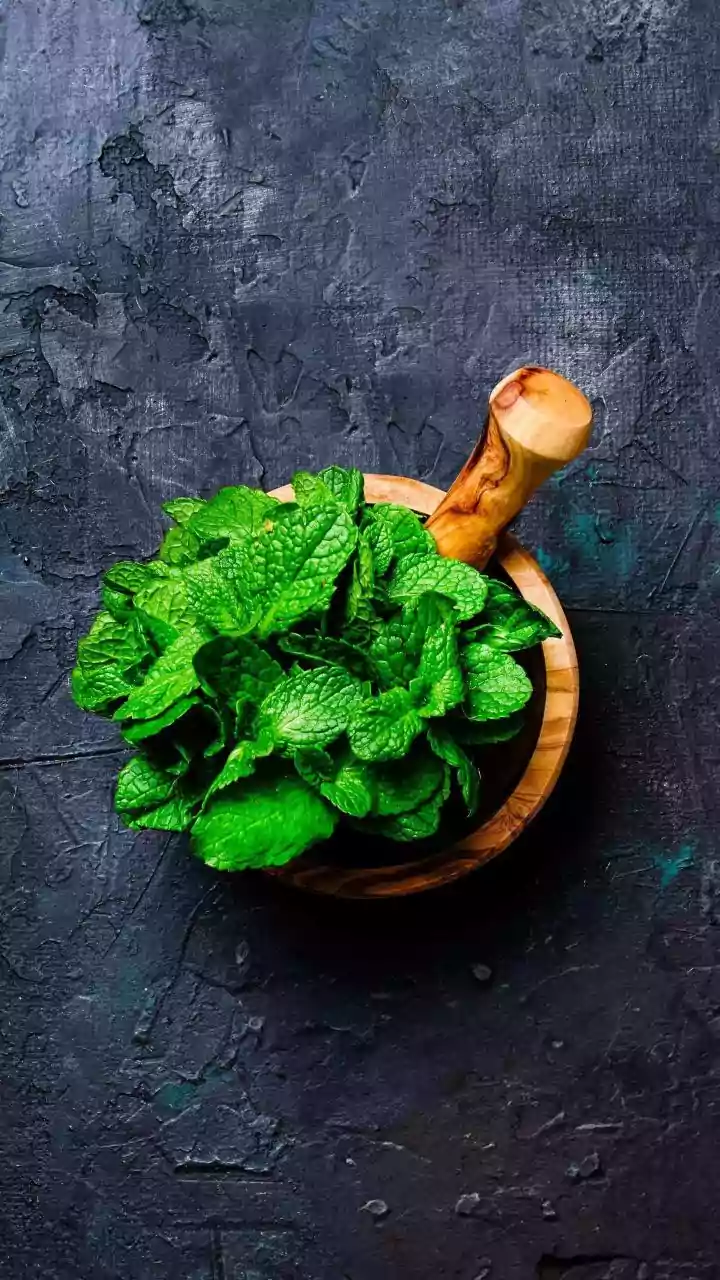
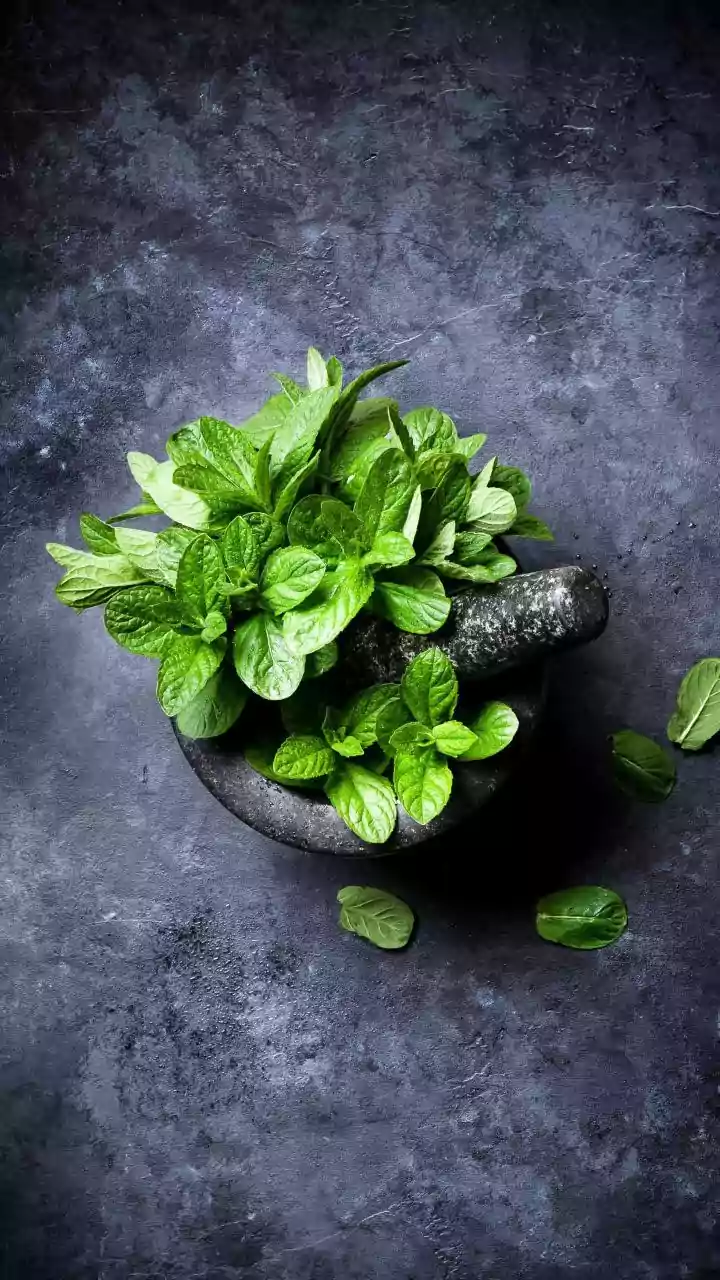
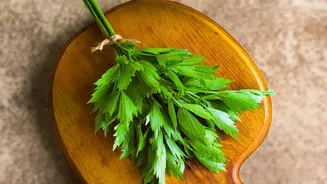
For too long, the leafy tops of herbs like coriander and mint have received all the attention, while their sturdy stems are often discarded without a second thought. This is a missed opportunity for any home cook. These stems are loaded with the same
essential oils and aromatic compounds as the leaves, sometimes in an even more concentrated form. By tossing them out, we are throwing away a significant amount of flavour. Utilising the entire plant is a cornerstone of zero-waste cooking, a philosophy that is not only good for the environment but also for your wallet and your palate. Turning these leftover stems into infused oils is a simple, effective way to capture their essence and create a new pantry staple from something that would otherwise end up in the bin. The process is surprisingly easy and the results are impressively delicious, giving you a professional-quality finishing oil to drizzle over countless dishes.
A Quick Guide to Infusion
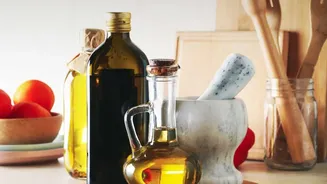
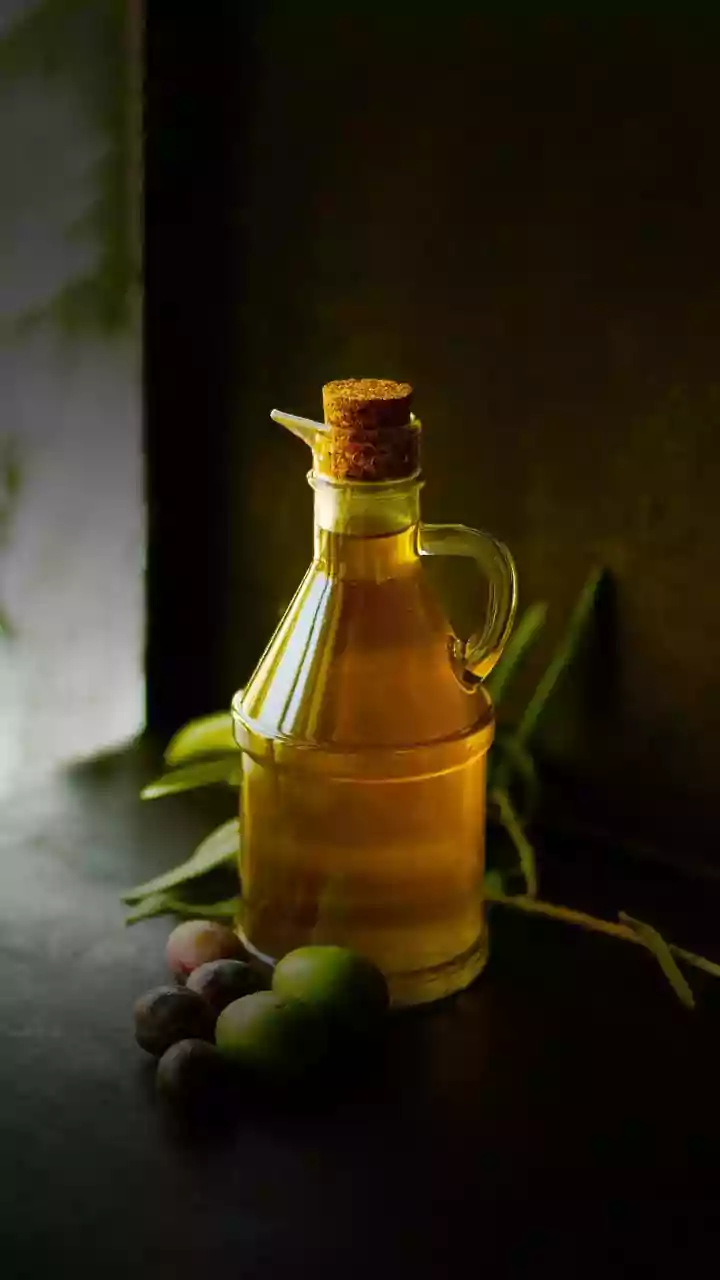
There are two primary ways to infuse oils: a slow, cold infusion or a quicker hot infusion. While cold infusions can be great, the hot-infusion method is generally faster and recommended for fresh herbs as it helps manage moisture content. The key to a vibrant and safe herb oil is a technique called blanching. This involves briefly plunging the herb stems into boiling salted water for just 10-15 seconds until they turn a brilliant green, and then immediately transferring them to an ice bath to stop the cooking process. This not only preserves the bright colour but also cleans the herbs. After blanching, the most critical step is to dry the stems completely. Moisture is the enemy of infused oils, as it can create an environment for bacteria to grow. Pat them thoroughly with a clean tea towel to remove every last drop of water before proceeding. For the oil itself, choose a good quality neutral oil like sunflower or a light olive oil, which will allow the pure flavour of the herbs to shine through.
Step-by-Step to Your Stem Oil
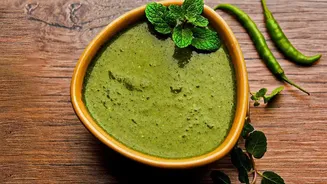
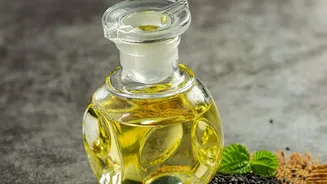
Ready to turn trash into treasure? Here is the basic method. First, gather about two cups of lightly packed coriander or mint stems. Bring a pot of salted water to a boil. Prepare a large bowl of ice water on the side. Blanch the stems in the boiling water for 10-15 seconds, then immediately use a slotted spoon to move them into the ice bath for a few minutes to cool completely. Once cooled, remove the stems and dry them meticulously. Transfer the dry stems to a blender with about half a cup of your chosen oil. Blend on high speed until the mixture is as smooth as possible. If it's too thick to blend easily, add a little more oil. Next, line a fine-mesh sieve with a few layers of cheesecloth or a coffee filter and place it over a clean bowl or jar. Pour the blended herb mixture into the sieve and let it drip through naturally for a few hours. It's important not to press or squeeze the pulp, as this can make the final oil cloudy. Once it has finished dripping, you'll be left with a beautiful, clear, and intensely flavoured oil.
Safe Storage Is Essential
Homemade infused oils with fresh ingredients require careful handling to prevent the growth of harmful bacteria, specifically Clostridium botulinum, which can cause botulism. This bacterium thrives in low-oxygen, low-acid, and moisture-rich environments, which can be created when fresh herbs are submerged in oil. Because our method involves blanching and thoroughly drying the herbs, the risk is reduced, but not eliminated. Therefore, your finished coriander and mint stem oils must be stored in a sterilised, airtight bottle in the refrigerator. Do not store them at room temperature. In the fridge, the oil will keep well for up to a week, and sometimes a little longer. Keep an eye on it for any signs of spoilage. If you notice any cloudiness, bubbling, or off-smells, discard it immediately. Following these storage rules ensures you can enjoy your delicious creations safely.
How to Use Your Creation
The best part of this process is using your unique, homemade oils. The uses are practically endless. Drizzle your bright green coriander oil over a finished dal, chana masala, or lentil soup for a fresh, aromatic finish. It's fantastic swirled into yogurt to make a quick dip, or used as the base for a zesty marinade for chicken or fish. Try it over roasted vegetables, tacos, or even your morning eggs. The mint oil is equally versatile. Use it to create a vibrant salad dressing, perfect for a simple cucumber and onion salad. Drizzle it over grilled lamb or roasted potatoes for a refreshing counterpoint to the richness. A few drops over a fresh fruit salad or even a scoop of vanilla ice cream can be a surprising and delightful twist. These oils are best used as a finishing touch rather than for high-heat cooking to preserve their delicate flavours.