






An Orchard of Knowledge for Growers
More than just a marketplace, a mango festival is a vibrant open-air classroom for farmers. These events provide a crucial platform for growers from different regions to connect, exchange knowledge, and learn about the latest advancements in agriculture.
Expert farmers, horticulturists, and representatives from agricultural universities share valuable insights on everything from cultivation and harvesting to post-harvest processing techniques. Seminars and workshops often focus on sustainable farming practices, pest control, and adapting to climate challenges. This exchange of information empowers growers to improve crop quality and yield. Furthermore, festivals often feature modern pack houses and demonstrations that educate farmers on quality standards and export requirements, helping them access global markets and increase their income.
A Sweet Draw for Tourism
Mango festivals have carved out a unique and appealing niche in India's tourism landscape, blending culture, food, and agriculture. Events like the International Mango Festival in Delhi, which has been running since 1987, attract thousands of domestic and international visitors. These festivals are a sensory delight, offering visitors the chance to taste hundreds of varieties of mangoes, many of which are rare and not found in commercial markets. The experience goes beyond tasting; cultural programmes, music, dance, mango-eating competitions, and cooking demonstrations by renowned chefs add to the festive atmosphere. This creates a powerful form of agritourism that not only promotes the fruit but also draws visitors to the regions, offering them experiences like orchard walks and farm stays.
Fueling the Local Food Economy
The economic impact of mango festivals ripples through entire communities. For farmers, these events offer a platform for direct-to-consumer sales, eliminating intermediaries and allowing them to secure better prices and higher profits. This direct interaction also provides them with immediate feedback from consumers. The benefits extend well beyond the orchard gate. The influx of tourists boosts local businesses, including hotels, transport services, and restaurants. Festivals also create opportunities for local artisans and food processors who sell mango-based products like jams, pickles, juices, and chutneys, showcasing culinary innovation. This celebration of the mango becomes a significant driver of the local economy, contributing to the livelihoods of numerous farmers and workers.
Preserving India's Mango Heritage
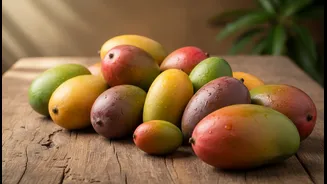
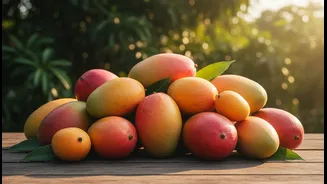
With over a thousand varieties grown across the country, India has a rich mango biodiversity that is constantly at risk. Mango festivals play a vital role in the preservation of this heritage. By showcasing a wide array of traditional, heirloom, and hybrid varieties, they generate awareness and demand for mangoes beyond the few commercially popular types. When visitors discover the unique flavours of a lesser-known local variety like Gulabkhas or the Teheri mango, it creates a market for it. This encourages farmers to continue cultivating these rare types, preventing them from disappearing. The festivals act as a living library of India's mango diversity, ensuring that this delicious heritage is passed down to future generations.