




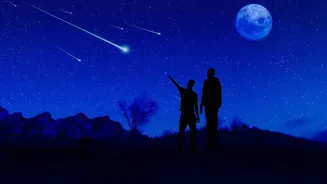
What are the Orionids?
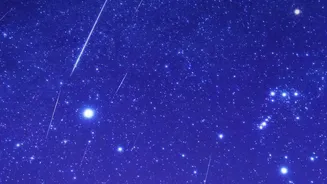
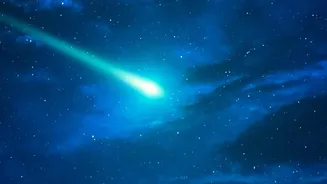
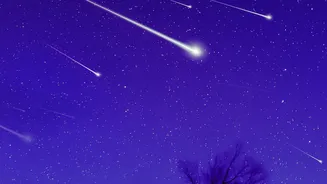
The Orionid meteor shower is an annual event that occurs when Earth passes through the dusty debris trail left behind by Halley's Comet. These tiny particles, often no bigger than a grain of sand, burn up upon entering our atmosphere at incredible speeds—about
66 kilometres per second—creating the brilliant streaks of light we call meteors or 'shooting stars'. They are known for being particularly fast and bright, sometimes leaving behind glowing 'trains' that can linger for a few seconds. The shower gets its name because the meteors appear to radiate from a point within the famous constellation Orion, the Hunter.
Mark Your Calendar: When to Watch in 2026
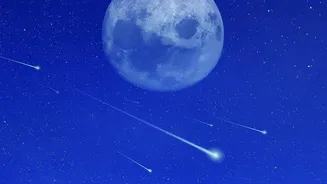
The Orionids are active from early October to early November, but the best time to watch is during the peak. In 2026, the peak occurs on the night of October 21-22. The most spectacular views will be in the hours after midnight and before dawn. This year, there is a challenge: a bright, waxing gibbous moon will be in the sky for the first part of the night. However, the moon sets around 3 a.m. local time, opening up a window of dark skies until twilight begins. For your best chance, plan to watch between moonset and dawn on the morning of October 22.
The Quest for Dark Skies
The single most important factor for a great meteor shower experience is getting away from city lights. A dark sky will allow you to see the fainter meteors, dramatically increasing the number you can count. An urban observer might see only a few meteors per hour, while someone in a dark, rural location could see 15 to 20 per hour during the peak. Plan a trip 50-80 kilometres away from major cities if possible. Use online light pollution maps to find a suitable dark-sky spot. Once you arrive, turn off all lights, including your phone screen, and give your eyes at least 20-30 minutes to fully adapt to the darkness. This process, called dark adaptation, is crucial for seeing the maximum number of stars.
Check the Weather, Then Get Comfortable
Your perfect dark-sky location will be useless if it's covered in clouds. A clear forecast is non-negotiable, so check it right up until you leave. Since meteor watching involves a lot of waiting, comfort is key. Instead of craning your neck, lie back and look up. Bring a reclining lawn chair, a sleeping bag, or a thick blanket to lie on. October nights can get chilly, even in India, so dress in warm layers and consider bringing a flask of a hot beverage. The goal is to make the wait as pleasant as possible so you can relax and enjoy the show.
Patience and Where to Look
Meteor showers don't perform on a strict schedule. You may see a few meteors in quick succession, followed by a lull of several minutes. This is where patience comes in. Don't give up after 15 minutes. Plan to spend at least an hour watching the sky. While the meteors radiate from Orion, you don't need to stare directly at the constellation. In fact, meteors seen farther away from the radiant point will appear longer and more spectacular. The best strategy is to lie flat on your back and look straight up, taking in as much of the sky as possible. Your eyes are all you need.
Why Your Eyes Are the Best Tool
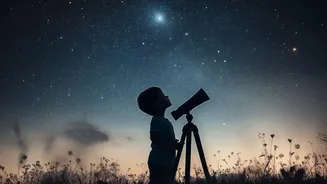
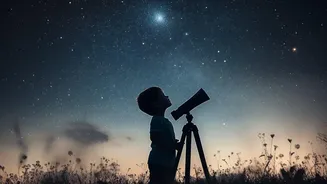
The headline is true: a telescope is not only unnecessary, it's actually unhelpful for watching a meteor shower. Telescopes and even binoculars have a very narrow field of view, designed for looking at stationary objects like planets or the moon. Meteors, on the other hand, are fleeting and can appear anywhere in the vast expanse of the sky. Using a telescope is like trying to catch a fly with a pair of tweezers. Your unaided eyes, once dark-adapted, provide the widest possible view, ensuring you don't miss a single streak of light.